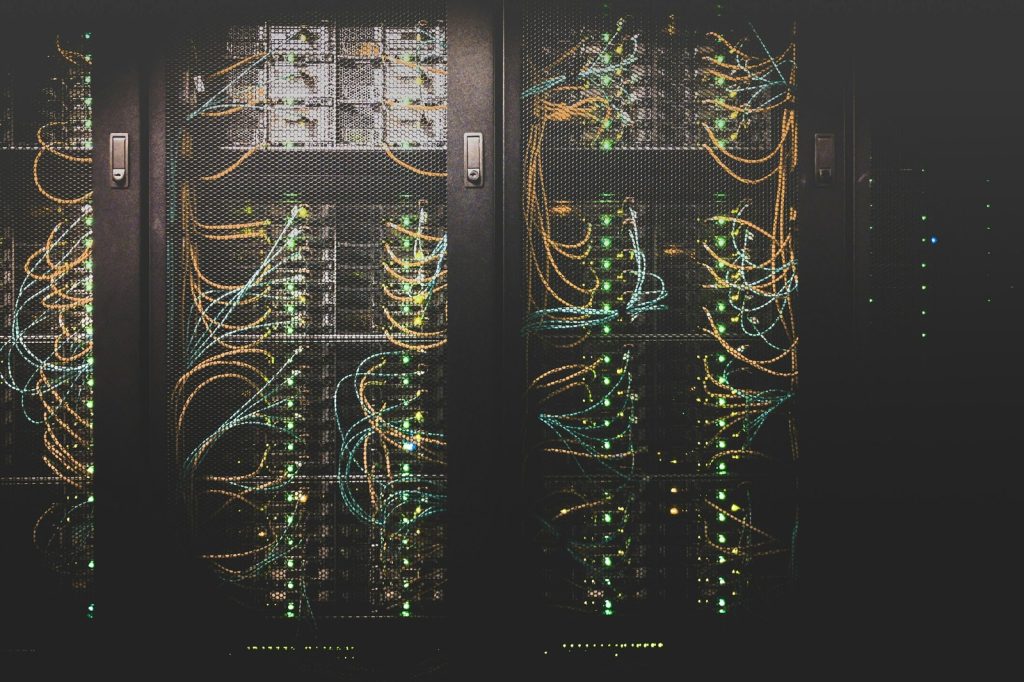
Kampala, July 7 — A power failure at a data center on July 7, 2023, knocked out services for MTN Uganda customers, exposing vulnerabilities in the digital infrastructure that millions across the region depend on daily. The outage, caused by a failure at a data center that the company confirmed, set off a chain reaction that disrupted voice calls, data traffic, and mobile money transactions. Data centers are physical facilities housing racks of servers that process and store information; every phone call, text message, and mobile money transfer passes through these machines.
When the power failed at the facility, the servers stopped working, and calls could not connect, messages could not be sent, and mobile wallets could not be accessed. The incident highlights fragility in network infrastructure that is often taken for granted by users.
The Mechanics of Data Center Operations and Redundancy
For many people, a data center remains an invisible part of the telecommunications network. It is a room, building, or facility filled with servers that manage the flow of digital information.
Data centers are designed with redundant power systems as a standard safeguard: backup generators and batteries are meant to kick in when the main supply fails, keeping servers running and services online. The MTN Uganda incident, however, showed that even these layered protections are not foolproof. When the backup systems did not hold, services went dark.
The company has not specified whether the failure originated from grid instability or equipment malfunction, but both remain persistent threats across the region. Telecommunications companies invest heavily in backup power systems, but no system is immune to failure.
The standard safeguards — generators, batteries, and redundant power feeds — are specifically designed to prevent this kind of disruption. When those safeguards fail, the consequences cascade outward, affecting communities that rely on these services for daily communication and commerce.
From ENIAC to Hyperscale: The Evolution of Data Centers
The concept of a data center dates to the 1940s, when the U.S. military operated the Electrical Numerical Integrator and Computer, or ENIAC, one of the earliest electronic computers. Over decades, data centers evolved from dedicated rooms inside large organizations to sprawling facilities that underpin nearly every online service.
Today, data centers come in several models. Enterprise data centers are owned and operated by a single company on its premises. Cloud providers such as Amazon Web Services, Google, IBM, and Microsoft operate massive hyperscale data centers, each containing a very large number of servers and miles of high-speed networking equipment.
Colocation data centers allow multiple companies to rent space in a shared facility, while edge data centers are smaller, decentralized sites placed closer to end users to reduce latency. This variety reflects how deeply data centers have woven into modern life.
The outage on July 7 was not just a technical glitch; it was a disruption to the daily lives of people who depend on these services for communication and financial transactions.
Critical Dependencies and the Weight of Physical Infrastructure
The sheer scale of the digital economy means data centers consume a large and growing amount of electricity. That energy demand has raised concerns about grid strain and environmental impact. At the same time, the reliability of these facilities is critical: when a data center loses power, the services that rely on it can fail instantly.
A failure in one facility can ripple across a region, cutting off communication and commerce. The MTN Uganda outage stands as a reminder that the digital economy rests on physical infrastructure that must be maintained and protected.
Power failures, whether from grid instability or equipment malfunction, remain a persistent threat across the region. Telecommunications companies invest heavily in backup power systems, but the MTN incident demonstrates that no system is immune to failure. The infrastructure that powers the digital economy is only as strong as its weakest link, and when that link breaks, communities across the region feel it.
Understanding the physical infrastructure behind the digital world helps explain why such outages occur and why maintaining that infrastructure remains a persistent challenge.