
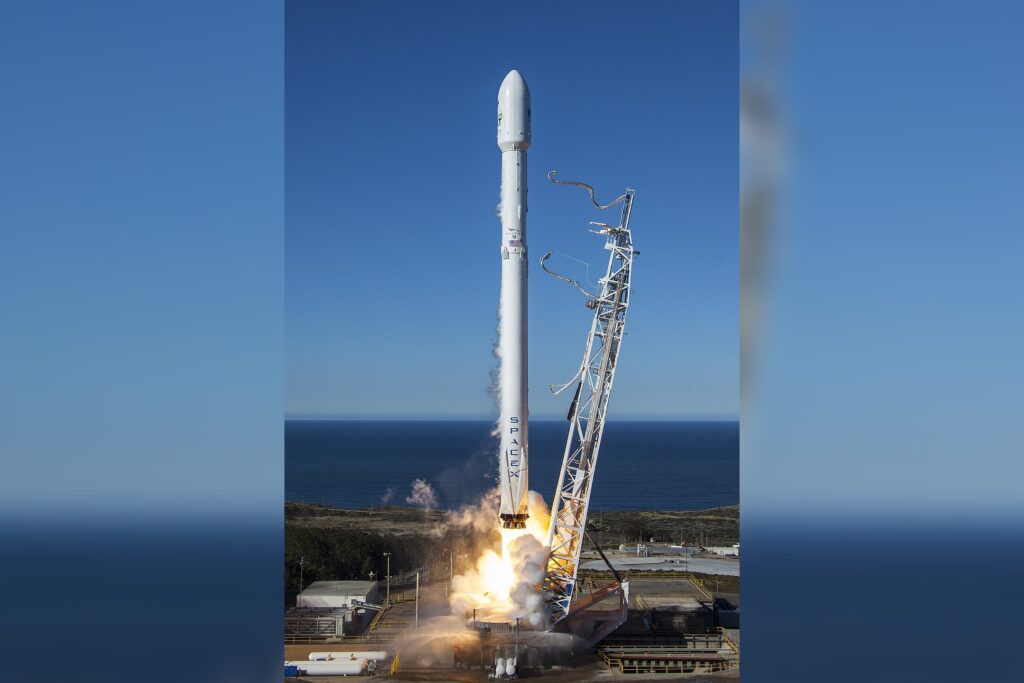
New York, October 11 The bottom line: Verizon Communications Inc. suffered its worst trading day since 2002 after SpaceX announced plans for a national satellite broadband network. By the numbers, Verizon’s stock dropped approximately 7% following the announcement made on October 11, 2026. Investors will note that the sell-off marked the sharpest decline in Verizon’s share price in over two decades, triggered by competitive pressure from a new entrant in the broadband market.
SpaceX, the private American aerospace manufacturer and space transportation company, revealed its intention to build a satellite-based internet network designed to deliver high-speed connectivity to rural and underserved regions across the United States. This move positions SpaceX as a direct challenger to incumbent providers like Verizon, which have long relied on terrestrial infrastructure to serve those same markets.
The announcement caused an immediate ripple effect through the telecommunications sector, with Verizon bearing the brunt of the negative sentiment among shareholders. While the full financial impact on Verizon remains uncertain, the 7% stock decline underscores investor concern over potential erosion of market share and pricing power in the face of satellite-based alternatives. The figure that matters moving forward is how quickly SpaceX can deploy its network and begin capturing customers currently served by traditional telecom firms.
Going forward, analysts will monitor regulatory filings, deployment timelines, and early subscriber adoption rates for the SpaceX broadband service as key indicators of its competitive threat to established players like Verizon. The emergence of low-Earth orbit satellite constellations has introduced a new competitive dynamic into the broadband market, promising lower latency and broader coverage than traditional geostationary satellite services.
Unlike earlier generations of satellite internet, which suffered from high latency and limited capacity, modern LEO networks operate at altitudes of a few hundred kilometers, enabling performance characteristics more comparable to terrestrial fiber and fixed wireless offerings. This technological shift has attracted significant capital investment and regulatory attention as companies race to deploy global constellations. Rural and underserved communities in the United States have long faced a persistent digital divide, with incumbent providers often citing unfavorable economics for extending fiber or cable infrastructure to low-density areas.
Federal and state subsidy programs, including the Broadband Equity, Access, and Deployment program, have sought to incentivize build-outs, but progress has been uneven. Satellite broadband has been viewed as a potential complement or alternative for the hardest-to-reach locations, though questions about capacity constraints, affordability, and weather resilience have tempered expectations.
The Federal Communications Commission plays a central role in licensing spectrum and orbital slots for non-geostationary satellite systems, a process that involves coordination with international bodies and terrestrial operators to prevent interference. Licensing conditions typically include deployment milestones and service obligations that can affect the pace at which new entrants reach commercial scale. Spectrum sharing arrangements between satellite and terrestrial networks remain an




