
Residents in a Connecticut town fear a giant-sized data center could strain local resources and raise utility bills.
The Evolution of Data Centers
Data centers are facilities that house electronic equipment to process, store, and transmit digital information. They have evolved from small enterprise rooms to massive hyperscale facilities that can occupy up to 10,000,000 square feet. Hyperscale and colocation centers contained 74% of all computer servers in 2023. These facilities require significant energy to operate, with the largest consuming over 3,000 MW.
Rising Electricity Demand
Global electricity consumption by data centers reached 415 TWh in 2024, roughly 1.5% of total global demand. This consumption is projected to double to 945 TWh by 2030. In the U.S., data centers are expected to account for nearly half of the growth in electricity demand through 2030. The surge is driven by AI and cloud infrastructure expansion, placing new pressure on regional power grids.
Financial Tension Over Grid Upgrades
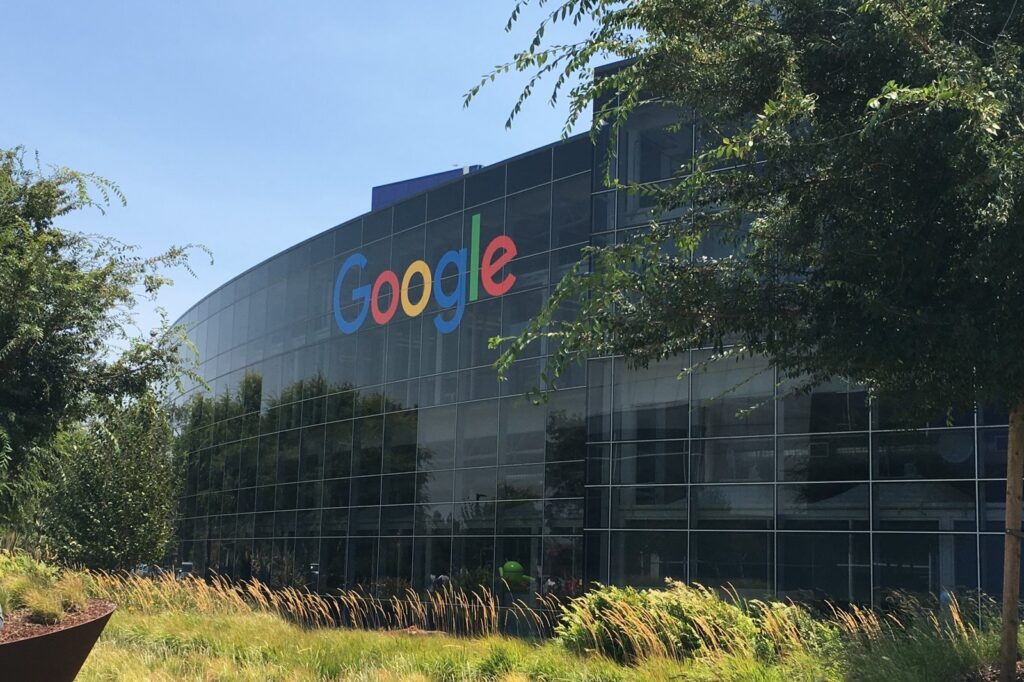
Indiana regulators recently approved a $737.3 million project to power a 390-megawatt Google data center. Critics argue that grid transmission upgrades required for data centers should be paid for by the developers, not existing customers. During the approval process, Ben Inskeep of the Citizens Action Coalition said, “What we’re concerned about is a $74 million set of transmission upgrades that AES Indiana identified that it had to make specifically because this Google data center is being added to the grid”. He added, “We already have high bills here in Indianapolis”.
Regulatory Responses
Oregon Governor Tina Kotek ordered a temporary pause on environmental permits for new data centers until July 2027. The Oregon moratorium aims to allow time for legislative reforms regarding water and air pollution regulations. Kotek directed the Oregon Department of Environmental Quality to pause all air and water pollution permits for new or expanding data centers until July. She also told the agency to stop processing applications from cities and counties seeking to renew or modify wastewater permits to accommodate data centers. The move follows concerns about the immense amount of water and energy these facilities consume.
Water Consumption and Environmental Concerns
Data centers require significant water for cooling systems, raising environmental concerns in regions facing water scarcity. The immense amount of water consumed by hyperscale facilities has prompted regulatory scrutiny, particularly in areas where local ecosystems are already stressed. In Oregon, Governor Tina Kotek cited water usage as a key factor in directing a pause on environmental permits for new or expanding data centers. The moratorium specifically targets air and water pollution permits, reflecting worries about the strain these facilities place on municipal water supplies and wastewater treatment systems.
Oregon Rural Action, a grassroots nonprofit, highlighted that the pause allows time to evaluate recommendations from an advisory committee and consider regulatory reforms for the 2027 legislative session. The group emphasized that without proper oversight, data center development could exacerbate water shortages and pollution risks, especially in eastern Oregon. Concerns extend beyond water to include air quality impacts from backup generators and increased energy demand tied to fossil fuel use during peak periods. These interconnected resource demands have fueled opposition from communities advocating for sustainable growth and environmental protection.
Community Advocacy and Grassroots Organizing
Oregon Rural Action, a grassroots nonprofit, highlighted that the pause allows time to evaluate recommendations from an advisory committee and consider regulatory reforms for the 2027 legislative session. The group emphasized that without proper oversight, data center development could exacerbate water shortages and pollution risks, especially in eastern Oregon. Concerns extend beyond water to include air quality impacts from backup generators and increased energy demand tied to fossil fuel use during peak periods. These interconnected resource demands have fueled opposition from communities advocating for sustainable growth and environmental protection.
State-Level Cost-Sharing Legislation
Indiana’s 2025 state law requires data centers and other large electricity users to cover 80% of costs reasonably assigned to them for grid upgrades. The law also mandates that utility plans must protect existing and future customers from bearing disproportionate costs. The Monrovia Google data center project was the first filed under this new regulation. Regulators approved AES Indiana’s $737.3 million infrastructure plan, noting that while Google would pay for direct connection facilities, transmission upgrades could still be recovered through future retail rates affecting current customers.
Environmental Impact Assessments
Data centers have significant environmental impacts, including high energy consumption and water usage, which have led to increased scrutiny and calls for more comprehensive assessments of their effects on local ecosystems.
According to the International Energy Agency (IEA), the electricity consumption of data centers is projected to double to around 945 TWh by 2030, growing by around 15% per year, which will further exacerbate environmental concerns.
The Oregon Department of Environmental Quality’s pause on air and water pollution permits for new or expanding data centers, as directed by Governor Tina Kotek, aims to provide an opportunity for evaluating recommendations and considering policy and regulatory reforms to mitigate the environmental impacts of data centers.
Data Center Infrastructure Models
Data centers are categorized by their specific operational models. Enterprise facilities host IT infrastructure on-premises, while cloud data centers, including hyperscale facilities, utilize internet connections to provide resources for providers such as Amazon Web Services, Google Cloud Platform, IBM Cloud, and Microsoft Azure. Managed service centers involve third-party managers who lease infrastructure to companies, whereas colocation centers allow businesses to rent space in off-site buildings owned by others. Additionally, edge data centers function as smaller, decentralized units located in closer proximity to end users and devices.
These facilities often house thousands of servers and extensive high-speed data connection equipment. According to the 2024 U.S. Data Center Energy Usage Report by the Lawrence Berkeley National Laboratory, hyperscale and colocation centers contained 74% of all computer servers in 2023. The Energy Independence and Security Act of 2007 defines a data center as any facility primarily containing electronic equipment used to process, store, and transmit digital information, including both free-standing structures and facilities integrated within larger buildings that utilize environmental control equipment.
Sources
- Data center
- Indiana approves AES plan to power Google data center in Monrovia
- Gov. Kotek expands Oregon data center moratorium
Photo: Asoundd (CC BY-SA 4.0)




