
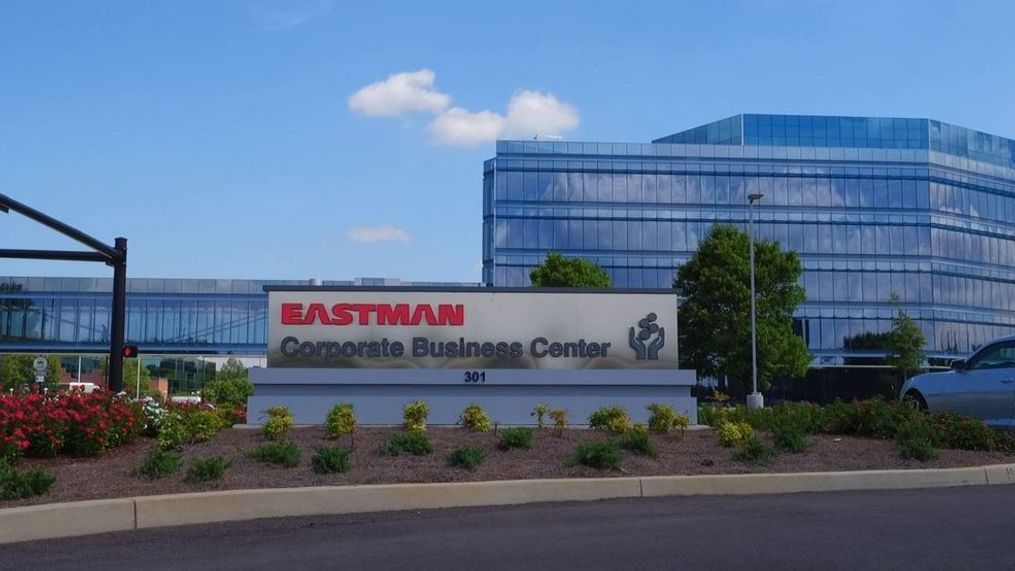
Kingsport, July 7 — In 2023, Eastman Chemical Company opened a $250 million molecular recycling facility in this East Tennessee town, betting that the technology can take on plastic waste streams that conventional methods cannot process. The plant uses chemical recycling to break down hard-to-recycle plastics into their original molecular building blocks, which can then be used to manufacture new plastics with virgin-grade quality.
This approach stands in contrast to traditional mechanical recycling, which grinds plastic into pellets and often degrades the material’s quality with each cycle.
Technology, Promise, and Persistent Questions
The Kingsport facility sits at the center of a global debate over how best to address the roughly 300 million tons of plastic waste the world generates each year, according to the United Nations Environment Programme. Supporters of chemical recycling argue that it can complement mechanical recycling by handling the waste streams that current systems cannot process effectively — items such as multi-layered packaging, colored plastics, and contaminated containers.
Eastman has set a target to recycle more than 250 million pounds of plastic waste annually by 2025, signaling the company’s belief that the technology can scale. Critics, however, point out that the process is energy-intensive and has not yet demonstrated its viability at a commercially meaningful scale. The Kingsport plant, which Eastman has positioned as a demonstration facility, will be closely watched to see whether it can operate efficiently and economically. Industry observers are also tracking similar operations elsewhere, including a chemical recycling pilot plant run by BASF in Ludwigshafen, Germany, and an Agilyx facility in Tigard, Oregon.
The performance of these plants will likely shape the direction of the sector in the years ahead. Whether chemical recycling can move beyond the pilot phase and become a mainstream part of waste management infrastructure remains an open question.
Market Growth and Federal Support
Despite the uncertainties, commercial interest in chemical recycling is building. According to Grand View Research, the global chemical recycling market was valued at $1.2 billion in 2022 and could reach $4.5 billion by 2030. These figures indicate growing confidence among investors and companies, though the sector remains small relative to the overall plastics industry.
On the policy front, the U.S. Department of Energy launched its Plastics Innovation Challenge in 2019, a program that supports research into chemical recycling technologies. Federal backing underscores the strategic importance the government places on finding new ways to manage plastic waste and reduce environmental impact.
Eastman’s Long Roots and Broader Implications
Eastman Chemical Company traces its roots to 1920, when it was founded as a subsidiary of the Kodak film empire. The company was spun off as an independent entity in 1994, but its headquarters have always remained in Kingsport, Tennessee. Over the decades, Eastman has grown into a major global specialty materials firm, supplying chemicals, fibers, and plastics used in adhesives, coatings, cigarette filters, and countless other products.
Its product lines include copolyesters for packaging, cellulose acetate fibers for textiles, and the cyanoacrylate compounds that became known as super glue. The company operates four main business segments: Additives & Functional Products, Advanced Materials, Chemical Intermediates, and Fibers.
These divisions serve industries such as transportation, building and construction, health care, and consumer goods. This breadth means Eastman’s decisions about materials production and recycling can ripple across many sectors of the economy. The company’s entry into chemical recycling matters because it addresses a growing crisis in plastic waste.
Conventional mechanical recycling, while established, has limits: it often degrades plastic quality, so materials cannot be reused indefinitely. Chemical recycling, by contrast, breaks plastics down to the molecular level, allowing the creation of new plastics with purity equivalent to virgin material.
Proponents say this technology can handle the hard-to-recycle plastics that current systems cannot process. Critics counter that the method remains energy intensive and has yet to prove its viability at scale. For readers, the outcome of Eastman’s effort in Kingsport — along with the work at the BASF and Agilyx facilities — could help determine whether the world can meaningfully reduce the millions of tons of plastic waste generated each year.




