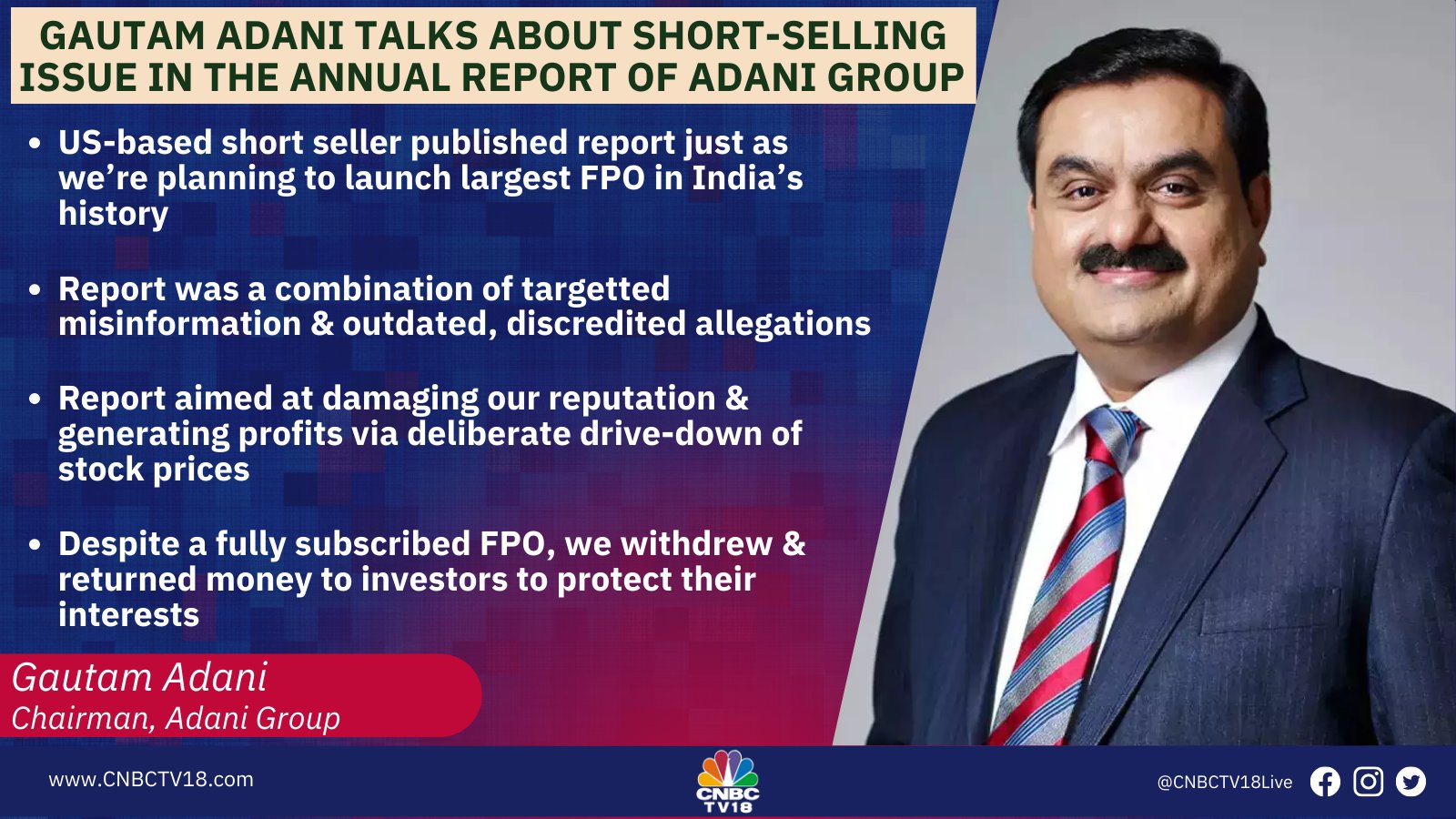
As of January 31, 2023, the Adani Group, an Indian multinational conglomerate, continues to be a subject of interest due to its diverse business portfolio and recent controversies. Founded by Gautam Adani in 1988 as a commodity trading business, the Group has expanded its operations to include sea and airport management, electricity generation and transmission, mining, natural gas, food, weapons, and infrastructure, with a significant focus on metal commodity exchange.
The Adani Group’s revenue is largely derived from coal-related businesses, with more than 60% of its revenue coming from these operations. This has led to the company being closely associated with the ruling Bharatiya Janata Party. As of 2022, the Adani Group was the largest Indian conglomerate, with a market capitalization of $206 billion, surpassing the Tata Group. However, the company’s market value took a significant hit after allegations of fraud and market manipulation were raised by short-seller firm Hindenburg Research, resulting in a loss of over $104 billion in value.
The allegations of fraud and market manipulation have led to increased scrutiny of the Adani Group’s business practices. The company has also been accused of stock manipulation and accounting irregularities, which has raised concerns among investors and regulatory bodies. Furthermore, the Adani Group has been involved in controversies related to its export of military drones to Israel, which has been criticized by some as a violation of human rights. The company’s close ties to the ruling party have also led to accusations of political corruption and cronyism.
Despite these controversies, the Adani Group remains a significant player in the Indian economy. The company’s diverse business portfolio and large market capitalization make it an important contributor to the country’s economic growth. However, the allegations of fraud and market manipulation have raised concerns about the company’s governance and business practices. Regulatory bodies, such as the Securities and Exchange Board of India (SEBI), are likely to be closely watching the company’s activities to ensure compliance with regulatory requirements.
The Adani Group’s close association with the ruling Bharatiya Janata Party has also raised concerns about the company’s influence on government policies. The company’s business interests are closely aligned with the government’s economic development goals, which has led to accusations of favoritism and cronyism. However, it is also possible that the company’s close ties to the government have allowed it to play a key role in the country’s economic development, particularly in the areas of infrastructure and energy.
Regulatory Response
The regulatory response to the allegations against the Adani Group will be closely watched in the coming months. The SEBI has been tasked with investigating the company’s business practices, and any findings of wrongdoing could have significant implications for the company’s market value and reputation. The Indian government has also been under pressure to respond to the allegations, and any actions taken by the government could have a significant impact on the company’s operations and future prospects.
As the situation continues to unfold, it will be important to watch for any developments in the regulatory investigation and the company’s response to the allegations. The Adani Group’s future prospects will depend on its ability to address the concerns raised by the allegations and to demonstrate compliance with regulatory requirements. The company’s market value and reputation will likely be closely tied to the outcome of the investigation, and any findings of wrongdoing could have significant implications for the company’s business operations and future growth prospects.