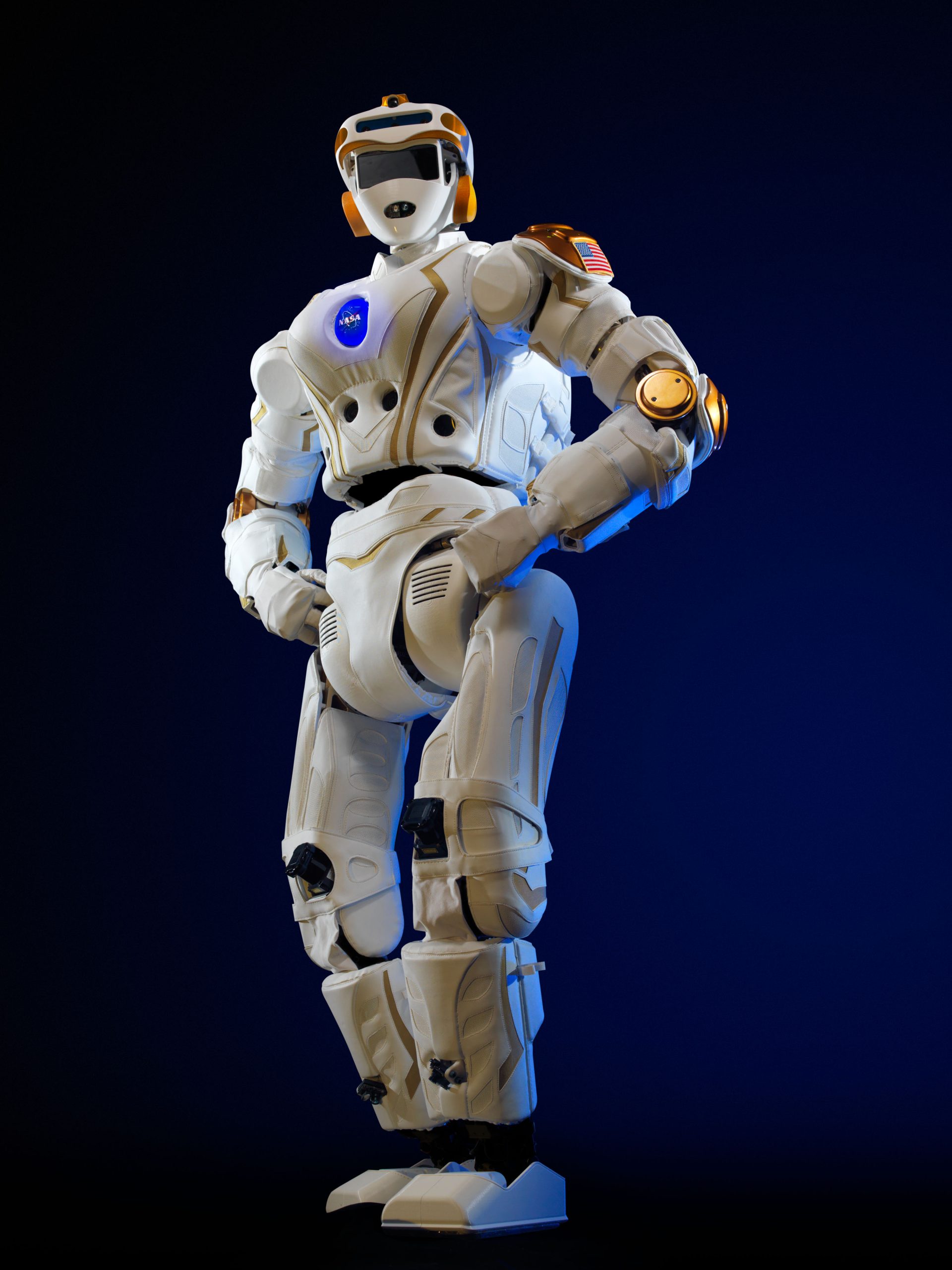
A startling achievement in the field of artificial intelligence was witnessed on April 19, 2026, when a humanoid robot developed by the Chinese company Honor completed a half marathon in Beijing. The robot finished the race in an astonishing 50 minutes and 26 seconds, surpassing the standing human world record. This feat has significant implications for the development of artificial intelligence and robotics, and raises questions about the potential applications and limitations of such technology.
The humanoid robot, designed to resemble the human body in shape, was able to navigate the course with ease, leveraging its advanced design and capabilities to outperform human runners. The robot’s anthropomorphic design, which includes a torso, head, two arms, and two legs, allows it to interact with human tools and environments, and work alongside humans. This design philosophy is a key aspect of humanoid robotics, and has been explored by researchers and developers around the world. The fact that a Chinese company has been able to create a robot that can outperform humans in a physically demanding task like a half marathon is a notable achievement, and reflects the significant investments being made in AI and robotics research in China.
While the achievement is undoubtedly impressive, it also raises concerns about the potential consequences of creating machines that are capable of surpassing human physical abilities. As robots and AI systems become increasingly advanced, there are worries about the potential impact on employment, and the need for humans to adapt to a changing job market. Additionally, there are questions about the potential military applications of such technology, and the need for international cooperation to ensure that these technologies are developed and used responsibly. The US government, under the leadership of President Biden, has been actively engaged in efforts to promote the development of AI and robotics, while also addressing the potential risks and challenges associated with these technologies.
The development of humanoid robots like the one created by Honor is a complex and challenging task, requiring significant advances in areas like machine learning, computer vision, and robotics. The fact that a Chinese company has been able to achieve this milestone reflects the significant progress being made in these areas, and the growing competitiveness of Chinese tech companies on the global stage. However, it also highlights the need for continued investment in AI and robotics research in the US and other Western countries, in order to stay ahead of the curve and ensure that these technologies are developed and used in ways that align with Western values and interests.
As the development of AI and robotics continues to accelerate, it is likely that we will see more impressive achievements like the one witnessed on April 19, 2026. The potential applications of these technologies are vast, ranging from healthcare and education to transportation and manufacturing. However, it is also important to acknowledge the potential risks and challenges associated with these technologies, and to work towards ensuring that they are developed and used in ways that benefit society as a whole. The US and other Western countries have a critical role to play in shaping the future of AI and robotics, and in promoting the development of these technologies in ways that align with our values and interests.
Looking to the future, it is clear that the development of AI and robotics will continue to be a major driver of technological progress and innovation. As robots and AI systems become increasingly advanced, we can expect to see significant improvements in areas like productivity, efficiency, and decision-making. However, we must also be mindful of the potential risks and challenges associated with these technologies, and work towards ensuring that they are developed and used in ways that benefit humanity as a whole. With continued investment in AI and robotics research, and a commitment to promoting the development of these technologies in ways that align with Western values and interests, we can unlock the full potential of these technologies and create a brighter future for generations to come.