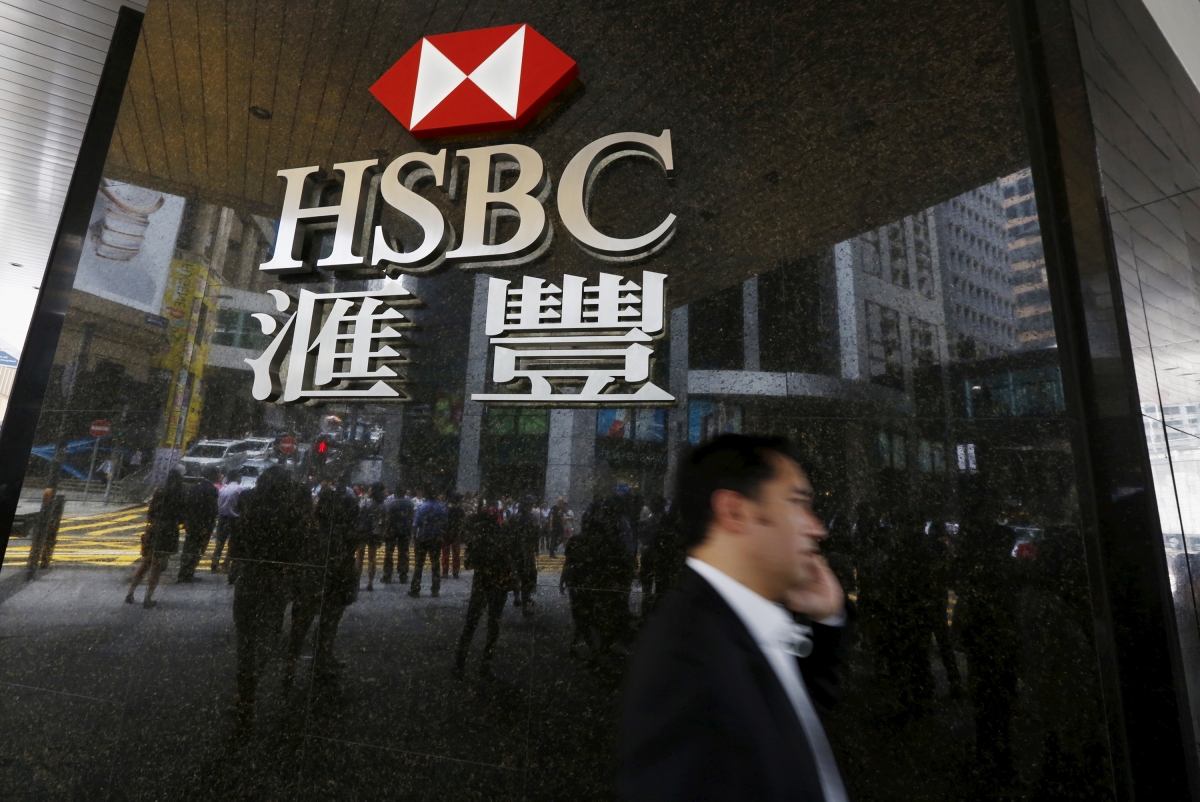
It’s been about 10 years since HSBC was caught up in the foreign-exchange manipulation cases, a scandal that would go on to reveal widespread collusion among banks to manipulate exchange rates for their own financial gain. According to Wikipedia, the forex scandal, also known as the forex probe, involved the revelation and subsequent investigation that banks had been colluding for at least a decade to rig the foreign exchange benchmark WM/Reuters rates. This behavior, which occurred daily in the spot foreign-exchange market, was first reported by Bloomberg News in June 2013, prompting market regulators in Asia, Switzerland, the United Kingdom, and the United States to launch investigations into the $4.7 trillion per day foreign exchange market.
HSBC, along with several other major banks, was found to have been involved in the scandal, with currency traders admitting to front-running client orders and rigging the foreign exchange benchmark rates by colluding with counterparts and pushing through trades before and during the 60-second windows when the benchmark rates are set. As a result of the investigations, HSBC faced significant penalties, including more than $600 million in U.S. DOJ and CFTC penalties. While the exact terms of the deferred-prosecution and monitorship agreements are not specified in the Wikipedia source, it is clear that HSBC was required to take significant steps to remediate its practices and prevent similar scandals from occurring in the future.
Remediation Efforts
In the years since the scandal, HSBC has invested heavily in compliance and risk management, arguing that it has taken significant steps to prevent similar scandals from occurring in the future. The bank has implemented new policies and procedures, increased training for employees, and enhanced its internal controls. While these efforts are undoubtedly important, it is also important to acknowledge that the scandal highlighted deep-seated cultural and structural issues within the bank, which cannot be easily or quickly resolved. As noted in the Wikipedia article, the forex scandal was not an isolated incident, but rather part of a broader pattern of behavior that went on for at least a decade.
Despite the progress that HSBC has made, there are still concerns about the effectiveness of its remediation efforts. Some critics argue that the bank has not done enough to address the root causes of the scandal, and that its compliance investments have been insufficient to prevent similar scandals from occurring in the future. Others point out that the bank’s arguments about its remediation efforts are not always supported by evidence, and that more needs to be done to ensure that the bank is truly committed to changing its culture and practices. According to Wikipedia, the forex scandal has been the subject of extensive investigation and analysis, and it is clear that there is still much to be learned from this experience.
As we look back on the forex scandal, it is clear that it deserves to be remembered as a significant event in the history of financial regulation. The scandal highlighted the importance of effective regulation and oversight, and the need for banks to prioritize compliance and risk management. It also underscored the need for greater transparency and accountability in the financial sector, and the importance of protecting consumers and investors from unfair and deceptive practices. As noted in the Wikipedia article, the forex scandal was a major wake-up call for the financial industry, and it has had a lasting impact on the way that banks operate and are regulated.
In conclusion, the forex scandal and HSBC’s involvement in it are an important part of the historical record, and they continue to have relevance today. As we reflect on the scandal and its aftermath, it is clear that there are still many lessons to be learned from this experience. By examining the facts of the case, as presented in Wikipedia and other sources, we can gain a deeper understanding of the complex issues involved and the need for ongoing vigilance and oversight in the financial sector. As we move forward, it is essential that we remember the past and work to prevent similar scandals from occurring in the future.
The Wikipedia article on the forex scandal provides a detailed and balanced account of the events surrounding the scandal, and it serves as a valuable resource for anyone looking to understand this complex and important topic. By consulting this and other reliable sources, we can gain a deeper understanding of the forex scandal and its significance, and we can work to build a more transparent and accountable financial system. As we look to the future, it is clear that the forex scandal will remain an important part of the historical record, and it will continue to serve as a reminder of the need for effective regulation and oversight in the financial sector.