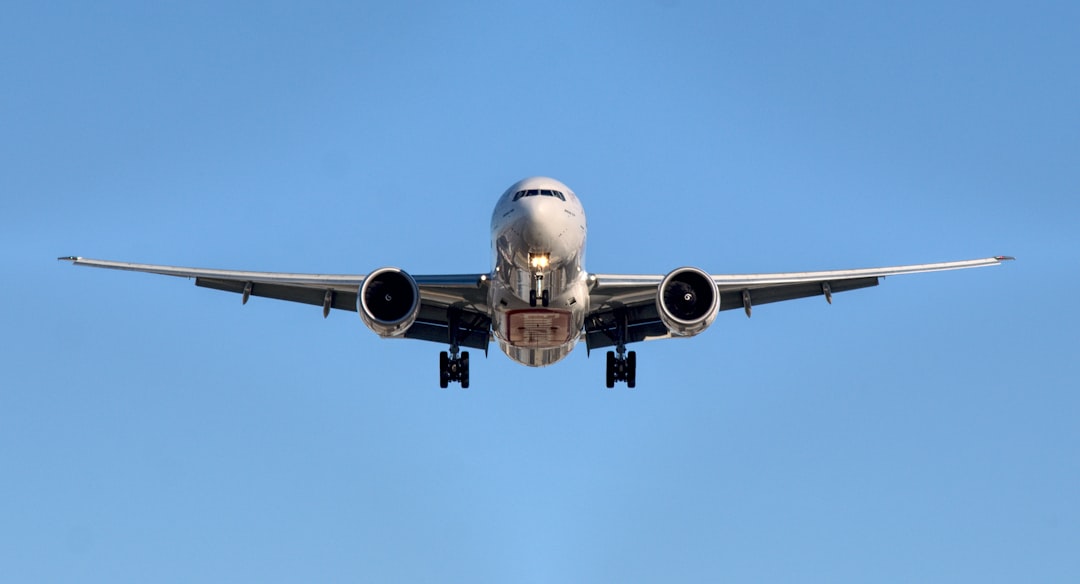
The aborted takeoff of a Frontier Airlines Airbus A321neo at Denver International Airport on May 8, 2026, killed one person, injured a dozen passengers, and set an engine ablaze. Those are the immediate facts. The consequences, however, will ripple outward for months, touching federal investigators, airline procedures, and the airport itself.
The National Transportation Safety Board will lead the probe. They will examine how a person ended up on the active runway during a departure. That is the central question. Denver International is one of the busiest airports in the world. It has a strong safety record. That record now has a hole in it.
The NTSB will look at the airport’s perimeter security. They will look at its vehicle access protocols. They will look at how ground personnel communicate with the tower. They will look at whether the flight crew had any warning before the strike. The Airbus A321neo, a single-aisle narrow-body airliner, was accelerating for takeoff. The collision triggered an engine fire. The pilots aborted the takeoff. Twelve passengers were hurt in the process, likely during the sudden deceleration and evacuation.
The aircraft itself is a popular model. The A321neo is the longest fuselage in the A320neo family. It can seat between 180 and 244 passengers. Airbus announced the model in December 2010 as a replacement for the A321ceo. It is known for fuel efficiency and new engines. None of that mattered on May 8.
The investigation will also scrutinize Frontier Airlines’ procedures. How quickly did the crew react? Was the evacuation orderly? The airline now faces a period of intense scrutiny. Every decision made in those seconds will be replayed in slow motion by investigators.
Denver International Airport will face its own reckoning. The airport is a major hub. It handles thousands of flights daily. A runway incursion that ends in a fatality is a worst-case scenario. The airport will have to review its safety protocols. It will have to ask how a person breached the operational area. It will have to prove that its systems are robust enough to prevent a repeat.
The commercial aviation world is watching. Runway incursions are a known hazard. They are the subject of constant industry training. But a fatality during takeoff is rare. This incident will likely prompt reviews at other major airports. The Federal Aviation Administration may issue new directives. The NTSB’s findings will be crucial. They will determine the cause. They will recommend changes. Those changes could range from better fencing to upgraded radar systems to revised communication procedures.
The 12 injured passengers have their own consequences to face. Physical recovery is one thing. The psychological toll of a takeoff that turns into a fire and a crash stop is another. They will be part of the investigation as witnesses. Their accounts will help piece together the sequence of events.
The person who died has not been named. The report does not say if they were a passenger, an airport employee, or an intruder. That detail will emerge. It will shape the narrative. If it was an airport worker, questions about training and access will sharpen. If it was an outsider, questions about security will dominate.
For now, the investigation is the story. The NTSB will release preliminary findings. Those findings will set the agenda. The airline, the airport, and the regulator will all have to respond. The incident at Denver International Airport is a closed loop of cause and effect. The task now is to open it, examine every piece, and close it again with new safeguards in place. That is the only consequence that matters.