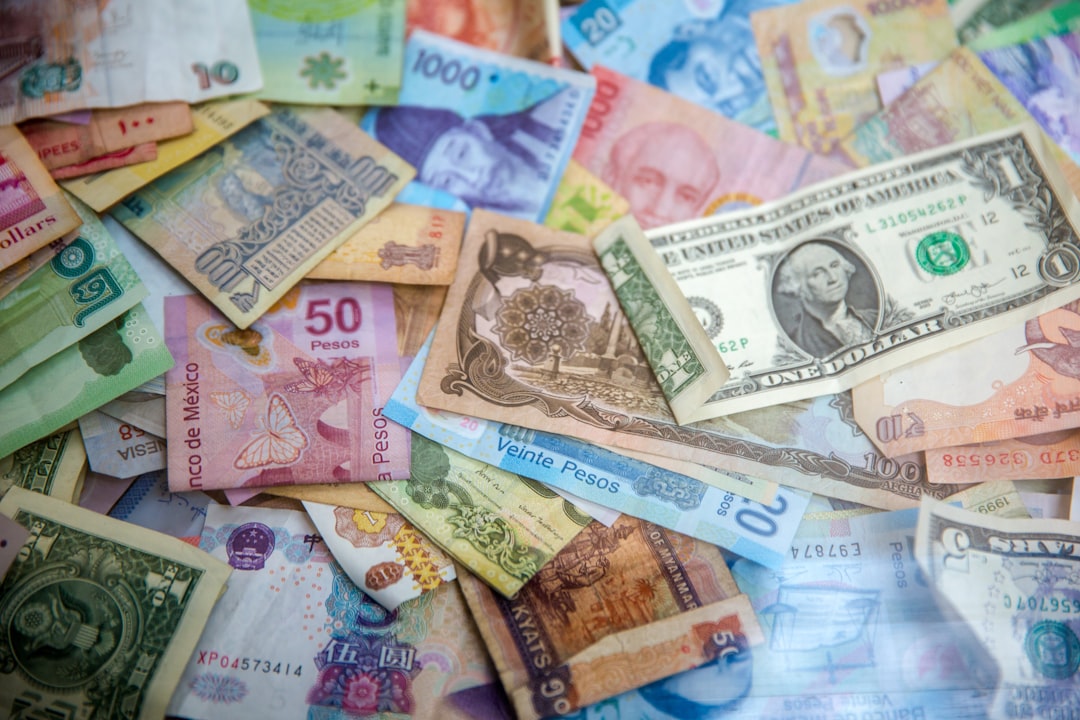
Ten years ago this month, Bloomberg News broke a story that would shatter public trust in the global currency markets. The report, published in June 2013, described a decade-long pattern of collusion among the world’s biggest banks to rig the $4.7 trillion-per-day foreign exchange market. At the center of it sat the WM/Reuters benchmark rates, the daily reference points used by corporations, pension funds, and central banks to value their currency holdings.
Forex traders had turned those 60-second benchmark-setting windows into a private casino. They front-ran client orders. They coordinated trades in chat rooms with names like “The Cartel.” They pushed through transactions before and during the narrow window when rates are fixed. For at least ten years, the daily manipulation was routine.
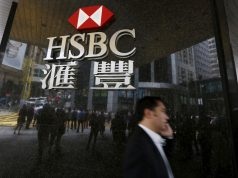
HSBC was among the banks caught in the probe. Regulators in Asia, Switzerland, the United Kingdom, and the United States opened investigations. The U.S. Department of Justice and the Commodity Futures Trading Commission eventually hit HSBC with penalties exceeding $600 million. The bank entered into deferred-prosecution and monitorship agreements. The exact terms of those agreements remain unspecified in public records, but the scale of the fines signaled the severity of the misconduct.
The scandal was not a one-off. It exposed a culture inside the world’s largest currency dealing floors where collusion was standard practice. Traders swapped client order flow. They agreed on prices before the benchmark was set. They manipulated the fix to benefit their own positions, often at the expense of the very clients who had entrusted them with their trades.
The fallout was not limited to fines. Regulators demanded structural changes. Banks were forced to separate their forex trading desks from client-facing operations. Compliance departments bulked up. Surveillance systems were overhauled. The days of unmonitored chat rooms and informal coordination came to an end.
HSBC, for its part, argued it had taken significant steps to prevent a repeat. The bank invested heavily in compliance and risk management. It implemented new policies and procedures. It increased employee training. Whether those changes have been enough is a question the bank’s monitors continue to assess.
But the scandal’s legacy runs deeper than any single bank’s remediation plan. It changed how the forex market operates. The WM/Reuters rates, once set by a small group of banks in a largely opaque process, are now subject to greater scrutiny. The fix itself was reformed. The window during which trades can influence the benchmark was widened, making manipulation harder. The number of contributing banks was expanded. The process became more transparent.
The question that lingers, a decade on, is whether the underlying behavior has truly changed. Fines were paid. People were fired. Some traders faced criminal charges. But the incentives that drove the collusion — the pressure to generate profits, the bonus structures tied to short-term gains, the close-knit culture of currency trading desks — did not vanish overnight.
HSBC’s $600 million penalty was a fraction of the bank’s annual profit at the time. For the industry as a whole, the total fines ran into the billions. Yet the currency market remains the world’s largest financial market. The daily volume now exceeds $7 trillion. The same benchmark rates are still used to value trillions of dollars in assets and liabilities.
The forex scandal of 2013 was not an anomaly. It was a systemic failure, rooted in a market that had operated for decades with minimal oversight. The reforms that followed were real. But so was the lesson: when the rules are written by the players, the game gets rigged.