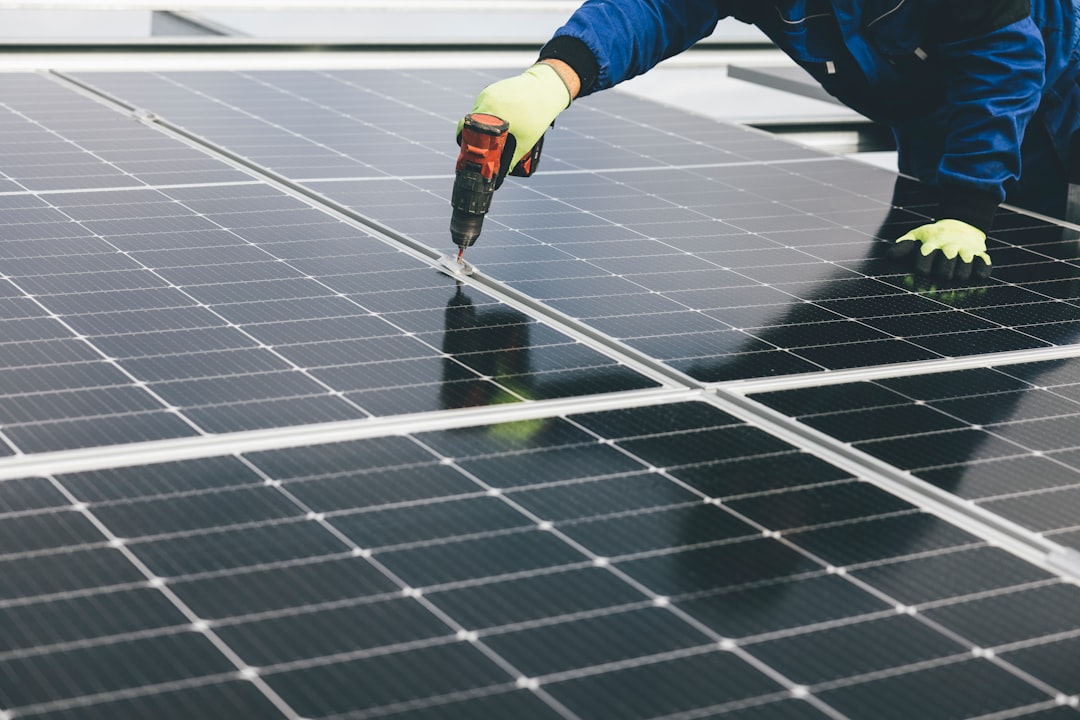
On a single Tuesday afternoon in April 2026, Britain’s solar panels delivered 15,420 megawatts of power. That was the all-time high, hit at 1 p.m. on the 23rd. It was a number the grid had never seen before. And it raises a blunt question: what happens when the sun does not shine?
The UK now gets 6.4% of its annual electricity from solar. That is not a rounding error. It is real generation, real displacement of gas and coal. On sunny days, the share can spike past 30%. The system has built itself around that variability. But the stakes are higher than they were a decade ago.
Behind the record sits a policy that no longer exists. In 2010, the government introduced a feed-in tariff. Every electricity consumer paid for it. The tariff made rooftop solar affordable. Then panel prices fell. Installations multiplied. The scheme closed to new applicants in 2019, but the machines it paid for are still running. By the end of November 2025, total installed capacity stood at 21.5 gigawatts. That was up 13% from a year earlier. The growth did not stop when the subsidy stopped.
Capacity is one thing. Output is another. In the UK climate, photovoltaic panels operate at a capacity factor around 10%. That means for every 100 megawatts of panels installed, you get 10 megawatts of actual average power. The number is not a failure. It is a reality of latitude and weather. Solar works here. It just does not work all the time.
The risk is not technical. It is political and economic. The grid must balance supply and demand every second. Solar delivers in daylight, especially in spring and summer. It delivers almost nothing on a December evening when the heating load is highest. That gap must be filled by something else — batteries, gas plants, interconnectors to France or Norway, or demand response that shifts when people use power. Each option costs money. Each requires planning permission, regulatory approval, or private investment.
Britain has no strategic reserve of sunshine. It has no way to store Tuesday afternoon’s record for a still, overcast Wednesday. Batteries exist. They are growing. But 15,420 MW of generation would require an enormous bank of storage to shift even a fraction of that power to the evening peak. That storage is not yet built.
The feed-in tariff paid for panels. It did not pay for the system around them. That is the unfinished business. The country has built a solar fleet that can cover nearly a third of demand on a good day. On a bad day, it covers nearly nothing. The grid operators know this. They plan for it. But the public rarely sees the balancing act.
What is at stake is reliability. Not in the abstract sense — in the concrete sense of lights staying on when cloud cover rolls in. The UK has kept the grid stable through a rapid buildout of wind and solar. That is an achievement. But the solar record of April 2026 is not just a milestone. It is a signal of how far the country has come and how far it still has to go. The panels are there. The policy that put them there is gone. The next question is what replaces it.