In a small market town in Indonesia, a fruit vendor counts her dwindling daily earnings as the cost of imported rice climbs for the fourth time this year. Across the ocean, a factory worker in Bangladesh faces a reduced shift as orders from Europe slow. These are the human faces behind a stark warning from the World Trade Organization (WTO): several major economies risk sliding into a recession, with the poorest and most vulnerable nations bearing the heaviest burden.
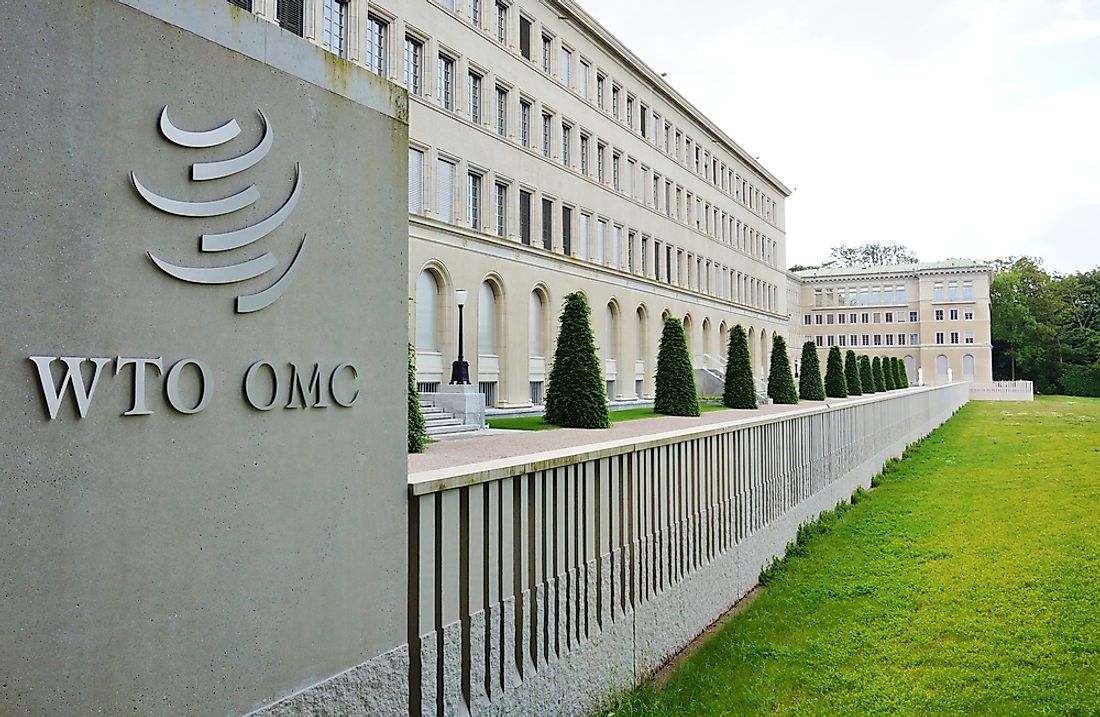
Speaking at the G20 summit in Nusa Dua, Indonesia, WTO Director-General Ngozi Okonjo-Iweala delivered a sobering assessment of the global economy. “It may not happen everywhere, but several key countries risk sliding into recession,” she said. The warning comes as a cascade of crises—the war in Ukraine, surging food and gasoline prices, and persistent inflation—have clouded the outlook for world trade. For emerging and developing nations that depend on exports to wealthy countries for their own recovery, a recession in major economies would be a severe blow.
Trade Growth Forecast Cut Sharply
The WTO’s latest projections paint a grim picture. While global trade was expected to grow by 3.5% this year, the organization last month slashed its forecast for 2023 to just 1.0%. This dramatic slowdown threatens to choke off a vital lifeline for developing countries, where rising import costs for food and fuel are already squeezing household budgets.
Okonjo-Iweala specifically urged G20 nations to remove food export restrictions, which she said harm developing nations by driving up global food prices. “In response to rising food export restrictions that harm developing nations by raising food prices, she has urged G20 leaders to gradually lift these restrictions,” the WTO head stated. Such restrictions, often imposed by wealthier nations to protect domestic supplies, can trigger price spikes that devastate import-dependent communities in Africa and Asia.
Cautious Hope for Trade Reform
Beyond the immediate economic pressures, the WTO faces a structural crisis that has paralyzed its dispute settlement system since 2019. The system ground to a halt when the administration of former U.S. President Donald Trump blocked the appointment of judges to the appeals body that arbitrates international trade disputes. Without a functioning system, smaller nations have little recourse when larger economies violate trade rules.
Okonjo-Iweala expressed cautious optimism for a breakthrough, saying she is “very hopeful” that progress is underway. “The Americans are consulting actively with other members at an informal level,” she noted, adding that increased U.S. engagement will help speed up reform efforts from 2023. In a sign of momentum, trade ministers from the G7 advanced economies agreed in a September meeting to work toward having a functioning WTO dispute settlement system by 2024.
A key diplomatic development may also provide a foundation for progress. On the fringes of the G20 summit, U.S. President Joe Biden and Chinese President Xi Jinping met to repair their strained bilateral relations—one of the many concerns weighing on the prospects for a global recovery. “It’s always beneficial when the two largest economies in the world talk to one another, as was observed at the U.S.-China summit. Certainly with respect to trade, it’s very helpful,” Okonjo-Iweala said.
Looking ahead, the resumption of U.S.-China dialogue and ongoing WTO reform talks in 2023 will be critical to watch. For the fruit vendor in Indonesia and the factory worker in Bangladesh, the outcome of these high-level negotiations could determine whether their livelihoods stabilize or continue to erode. The WTO chief’s message is clear: without coordinated action from the world’s largest economies, the risk of a recession that cascades from wealthy nations to the most vulnerable remains all too real.