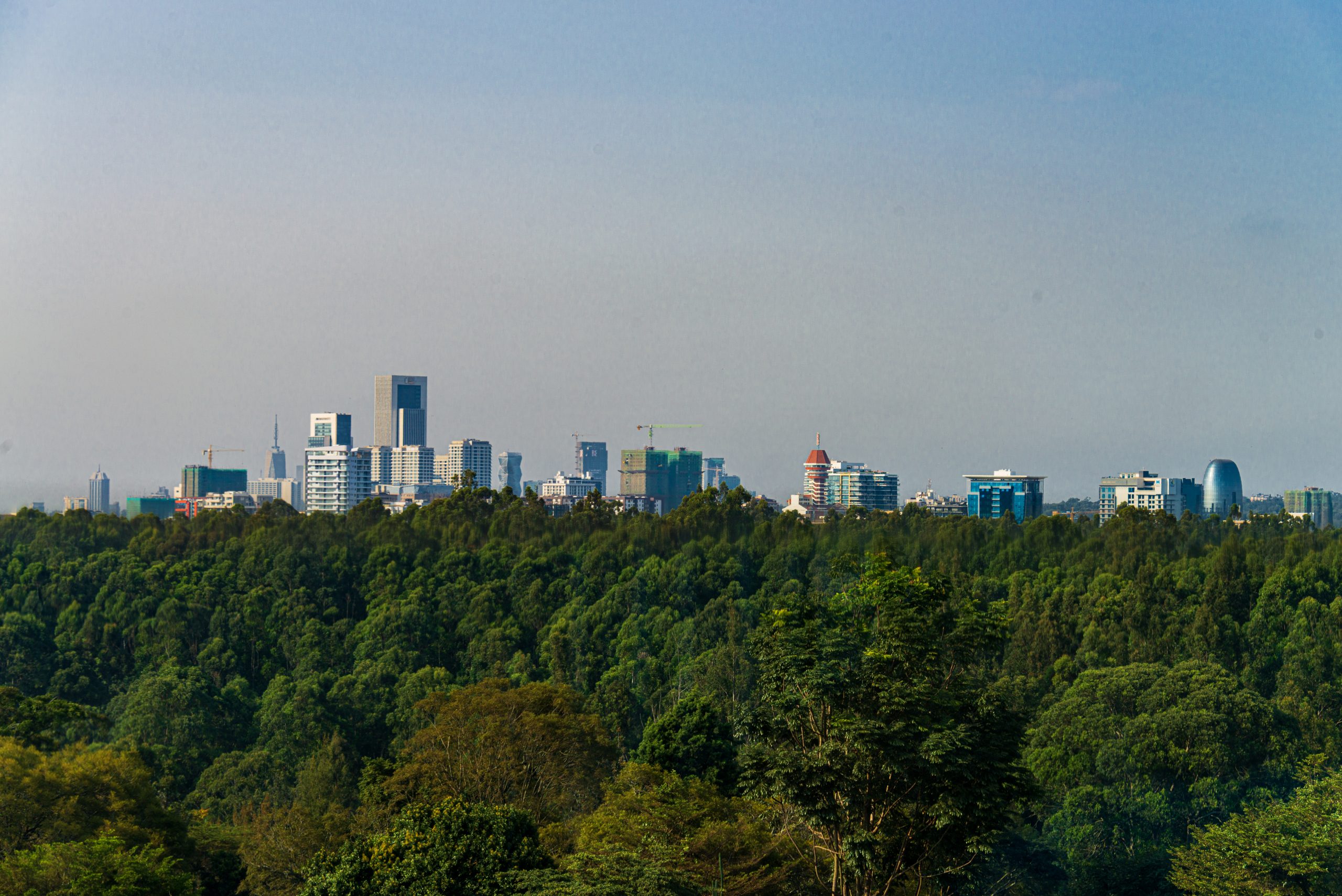
Widespread flooding has struck Nairobi, Kenya, affecting tens of thousands of people, as the city’s residents and authorities scramble to respond to the disaster. The capital city, known for its lush green landscapes and national park, is facing a major crisis as floodwaters inundate homes, businesses, and infrastructure. The situation on the ground is dire, with many people forced to evacuate their homes and seek shelter elsewhere.
Nairobi, with a population of 4.8 million and a metropolitan population of 5.7 million, is the largest city in Kenya and a major financial and economic hub in East Africa. The city’s unique geography, with the Nairobi National Park located within its boundaries, makes it a challenging place to manage during extreme weather events. The park, which is home to a wide range of wildlife, including lions, leopards, and rhinos, is a significant tourist attraction and a source of pride for the city. However, the flooding has raised concerns about the impact of urbanization and development on the city’s natural environment.
The flooding has also highlighted the need for improved infrastructure and urban planning in Nairobi. The city’s drainage system, which is often overwhelmed during heavy rainfall, has been unable to cope with the sheer volume of water, leading to widespread flooding. The authorities have been working to clear the drainage channels and repair damaged infrastructure, but the task is daunting. In the meantime, residents are being advised to take precautions and stay safe, with many schools and businesses closed until further notice.
As the city struggles to come to terms with the flooding, there are concerns about the long-term impact on the environment and the economy. Nairobi is a major economic hub, and the flooding has already disrupted trade and commerce. The city’s reputation as a clean and green city is also at risk, with the flooding highlighting the need for more sustainable and environmentally-friendly practices. Some scientists argue that extreme weather events like flooding are becoming more frequent and intense, and that cities like Nairobi need to be better prepared to respond to these challenges.
The Kenyan government has pledged to support those affected by the flooding, with emergency aid and relief efforts underway. The international community is also being called upon to provide assistance, with many organizations and countries offering support. As the city begins the long process of recovery and rebuilding, there is a growing recognition of the need for a more sustainable and resilient approach to urban development. This includes investing in renewable energy sources, such as solar and wind power, which can provide energy security and cost savings, as well as reducing the city’s reliance on fossil fuels.
Looking to the future, it is clear that Nairobi faces significant challenges in terms of environmental sustainability and resilience. However, the city also has a unique opportunity to rebuild and revitalize its infrastructure, with a focus on green and sustainable practices. By prioritizing the health of the planet and the well-being of its citizens, Nairobi can emerge from this crisis stronger and more resilient than ever. As the city begins to look to the future, one thing is clear: a clean and sustainable planet is essential for the health and prosperity of all, and it is up to cities like Nairobi to lead the way in creating a better future for generations to come.