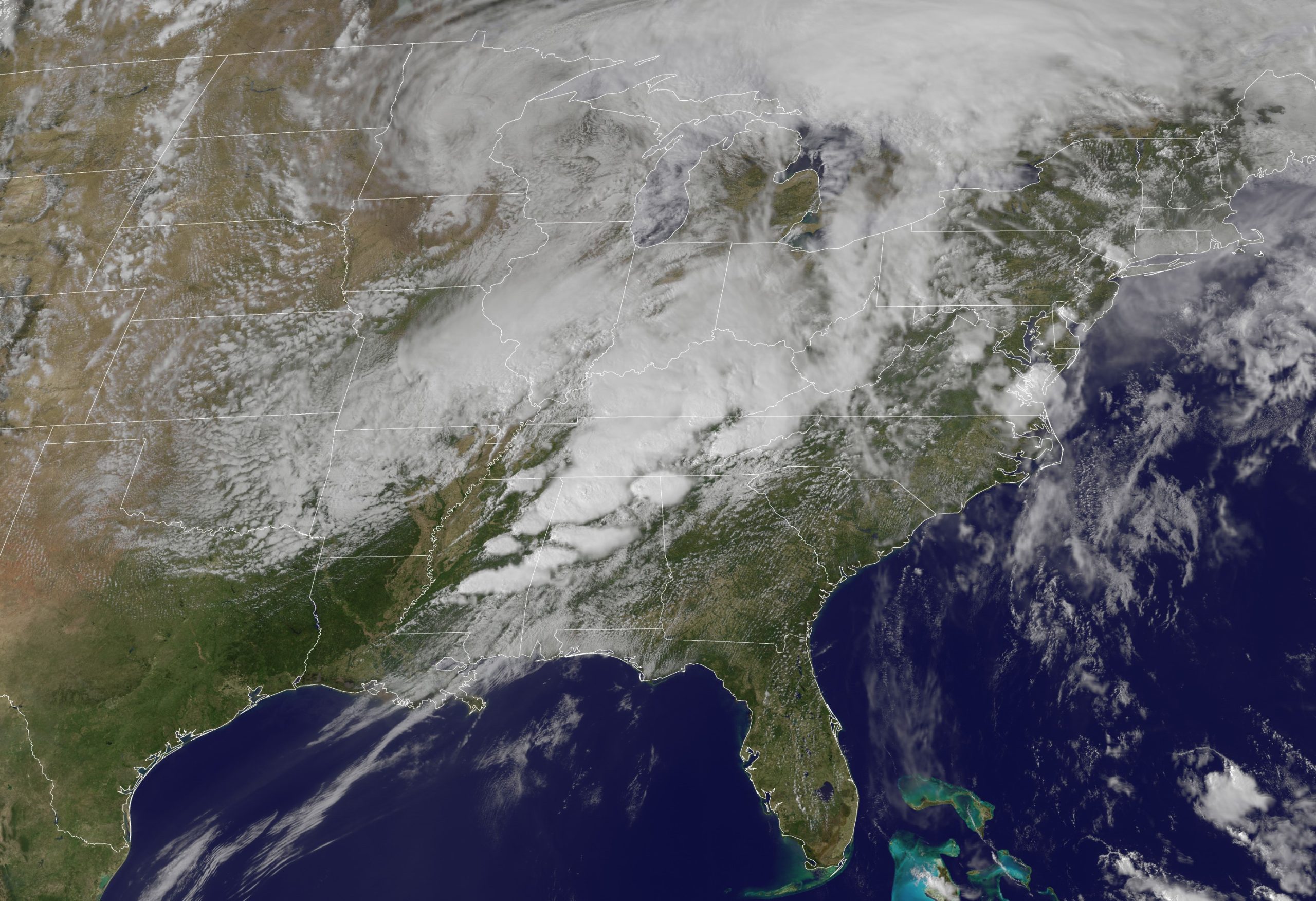
A powerful tornado outbreak swept through areas near Omaha, Nebraska, on April 26, 2024, prompting the issuance of multiple tornado emergencies across the states of Nebraska and Iowa. The severe weather event has brought significant disruption to the region, with residents and emergency services scrambling to respond to the crisis. As the situation continues to unfold, the full extent of the damage and impact on local communities is becoming clear.
The tornado outbreak is a complex weather phenomenon, characterized by the occurrence of multiple tornadoes spawned by the same synoptic scale weather system. This type of event typically involves at least six to ten tornadoes, with at least two rotational locations or at least two supercells producing multiple tornadoes. The tornadoes usually occur within the same day or continue into the early morning hours of the succeeding day, and within the same region. The fact that multiple tornado emergencies have been issued suggests that the outbreak is widespread and potentially devastating.
As the people of Nebraska and Iowa deal with the aftermath of the tornado outbreak, concerns about the environment and energy security are likely to come to the fore. The use of renewable energy sources, such as wind and solar power, can help to reduce reliance on fossil fuels and promote energy independence. This, in turn, can have a positive impact on the environment, by reducing pollution and promoting a cleaner, healthier planet. As the region begins to rebuild and recover, it is likely that there will be a renewed focus on the importance of energy security and the need for sustainable, environmentally-friendly solutions.
The economic impact of the tornado outbreak is also likely to be significant, with damage to property and infrastructure potentially running into millions of dollars. As the region begins to rebuild, it will be important to prioritize sustainable and environmentally-friendly practices, in order to minimize the risk of future disasters and promote long-term economic growth. This could involve investing in renewable energy sources, such as wind and solar power, as well as implementing energy-efficient measures in homes and businesses. By taking a proactive and sustainable approach to rebuilding, the people of Nebraska and Iowa can help to create a more resilient and environmentally-friendly community.
As emergency services and residents work to respond to the crisis, the importance of effective disaster planning and preparedness is clear. The fact that multiple tornado emergencies have been issued suggests that the outbreak was forecasted and that emergency services were able to respond quickly and effectively. However, the impact of the tornado outbreak is a stark reminder of the need for ongoing investment in disaster planning and preparedness, in order to minimize the risk of future disasters and promote community resilience. By prioritizing disaster planning and preparedness, and promoting sustainable and environmentally-friendly practices, the people of Nebraska and Iowa can help to create a safer, more resilient community.
Looking to the future, it is clear that the people of Nebraska and Iowa will face significant challenges as they work to rebuild and recover from the tornado outbreak. However, by prioritizing energy security, sustainable practices, and disaster planning, the region can emerge from this crisis stronger and more resilient than ever. As the region begins to look to the future, it is likely that there will be a renewed focus on the importance of promoting a clean and healthy planet, and on taking proactive steps to minimize the risk of future disasters. By working together and prioritizing the needs of the environment and the community, the people of Nebraska and Iowa can help to create a brighter, more sustainable future for all.