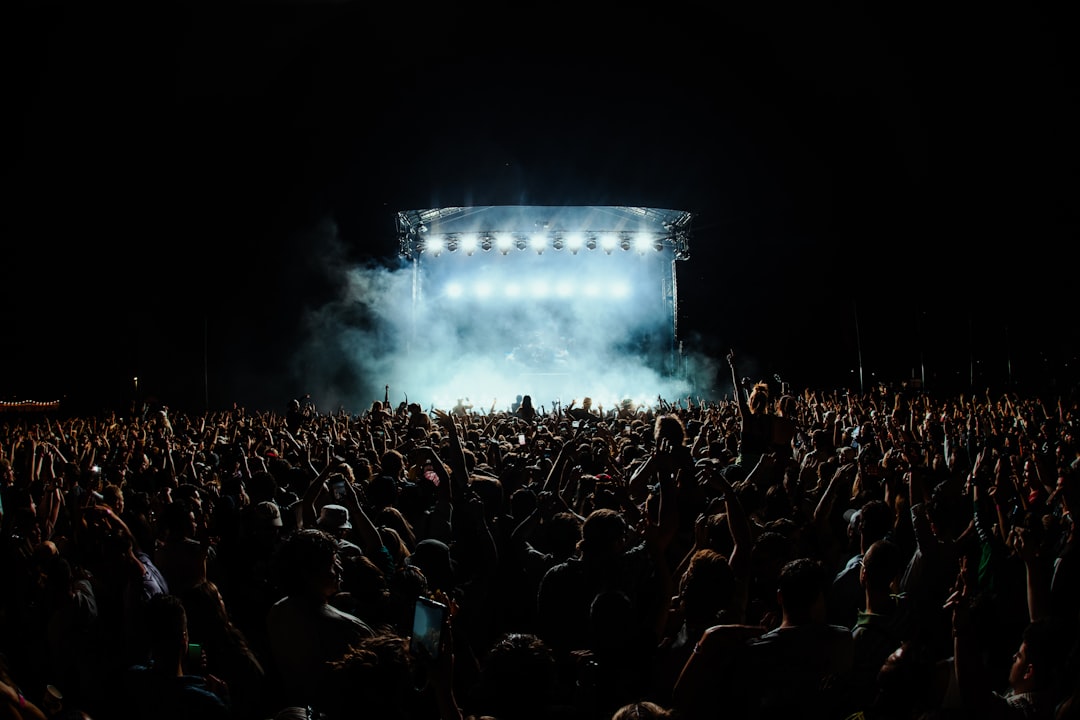
The Empire Polo Club in Indio is empty again. The second weekend of Coachella 2024 ended April 21. Now the dust settles, and the real work begins — for the city, for the promoters, for the local businesses that bet their spring revenues on two weeks of crowds.
Indio is a desert town of about 90,000 people. For two weekends every April, that number swells dramatically. Hotels sell out months in advance. Short-term rental prices spike. Restaurants hire extra staff. The economic jolt is massive, but it is also brief. Local officials now face the familiar task of smoothing out the crash that follows the boom. Side streets that were clogged with ride-share cars at 2 a.m. go quiet. The temporary cell towers come down. The porta-potty companies haul away their equipment.
The headliners themselves — Lana Del Rey, Tyler, the Creator, Doja Cat, and No Doubt — each brought a distinct audience to the polo fields. That matters for more than just ticket sales. Different fan bases mean different spending patterns. Doja Cat’s crowd skews younger, more likely to buy festival merch and less likely to book a hotel room for the full weekend. No Doubt’s reunion drew an older demographic, people with deeper pockets who might stay longer and eat at pricier restaurants. The city’s hospitality sector had to juggle all of that at once.
Then there is the lineup’s diversity. The report on the festival noted that Coachella 2024 showcased a mix of established and emerging artists. That mix is a deliberate strategy — and a risky one. Emerging acts rarely sell the same volume of merchandise or draw the same sponsorship dollars as established ones. But they build buzz. They generate social media content. They keep the festival feeling fresh. The question for next year: does Goldenvoice, the promoter, double down on that strategy or pivot back toward bigger, safer headliners?
Weather cooperated. The Empire Polo Club’s grounds are flat, exposed, and hot. In April, temperatures in Indio can hit the low 100s. This year, conditions were pleasant, according to the report. That is not a small detail. Extreme heat sends people to medical tents, forces stage cancellations, and cuts into alcohol sales. Good weather means fewer headaches for security and EMS crews. It also means attendees stay on-site longer, spending more money at the food vendors and the bars.
One consequence that will ripple forward: the festival’s impact on local housing. Indio has a limited supply of rental homes. During Coachella, many of those homes become short-term vacation rentals. That squeezes out long-term tenants. City council members have debated caps on short-term rentals for years. Each festival season reignites that argument. The 2024 edition will be no exception.
Traffic is another perennial issue. The commute from Los Angeles to Indio is roughly two and a half hours without traffic. During festival weekends, that drive can stretch to four or five hours. Highway 111, the main artery into the polo grounds, becomes a parking lot. Local residents plan around it. Some leave town entirely. The California Highway Patrol will now review its deployment for 2024 and decide whether to adjust its strategy for 2025.
No major incidents were reported during the festival. That is a win for organizers. Security at large-scale events has been under intense scrutiny. A smooth run — no crowd crushes, no serious violence, no major weather emergencies — gives Goldenvoice leverage when negotiating with city officials for future permits. It also keeps insurance premiums manageable.
For the artists themselves, Coachella is a platform. Lana Del Rey’s performance will be dissected online for weeks. Tyler, the Creator’s set design will be copied by smaller festivals. Doja Cat’s wardrobe will generate a thousand think pieces. No Doubt’s reunion sets the stage for a possible tour. The fallout from one weekend of music can reshape careers for years.
Indio is already looking ahead. The date for Coachella 2025 has not been announced. But the planning starts now.