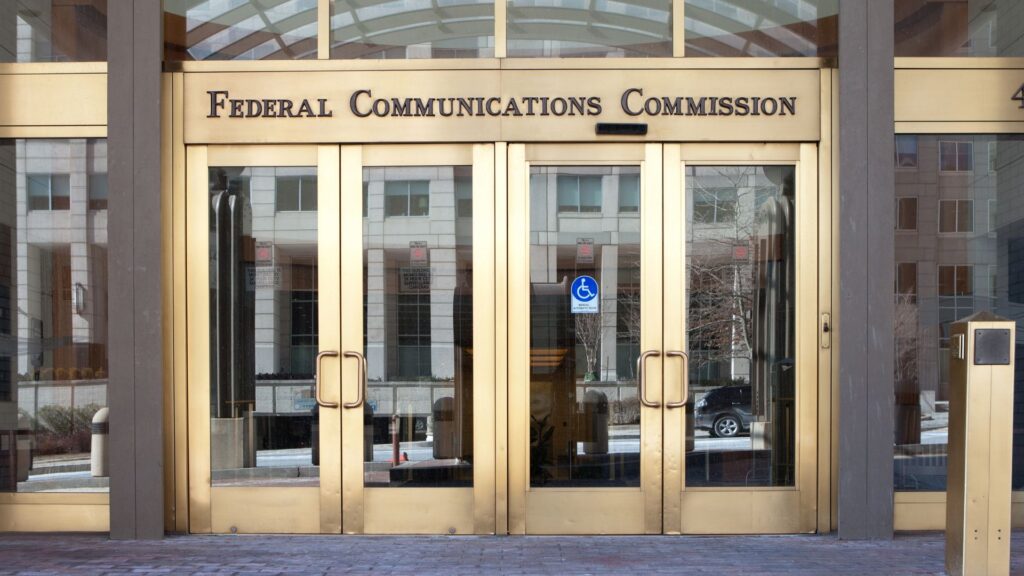
WASHINGTON, July 6 — The Federal Communications Commission voted to repeal a 2022 rule requiring internet service providers to display all fees in a standardized label at the point of sale, a decision that reverses a key consumer protection measure from the Biden era.
The rule, known as the Broadband Consumer Label rule, was adopted under the previous administration and finalized in October 2022. It mandated that ISPs show surcharges, taxes, and other fees in an easy-to-read format for consumers. The FCC’s current majority, led by Chairman Brendan Carr — appointed by President Donald Trump in 2025 — argued the rule imposed unnecessary regulatory burdens and stifled innovation.
Strategically, the calculus for the FCC majority is clear: this repeal is part of a broader effort to reduce government oversight of broadband pricing. The agency’s leadership framed the rule as a regulatory hurdle for providers operating in the $100 billion U.S. broadband market.
Consumer advocacy groups, including Public Knowledge and the National Consumer Law Center, criticized the decision sharply. They argued it will lead to hidden fees and higher costs for consumers, stripping away transparency that the 2022 rule had aimed to guarantee.
The repeal takes effect 60 days after publication in the Federal Register. For now, the broader stakes involve how this shift signals the administration’s approach to deregulation in the telecommunications sector.
What this signals is a clear departure from the consumer transparency push championed by former Chairwoman Jessica Rosenworcel, who had supported the label rule. The FCC’s action effectively removes a tool designed to give customers clear, upfront pricing on their internet bills.
The move is likely to face continued opposition from consumer watchdogs, though no immediate legal challenge has been announced. The coming weeks will test whether the repeal reshapes broadband pricing or simply returns the market to pre-2022 practices.