
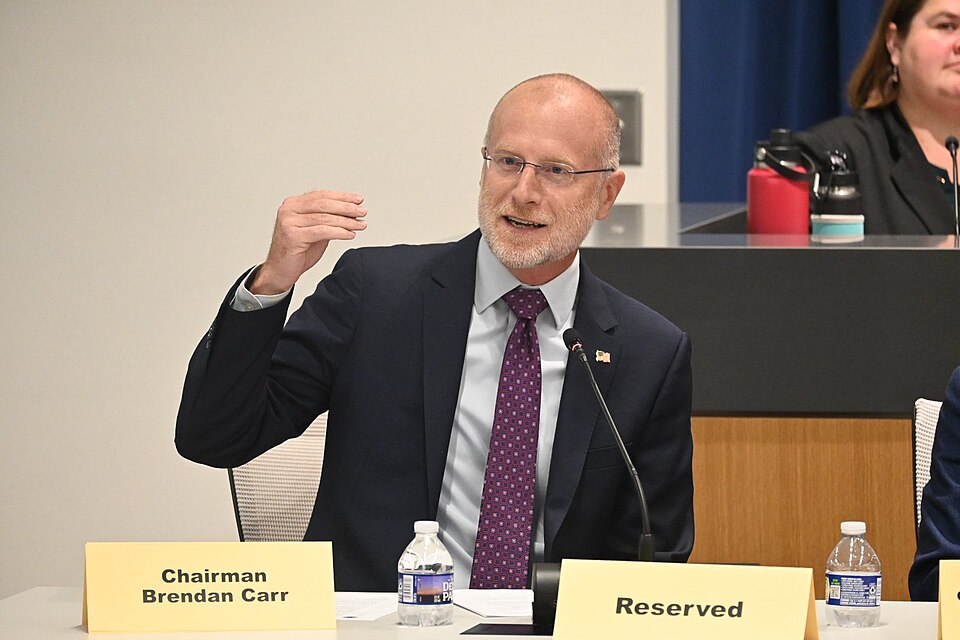
WASHINGTON — The Federal Communications Commission voted 3-2 along party lines to repeal its broadband transparency rule, a move Chairman Brendan Carr argued was necessary to ease regulatory burdens on internet service providers. Carr, a Republican appointed to the commission by President Donald Trump in 2017 and elevated to chairman in 2025, led the repeal effort. The vote underscores the partisan divide over how the federal government should approach broadband oversight.
Republican Commissioners Nathan Simington and a third Republican joined Carr in supporting the repeal. Democratic Commissioners Jessica Rosenworcel, the former chairwoman, and Anna Gomez opposed the measure, citing consumer protection concerns.
The FCC is composed of five commissioners appointed by the president and confirmed by the Senate. The 3-2 vote signals that the agency’s current majority views the transparency rule as burdensome for broadband providers. The repeal shifts the regulatory landscape.
Consumer advocates had long argued the rule was essential for ensuring that subscribers could compare pricing, data caps, and performance claims across providers. Without it, the calculus for consumers evaluating internet service options becomes less straightforward.
What this signals is a regulatory reset. The agency under Carr is prioritizing industry flexibility over mandated disclosures, a stance that aligns with the broader Republican push to reduce what they characterize as red tape in the telecommunications sector. The broader stakes involve how much information Americans can expect when shopping for broadband.
Rosenworcel and Gomez argued during the proceedings that the repeal leaves consumers with fewer tools to hold providers accountable. Democrats on the commission warned that the decision could erode transparency just as federal infrastructure spending aims to expand broadband access nationwide. They framed the rule as a basic consumer protection that helped prevent hidden fees and misleading speed claims.
Carr, however, maintained that the rule imposed compliance costs that outweighed its benefits. The chairman has signaled that the FCC will pursue alternative approaches to broadband oversight, though he has not detailed what those might look like.
The vote took place on a recent date. It caps a years-long debate over how much regulatory authority the FCC should exercise over internet service providers. Looking ahead, the decision is likely to face scrutiny in Congress, where some lawmakers have already signaled interest in legislation that would restore transparency requirements.
The commission’s Democratic members are expected to continue pressing for consumer disclosure rules through other channels.




