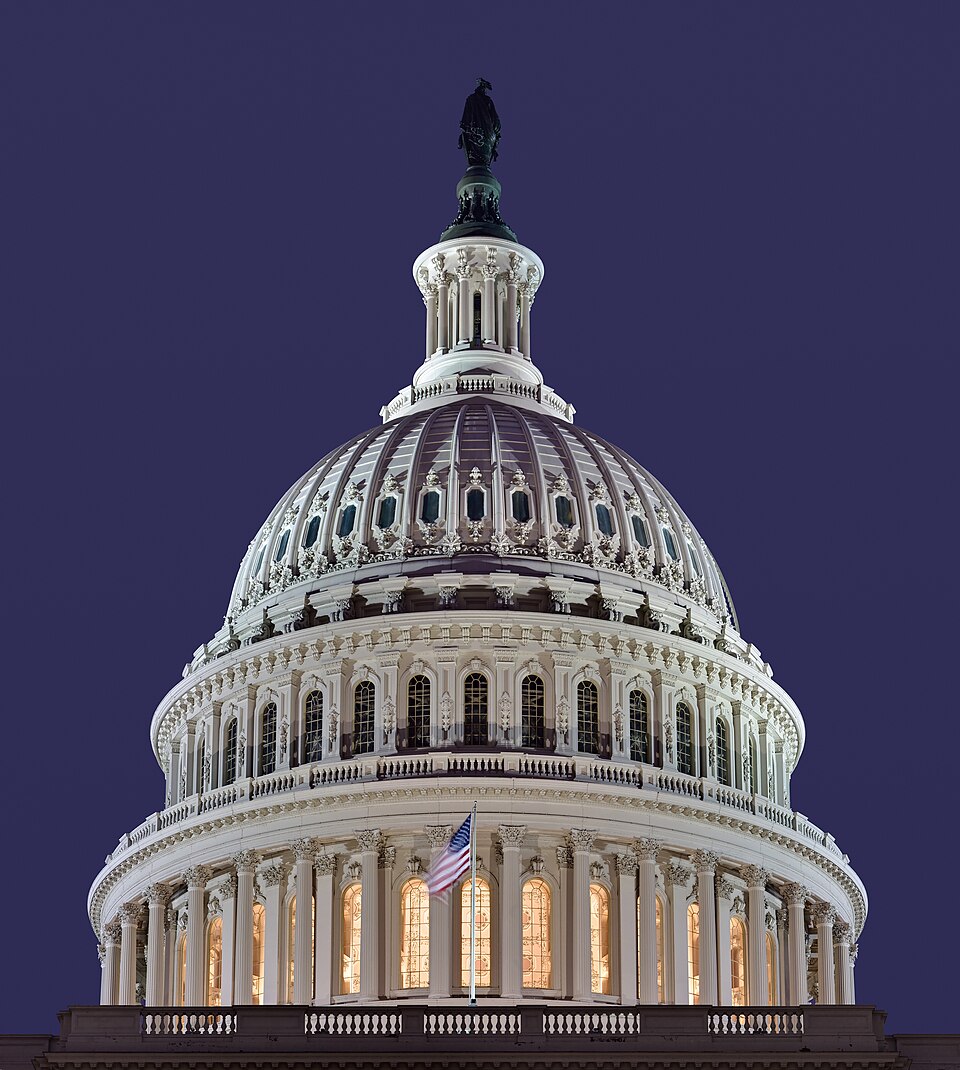
Congress voted overwhelmingly on April 8, 2022, to suspend normal trade relations with Russia and ban imports of Russian oil, escalating U.S. economic pressure on Moscow over its invasion of Ukraine and reports of atrocities against civilians. The House passed both measures with broad bipartisan support after the Senate approved them unanimously, sending the legislation to President Joe Biden for his signature.
Senate action clears the way
The Senate voted 100-0 on both bills, ending weeks of delay as lawmakers negotiated final language. The measures revoke Russia’s permanent normal trade relations status and codify a ban on Russian energy imports that Biden had already imposed through executive order. The trade bill allows Biden to raise tariffs on Russian imports like steel and aluminum, further squeezing President Vladimir Putin’s economy. It also applies less favorable tariff treatment to Belarus, a Russian ally in the conflict.
Senate Majority Leader Chuck Schumer, D-N.Y., announced a breakthrough in talks shortly before lawmakers left Washington for a two-week recess. Some members had warned that failing to act sent the wrong signal to allies and to Russia. “Now, I wish this could have happened sooner, but after weeks of talks with the other side, it’s important that we have found a path forward,” Schumer said. He described images emerging from Ukraine as “pure, pure evil. Hundreds of civilians murdered in cold blood.”
House votes nearly unanimous
The House passed the trade suspension bill 420-3 and the energy import ban 413-9. The near-unanimous margins reflected overwhelming support for punishing Russia after reports of mass graves and civilian killings in the Kyiv suburb of Bucha. Rep. Richard Neal, D-Mass., said the atrocities justified stronger action. “We have no time to waste and must immediately further punish Vladimir Putin,” Neal said. “What we have witnessed in Bucha over the course of the last 72 hours alone more than justifies the positions we have taken in the past and to be more assertive and aggressive going into the future.”
House Speaker Nancy Pelosi, D-Calif., who was quarantined after testing positive for COVID-19, issued a statement praising the votes. “America is unwavering in our commitment to the Ukrainian people, and Congress will continue to hold Russia to account,” Pelosi said.
Delay over sanctions language resolved
The legislation stalled in the Senate for weeks because of a dispute over language defining who can be sanctioned for human rights abuses. Sen. Rand Paul, R-Ky., blocked speedy consideration, arguing the wording was too broad and could be abused. A few other Republicans agreed. Rather than force a time-consuming filibuster fight, Schumer let senators negotiate behind the scenes. They reached a compromise acceptable to both parties and the White House.
Sen. Ben Cardin, D-Md., said the delay had little practical effect because trade with Russia had already collapsed. “There’s virtually no trade right now coming in from Russia,” Cardin said. Still, he argued passage was essential. “Messaging is important here and showing action is important. You’ve got the Ukrainians on the battlefield every day. The least we can do is get these bills passed.”
Economic impact already visible
The White House reported that sanctions imposed by the U.S. and more than 30 other nations have damaged Russia’s economy. Experts predict Russia’s GDP will contract up to 15% this year, with inflation already spiking above 15%. More than 600 private-sector companies have left the Russian market. “Russia will very likely lose its status as a major economy, and it will continue a long descent into economic, financial, and technological isolation,” the White House said.
Russian oil makes up only a small fraction of U.S. imports, but lawmakers viewed the ban as a moral test. Cutting off an economic lifeline for Putin’s regime became a priority after images of civilian deaths in Bucha galvanized Congress. The bills also give the president authority to restore normal tariff treatment and resume energy trade under certain conditions, but no immediate return is expected.
The votes marked one of the strongest bipartisan actions by Congress since the invasion began on February 24. Lawmakers from both parties said the message to Ukraine was clear: America stands with you. The message to Putin was equally clear: the cost of aggression will keep rising.