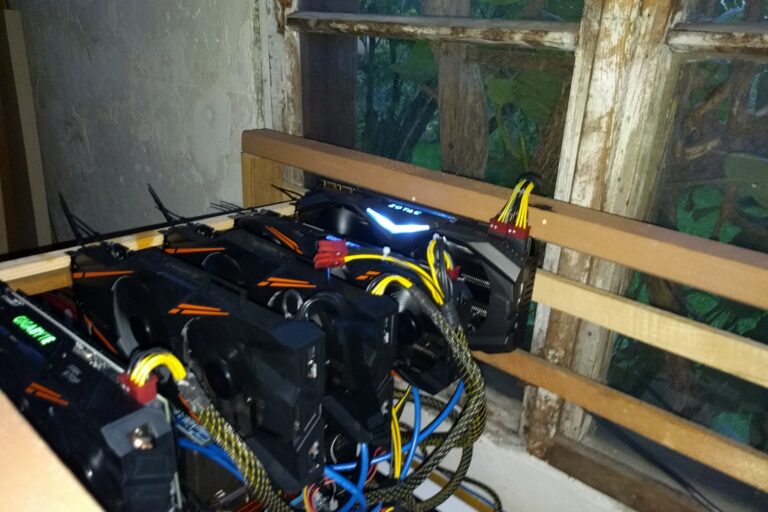
A Canadian man has been extradited to the United States to face charges that he and an accomplice hijacked supercomputers at four American universities to mine cryptocurrency for more than three years. Ryan James Roach, 35, of Saskatchewan, appeared in federal court in the Western District of New York on November 3 after his October 28 extradition; his alleged partner, Mathiew James Stubbings, 41, of Ontario, remains in Canada pending extradition proceedings.
The Bottom Line
The operation ran from June 2016 through December 2019, compromised at least four university networks across four states, and repurposed high-performance computing clusters to mine Electroneum, a privacy-focused cryptocurrency. Prosecutors say the scheme damaged at least ten computers in a single year and caused losses of at least $5,000, though the full value of the mined coins remains undisclosed.
How the Operation Was Structured
According to the unsealed indictment, Roach and Stubbings researched and identified universities that maintained supercomputers with exploitable vulnerabilities. They rented virtual private servers in Europe and the United States under false identities to mask their traffic, deploy rootkits, steal credentials, and push mining software onto compromised machines. Once inside a network, the pair used sophisticated reconnaissance tools to expand their access laterally, turning additional systems into mining nodes and using previously hacked computers as pivot points to obscure their origin.
By the Numbers
The indictment alleges intrusions at institutions in New York, Tennessee, North Carolina, and Massachusetts. At least one supercomputer lost significant processing speed and power to the mining operation, rendering those resources unavailable for legitimate academic work. Over a one-year period, the defendants allegedly damaged at least ten protected computers, with documented losses of at least $5,000. Each man faces up to ten years in prison and a $250,000 fine per count if convicted, plus forfeiture of networking equipment, data storage devices, and any proceeds tied to the scheme.
The Cryptocurrency Targeted
Canadian court filings revealed the mining software was configured for Electroneum, a coin designed for mobile and CPU-friendly mining. The choice matters: Electroneum’s algorithm favors general-purpose processors over specialized hardware, making university supercomputers — built for heavy CPU workloads — an efficient, if illicit, mining platform. The Justice Department has not disclosed how much Electroneum the pair allegedly extracted.
Impact on University Cybersecurity
The case underscores a persistent vulnerability in academic research infrastructure. Supercomputers are high-value targets because they offer massive, often under-monitored compute capacity and are connected to open campus networks designed for collaboration. The alleged three-and-a-half-year dwell time suggests the attackers moved quietly, blending mining traffic with legitimate research jobs. The indictment notes the defendants specifically singled out campuses maintaining supercomputers, indicating a deliberate hunt for this class of asset.
Cross-Border Enforcement in Practice
Roach’s extradition demonstrates the operational cooperation between Canadian and U.S. authorities on cybercrime. The grand jury returned the indictment in April 2022; more than two years later, one defendant is in U.S. custody while the other awaits a Canadian court decision on surrender. The charges — conspiracy to obtain information from a protected computer and cause damage, obtaining information from a protected computer, and intentional damage to a protected computer — carry the same statutory maximums on both sides of the border, smoothing the extradition path.
Roach’s next court date is a detention hearing scheduled for November 3 in the Western District of New York.
Sources
- Officials extradite Canadian man to US for alleged cryptomining spree
- US charges two Canadians accused of hacking US universities
- Canadian Extradited to US Over Cryptomining Hacks on University Supercomputers
- Two Canadians charged in alleged hacking scheme targeting universities, including one in WNY
Photo: Jasper Reichardt (CC BY-SA 4.0)