PARIS, November 4, 2026 — Blockchain investigator ZachXBT has identified French banking group Crédit Mutuel Arkéa as the target of a cyberattack that allegedly drained more than $133 million, with the stolen stablecoins routed through Ethereum and into the privacy coin Monero. The disclosure coincides with a 13.7 percent monthly surge in Monero’s price, though the mechanics of the theft and the market’s timeline suggest the heist is a minor factor in the rally.
The Mechanics of the Laundering Trail
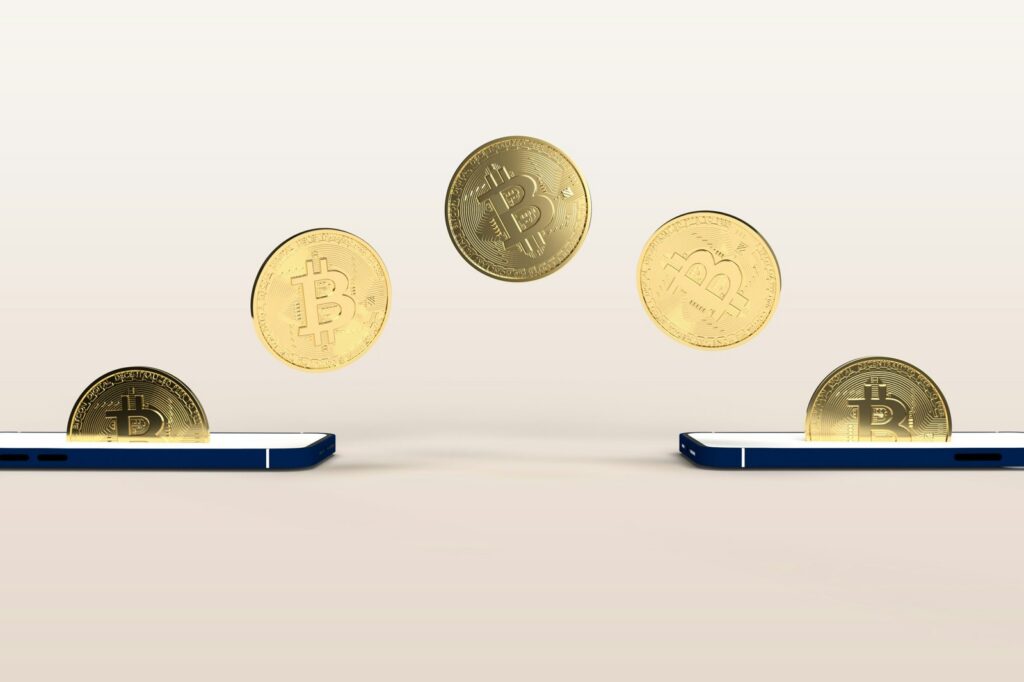
According to ZachXBT, the attacker withdrew $108.8 million in USDC from accounts at Kraken, Crypto.com, and OKX within a 21-hour window on November 1. The investigator later identified an additional $27 million in withdrawals, bringing the estimated total above $133 million. The hacker converted the stablecoins into Ethereum using instant exchangers WellWallet and Kyrrex, then swapped the ETH into Monero via Wagyu before bridging the funds across multiple chains.
ZachXBT noted the attack spanned multiple days and warned that reported losses may understate the total because they do not capture possible over-the-counter activity. Crédit Mutuel Arkéa, which holds roughly $235 billion in assets, has confirmed a cyberattack but has not disclosed the stolen amount or confirmed Monero’s role. As of November 4, the bank had issued no official statement on the incident.
Exchange Restrictions Complicate the Exit
The catch is that the entry points for the laundering—centralized exchanges—are also the choke points. Kraken restricted the accounts associated with the incident, stating its own systems and customer accounts were not compromised. Crypto.com blocked related funds, while OKX began reviewing the allegations. Because USDC issuer Circle can freeze tokens at specific addresses, the thief had to move quickly into Ethereum, which has no central freezer, and then into Monero, where sender, receiver, and amounts are obscured by default.
ZachXBT argued the bank’s silence during the attack allowed the thief to launder funds without immediate law enforcement intervention. The mechanics here are standard for high-value thefts: stablecoins for speed, Ethereum for liquidity, Monero for finality.
Timing and Scale Don’t Align With the Price Surge
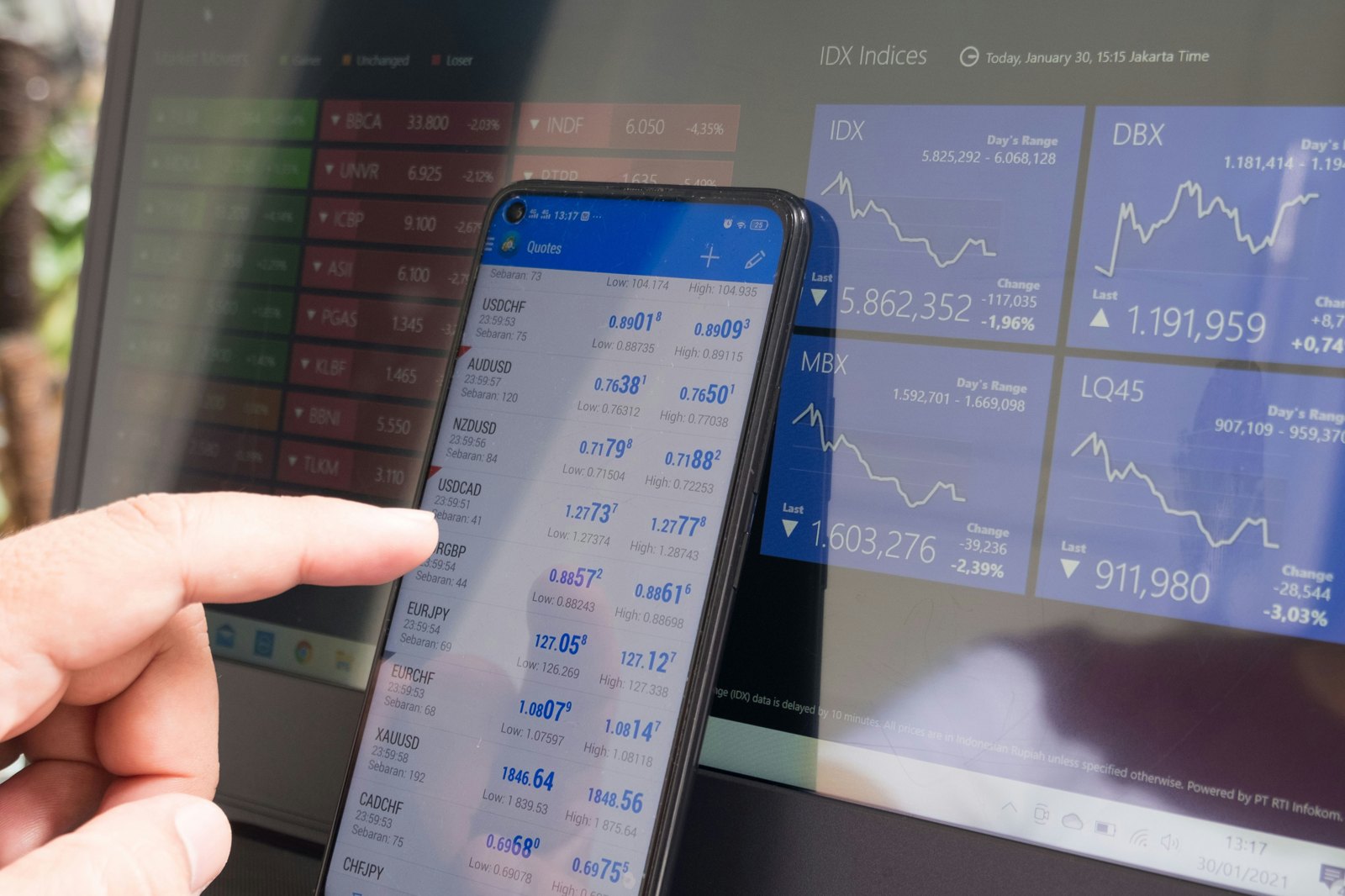
Monero traded at $639 on November 3, up 13.7 percent over the prior 30 days. That performance stands in sharp contrast to Bitcoin (-6.1 percent), Ethereum (-10.2 percent), and fellow privacy coin Zcash (-22.4 percent). However, the timeline undercuts the theory that the Arkéa heist drove the bulk of the gain.
The 30-day window opened on October 5 with XMR at $562. By October 21—roughly two weeks before ZachXBT disclosed the suspicious withdrawals—Monero had already climbed to $621. The price dipped to $599 by October 31, meaning only the 6.7 percent rebound since then coincides with the movement of the stolen funds. On the disclosure day itself, Monero’s 2.6 percent gain lagged Bitcoin’s 3.7 percent and Ethereum’s 6.0 percent. If the theft were a primary catalyst, the coin would have outperformed on the news; it did not.
Follow the Money: Volume vs. Market Cap
Even if the full $133 million were converted to XMR—a maximum estimate, since funds were split across chains—it would represent roughly 55 percent of Monero’s $198 million in 24-hour volume but only 0.9 percent of its $12 billion market cap. In a thin order book, a large buyer can move the price, but the data suggests the rally had structural legs before the heist entered the chat.
Monero has traded above its 20-day simple moving average ($596), 50-day average ($566), and 200-day average ($428) for weeks. The coin is up 73.1 percent over 90 days and more than double its February low of $292. The trend was established in early October, well before the Arkéa breach became public knowledge.
Privacy Coins Diverge Under Regulatory Pressure
The divergence between Monero and Zcash is instructive. Both offer privacy, but Monero’s mandatory anonymity set has triggered delistings on regulated venues—Kraken, Crypto.com, and OKX among them—narrowing its trading avenues and concentrating its holder base. That illiquidity amplifies buying pressure. Zcash, which retains optional transparency, has not faced the same degree of exchange attrition, yet it fell 22.4 percent in November. The market appears to be pricing Monero-specific demand, not a broad privacy-coin bid.
Historically, Monero has spiked after major thefts linked to XMR conversions, such as a 2025 Bitcoin heist. But the Arkéa case illustrates the limits of that correlation. The theft is real, the laundering traceable to the on-ramps, and the exchange restrictions are tightening. Yet the price action tells a different story: a sustained rally built on thin liquidity and specific accumulation, with the heist providing, at most, a November tailwind.
Sources
- Hackers Who Allegedly Took $133 Million From a French Bank Swapped Into Ethereum and Monero. Is That Behind Monero's 17% Monthly Gain?
- French bank Crédit Mutuel Arkéa allegedly targeted in $133M crypto theft
Photo: Shutter Speed / Unsplash (Unsplash License)