Google and its industry partners have taken legal action to dismantle a botnet that infected more than 1.3 million Android devices, accusing Chinese manufacturer Videostrong Technology Co. of deliberately embedding malware in consumer electronics for financial gain.
The Supply Chain Compromise
According to Google’s analysis, the malware was built into multiple device models and brands over several years, with infrastructure and software configurations continually updated to evade detection. The company states it has “high confidence” that Videostrong “intentionally developed, deployed, and operated” the malware, finding no indication the operation was the work of a rogue employee or a development mistake.
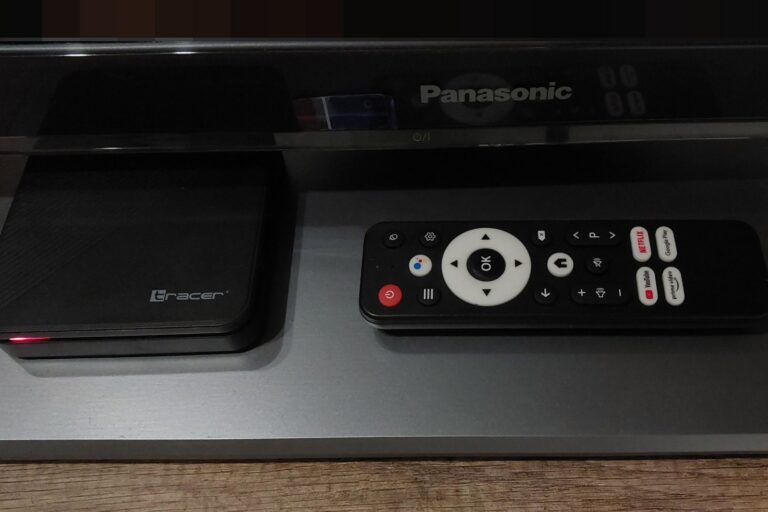
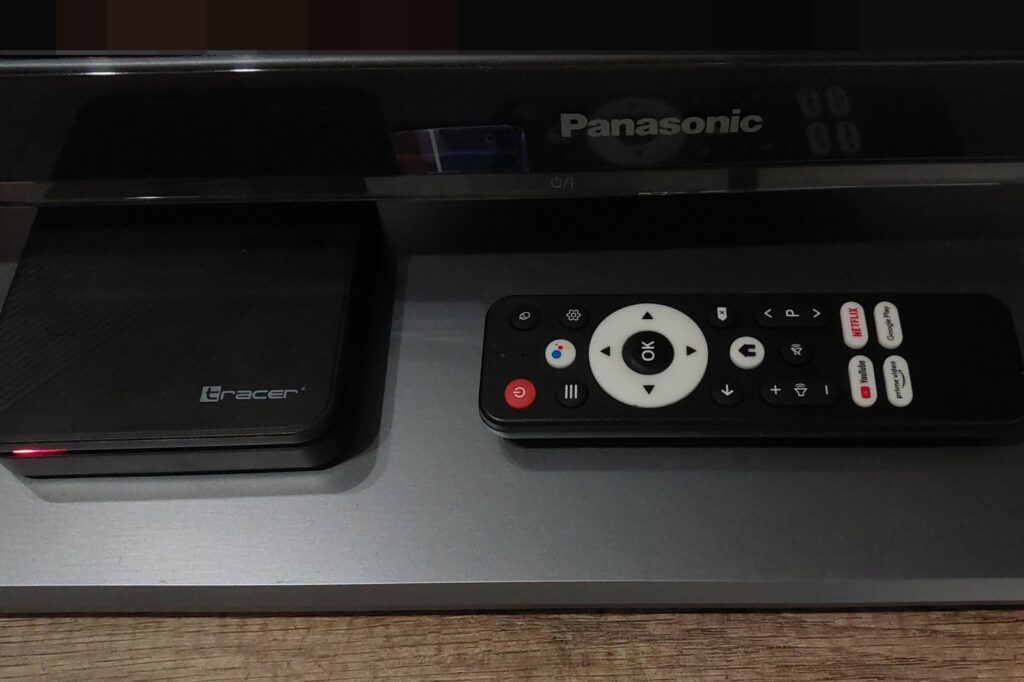
Affected devices included Android TV set-top boxes, telehealth devices, karaoke machines, and digital signage systems. Videostrong’s product range also encompasses streaming devices, smart-home equipment, and AI-powered companion robots, alongside customized hardware and software development services for other brands. The company’s website lists Google-certified Android TV boxes and streaming sticks among its products.
How the Malware Operated
The malicious software, identified as XCPE, operates in three stages: a persistent backdoor called x.cpe, a stealthy loader, and swappable monetization modules. This architecture allowed the operators to maintain long-term access while rotating revenue-generating payloads.

Google states the malware conducted ad-fraud, data exfiltration, and routed malicious network traffic through compromised devices. The manufacturer allegedly concealed the malicious code during Google’s compatibility and security testing, installing it only after a device’s first startup — exploiting a gap in the certification review process.
Enforcement and Infrastructure Takedown
Beyond legal action to disable command-and-control servers and internet domains, Google disrupted control domains for more than a dozen other malware families delivered through the same backdoor. The company has cut ties with Videostrong and barred the firm, including future subsidiaries and affiliates, from manufacturing or selling certified Android devices or supplying software to other certified manufacturers. Google says it has since changed its device review process to address the exploited security gap.
AI-Driven Infostealers Escalate the Threat Model
The Videostrong case illustrates a broader shift in how compromised devices are monetized. New infostealers like VOLTA-AUTODOXER now integrate large language models to automate victim profiling and asset valuation. According to Cisco Talos research, the malware steals credentials, sessions, and cryptocurrency wallets, then sends a structured evidence bundle to an LLM via OpenRouter to rank the victim’s assets by monetization value.
The system prompt instructs the model to act as “a forensic intelligence analyst drafting a target assessment,” producing sections titled “WHAT THEY’RE WORTH” and “THEIR OPSEC.” VOLTA defaults to Anthropic’s Claude Opus 4.6 but includes fallbacks to Moonshot AI’s Kimi K2 and Google’s Gemini 2.5 Flash if the primary model refuses — a design choice indicating operators anticipate guardrail triggers. The malware operates at a low temperature setting of 0.2, prioritizing consistent, predictable output for criminal decision-making.
After AI analysis, VOLTA self-deletes, leaving no persistent implant. The dossier and AI assessment are exfiltrated together in a volta_dox.zip archive over the victim’s own network connection. Talos flagged the malware using its CAIRN framework, built to identify hacking tools incorporating AI capabilities, though researchers did not track whether VOLTA has been used in the wild.
Supply Chain Attacks Multiply Across Sectors
The Videostrong operation aligns with a pattern of supply chain compromises targeting trusted vendors to reach downstream users. In a separate campaign disclosed by Kaspersky, a previously undocumented .NET assembly-loading framework dubbed NetamLoader targeted a custom Windows 10 build used exclusively by government entities in Asia. The malicious payload was packaged inside a Windows cabinet archive placed in a directory storing operating system update packages, suggesting a supply chain vector.
That attack abused AppDomainManager injection via a legitimate endpoint management tool, Patch My PC, to load arbitrary .NET assemblies — a technique functionally similar to DLL sideloading that allows malicious code to run inside a legitimate process. The exact delivery vehicle for the cabinet archive remains unknown.
The Scale of Cybercrime Economics
Cybercrime costs were predicted to reach US$6 trillion globally by 2021, increasing at a rate of 15% per year, according to Symantec’s 2018 Internet Security Threat Report. The number of malware variants reached 669,947,865 in 2017, twice the count from 2016. Since 2021, malware has increasingly targeted critical infrastructure systems such as electricity distribution networks.
Google’s certification ban on Videostrong represents one of the few instances where a platform holder has publicly attributed embedded malware to a hardware manufacturer and enforced contractual consequences. The case underscores a growing regulatory gap: devices that pass initial security review can be weaponized post-deployment through supply chain persistence, while AI-enabled infostealers now automate the triage of millions of compromised endpoints into monetizable targets.
Sources
- Google Dismantles 1.3 Million-Device Botnet, Accuses Chinese TV Box Maker of Installing Malware for Profit
- Malware
- Appraisal by AI: Model-driven victim prioritization in the VOLTA infostealer
- Spooky New Infostealer Malware Uses AI to ‘Autodox’ Victims
- NetamLoader Malware Targets Government Windows 10 Systems in Asia via .NET Injection
- New AI-driven Windows malware feeds stolen data to Claude to rank victims’ assets by value, then deletes itself — payload builds custom target assessment, can switch models if one refuses, or skip the AI step entirely
Photo: Oliwier Jaszczyszyn of kontrabanda.net website (CC BY-SA 4.0)