
ASHBURN, Virginia, July 21 — The figure that matters: 46,349. That was the population of this Loudoun County census-designated place at the 2020 U.S. census. In 1990, it was 3,393.
Ashburn has gone from a quiet farming hamlet to the planet’s densest concentration of internet infrastructure in three decades. Originally a village called Farmwell, Ashburn remained rural through the early 20th century, sustained by the Washington and Old Dominion Railroad.
Its name likely comes from “Ashburn Farm,” a 1,236-acre estate owned by John Janney, a Quaker lawyer who served as president of Virginia’s Secession Convention in 1861. George Lee III bought the property in the 1870s and is thought to have named it for ash trees or ash-colored soil. The railroad supported local farms until Washington Dulles International Airport opened in 1962, accelerating development.
By the 1980s and 1990s, the Dulles Technology Corridor took off, and large master-planned communities such as Ashburn Village and Ashburn Farm transformed the landscape. But the real pivot came in the early 2000s, when reliable electricity and dense fiber-optic networks turned Ashburn into a global hub for internet traffic.
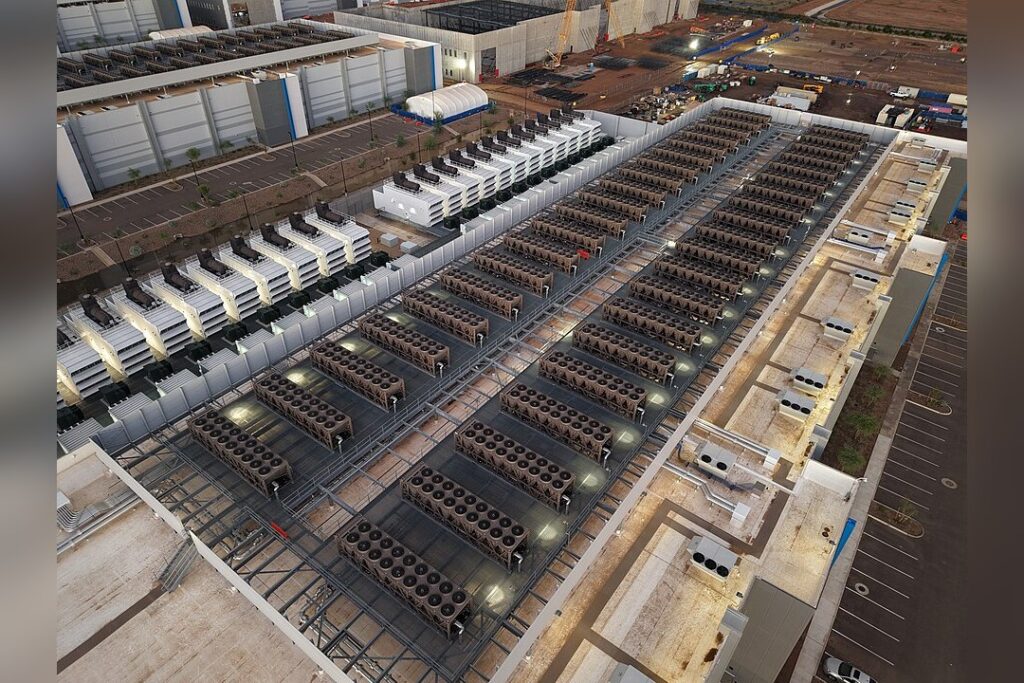
Investors will note the nickname it earned: “Data Center Alley.” Today, the area holds the highest concentration of data centers in the world, making it central to global internet flow.
By the Numbers
Ashburn lies 30 miles northwest of Washington, D.C., inside the Washington metropolitan area. Its two ZIP Codes — 20147 and 20148 — now cover a broader “Ashburn area” that includes adjacent communities: Brambleton, Broadlands, Moorefield, Loudoun Valley Estates, and Belmont. That growth has not come cheap.
The data-center boom has created high-tech jobs, but also infrastructure strains and land-use pressures. The source material notes economic challenges: balancing high-tech job creation with maintaining preserved natural and historic landscapes such as the W&OD Trail and nearby farms and battlefields.
The Challenge Ahead
The same fiber and power that drew the internet’s backbone now draw scrutiny from residents and county planners. The preserved landscapes — the W&OD rail-trail, the remaining farms, and battlefields — sit cheek-by-jowl with server farms humming with global data. The question on local agendas: how to keep the tax base and the jobs without paving over every acre of the historic countryside.
For investors watching the sector, Ashburn remains the benchmark. But the numbers that matter now may be the ones county planners are tallying: land available, power capacity, and the balance between data-center expansion and community character.
That story is still unfolding.




