
SAN FRANCISCO, July 21 — Every tap on a keyboard, every voice command, every tick in a financial market travels across distance. And distance, it turns out, carries a quiet cost—latency. It is the hidden delay between cause and effect, the reason a click feels sluggish or a trade arrives too late.
The word itself, rooted in Latin latent for “hidden,” and later twisted by a superficial resemblance to Old English laet for “lateness,” captures something engineers have long understood: delay is invisible until it is felt.
The physics of waiting
Latency in engineering is not a bug. It is a physical inevitability. The speed of light sets a hard lower limit, and across any separation—a few feet or thousands of miles—some delay is unavoidable.
In packet-switched networks, engineers measure it in two ways: one-way delay, or the more common round-trip delay time (RTT). Round-trip is easier to measure from a single point, using tools like ping, which sends ICMP echo requests out and listens for the reply.
But ping gives only rough estimates. ICMP traffic can be shaped differently by routers and internet service providers, so it does not behave like actual protocols such as TCP. More precise measurements require dedicated software—hping, Netperf, or Ipe.
For the person on the other end of a command, this technical distinction matters. The lower limit of latency depends on two things: the transmission medium itself and the physical distance between the two points.
Geography is destiny
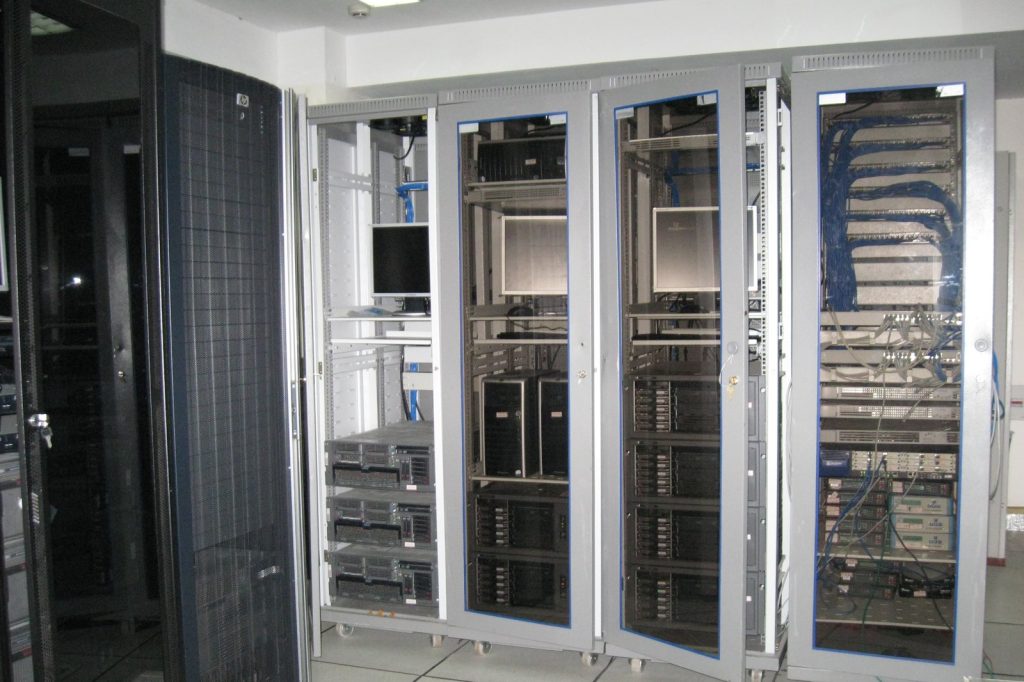
Because distance is inescapable, data center operators face a stark constraint: build close to the people who need the data, or lose them. This geographic pressure reshapes entire industries. Real estate prices, energy availability, network connectivity—all become part of the latency equation.
The cost of being far from users is not just technical; it is economic. Nowhere is that more visible than in latency-sensitive applications.
Lag, as it is known in gaming circles, refers to the latency between the input to a simulation and the visual or auditory response, often occurring because of network delay in online games. Online gaming demands near-instant response; a few hundred milliseconds can ruin a match. Algorithmic trading—where trades are executed by machines in microseconds—leaves no room for lag.
In those worlds, latency is measured in pennies per millisecond, and the financial incentive to shrink it is enormous. The human side of this story is simple: satisfaction, usability, trust in the machine.
Every time a system hesitates, the user feels it. Behind every low-latency network is someone—a gamer, a trader, a parent messaging a doctor—waiting for the world to catch up. And behind that wait is a team of engineers, shaving off fractions of a second by moving servers closer, choosing faster cables, tuning protocols.
The hidden delay is becoming less hidden, but it will never disappear. Not as long as light has a speed, and people have distance between them. What to watch next: how the race for near-zero latency reshapes where the next generation of data centers gets built—and who gets left in the slower lane.




