
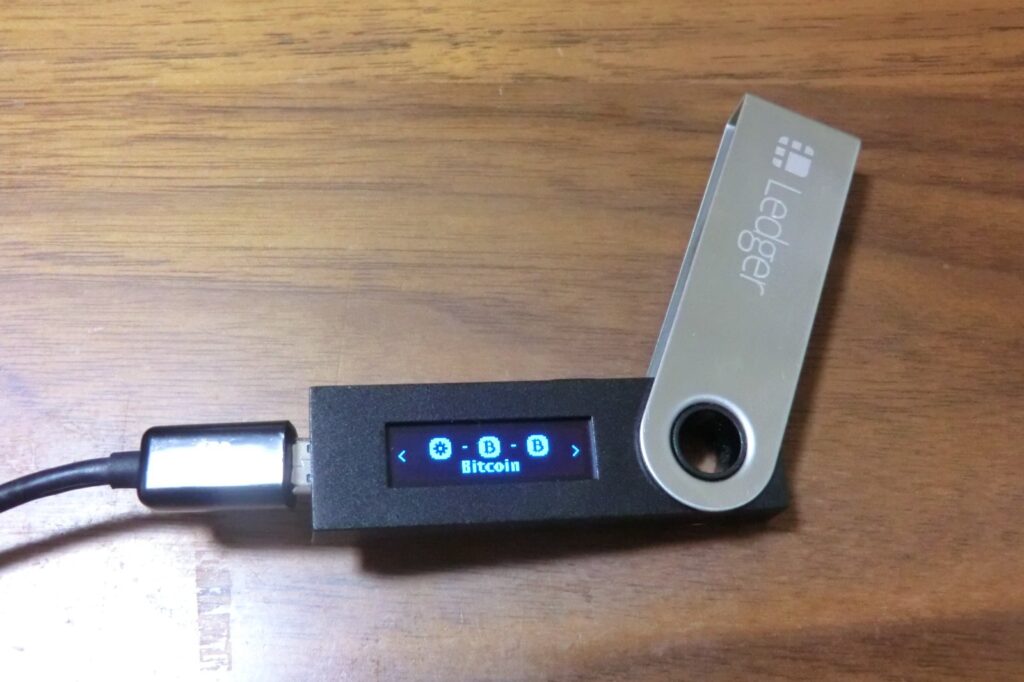
PARIS, October 19, 2026 — Hardware wallet users are being urged to inspect their devices for physical tampering after a criminal group implanted hidden components in Ledger wallets sold through multiple retailers.
The shift is clear: cold storage, once seen as impregnable, now faces threats that bypass software defenses entirely. Users must learn to spot signs of hardware interference to protect their digital assets.
How the Supply Chain Was Compromised
Ledger SAS confirmed that a highly organized criminal group had fitted some of its hardware wallets with hidden physical implants. The Malaysian retailer CryptoBilis became a focal point of an investigation after customers reported missing funds starting October 9, with blockchain researchers estimating losses over $90 million. Ledger noted that while it initially linked the issue to CryptoBilis, it is also reviewing reports of implants found in wallets purchased elsewhere, suggesting the problem may extend beyond a single retailer. This follows a broader pattern where cold wallets have faced security crises, including software flaws in devices by Coinkite Inc. that led to an estimated $130 million in Bitcoin theft and a data breach at Trezor through a shipping provider that exposed personal information of 67,000 customers.
Understanding Supply Chain Vulnerabilities
Supply chain attacks involve tampering with the manufacturing or distribution of a product to install malware or hardware-based spying components. These networks are considered highly vulnerable due to their multiple interconnected components and reliance on third-party vendors. Advanced persistent threats often target the weakest link in a supply chain to gain access to a larger, more secure target. Hardware-based attacks are distinct from software flaws, as they involve physically cracking open devices to compromise them before the user receives them. The problem of compromised wallets may extend beyond a single retailer, as reports of implants have surfaced from various sources.
How to Inspect Your Device for Tampering
Blockchain researchers and experts like Mark Karpelès have suggested that users should open their devices to check for unauthorized hardware implants. Users are advised to look for signs of physical tampering, such as unauthorized components on the circuit board. Ledger has developed multiple device designs over the years, including older models like the Nano X that sometimes end up with third parties like CryptoBilis who refurbish and resell them. A new model is currently being offered for $899. Users who notice anything unusual should document it with clear photos of both the top and bottom of the circuit board to aid in verification.
What This Means for Cold Storage Security
Ledger’s latest breach has rattled nerves in a new way. It is not a software or data-security flaw, but hackers actually cracking open physical devices to steal funds. Even after the company’s update, the full extent of the problem remains unknown. Protecting against one type of attack does not eliminate the others, as noted by Aneirin Flynn, chief executive officer of cybersecurity technology firm FailSafe. The trend underneath is that physical security of hardware wallets can no longer be assumed. Users must treat device integrity checks as a routine step, not an afterthought, to maintain trust in cold storage solutions. Watch this space for further guidance as manufacturers respond to this evolving threat.
How to Verify Your Ledger Wallet’s Authenticity
Users who suspect their Ledger wallet may have been tampered with are advised to open the device and photograph both the top and bottom of the circuit board for comparison with known genuine designs. Mark Karpelès specifically urged affected users to send him pictures showing the Ledger board on top and any suspected spy implant below, as shared in his October 9, 2026 post on X (formerly Twitter). This visual documentation helps experts identify unauthorized components that may not be detectable through software checks alone.
Ledger has acknowledged that older models, such as the Nano X, are sometimes refurbished and resold by third parties like CryptoBilis, increasing the risk of encountering altered devices in the secondary market. The company confirmed it is reviewing reports of implants found in wallets purchased through various retailers, not just CryptoBilis, indicating the issue may be more widespread than initially thought.
Any signs of unfamiliar components, soldering marks, or deviations from the expected circuit board layout should be treated as potential indicators of tampering and reported immediately.
How Physical Implants Differ From Software Threats
Hardware-based attacks involve physically cracking open devices to compromise them before the user receives them, making them distinct from software flaws that exploit code vulnerabilities. Unlike software threats that can be patched remotely, physical implants require direct access to the device’s circuitry and cannot be mitigated through firmware updates alone. This fundamental difference means that detecting such tampering relies on visual and physical inspection rather than automated security scans.
Ledger’s confirmation that a highly organized criminal group fitted some of its wallets with hidden physical implants underscores how these attacks bypass traditional software defenses entirely. The implants are designed to remain undetectable during normal use, often requiring disassembly and circuit board analysis to identify unauthorized components or soldering marks.
As noted by Aneirin Flynn, chief executive officer of cybersecurity technology firm FailSafe, protecting against one type of attack does not eliminate the others, reinforcing the need for users to address both software and hardware risks separately. This distinction is critical because assuming device integrity based on software checks alone leaves users vulnerable to pre-deployment compromises that occur in the supply chain.
Sources
- The Crypto devices built to foil hackers came with spies inside
- Supply chain attack
- Hackers breach Microsoft 365 tenants via ConnectWise supply-chain attack
Photo: Motokoka / wikimedia (CC BY-SA 4.0)




