House Democrats are discussing a broader cryptocurrency bill for the Congress that begins on January 3, 2027. The plan could enlarge the Securities and Exchange Commission’s authority and restrict crypto businesses involving senior federal officials and their immediate families.
Crypto journalist Eleanor Terrett said three industry sources described the discussions with Democratic staff. No final bill has been introduced.
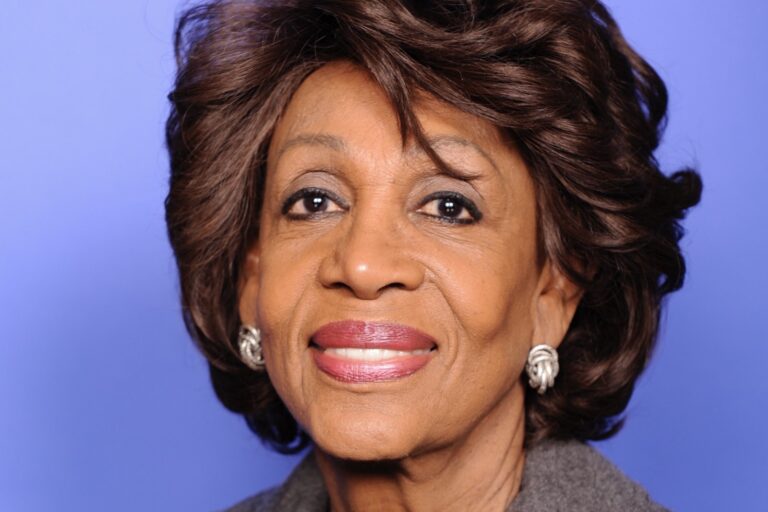
The proposal would build on Representative Maxine Waters’ Crypto Investor and Consumer Bill of Rights, first introduced in 2025. It could also incorporate Democratic provisions discussed with Republicans before the CLARITY Act failed to advance in September.
SEC versus CFTC
The central jurisdictional question is which regulator supervises digital-asset trading. Under the Democratic proposal, the SEC could receive broader authority while the Commodity Futures Trading Commission receives a smaller role.
That arrangement runs against the preference of many cryptocurrency companies for greater CFTC control. It could therefore become a major obstacle when lawmakers seek bipartisan support.
The SEC’s existing mission covers investor protection, fair and efficient markets, and capital formation. Created by Section 4 of the Securities Exchange Act of 1934, it regulates secondary trading and requires public companies and other regulated entities to submit periodic financial disclosures.
Ethics provisions aimed at public office
The proposed ethics language could stop senior government officials from starting, promoting or profiting from cryptocurrency businesses while in office. Immediate family members would also be covered.
Waters introduced the Stop TRUMP in Crypto Act in May 2025 to restrict certain activities involving officials and their families. The current discussions follow reports that Trump’s crypto businesses generated around $1.4 billion.
Republicans have described the planned legislation as a “messaging bill”, arguing that it targets Trump’s businesses rather than establishing rules both parties can support.
A commission with two members
The SEC normally has five commissioners, appointed by the president with no more than three from one political party. Hester Peirce’s departure has left just two.
Carolyn Welshhans, a partner at Morgan Lewis, said that absence affects more than voting arithmetic. Dissenting commissioners help businesses understand where policy may be heading.
“Without having dissenting voices, and quite honestly without having a full commission, we lose some of that important predictability,” she told Ignites. She also cautioned against assuming that the remaining commissioners will agree on every matter.
Meanwhile, the agency’s examination programme is already addressing digital markets. Its fiscal 2027 priorities include tokenization, evolving market infrastructure and emerging technologies that affect compliance, fraud prevention and investor protection.
Examiners will also scrutinize fiduciary duties, economic conflicts of interest, private-fund advisers, illiquid products and third-party access to client accounts. The Division of Examinations developed the risk-based programme with other SEC divisions and offices, and it may change that programme as markets and investor concerns develop.
The next Congress will therefore inherit two separate questions: how much authority to give the SEC over crypto, and when the commission will return to its full complement of five members. The examination priorities were announced on October 23, 2026.
Sources
- House Democrats Plan Crypto Bill With More SEC Power and Trump Ethics Rules
- United States Securities and Exchange Commission
- Capacity Constraints Likely After Peirce Departs, Ignites
- SEC’s Division of Examinations Announces 2027 Examination Priorities
- Intercontinental Exchange CFO Warren Gardiner to Present at the J.P. Morgan Ultimate Services Investor Conference on November 17
- Youlife Group Inc. Announces Initial US$3.0 Million Convertible Note Registered Direct Offering and Potential Additional Investments of Up to US$9.0 Million – AOL
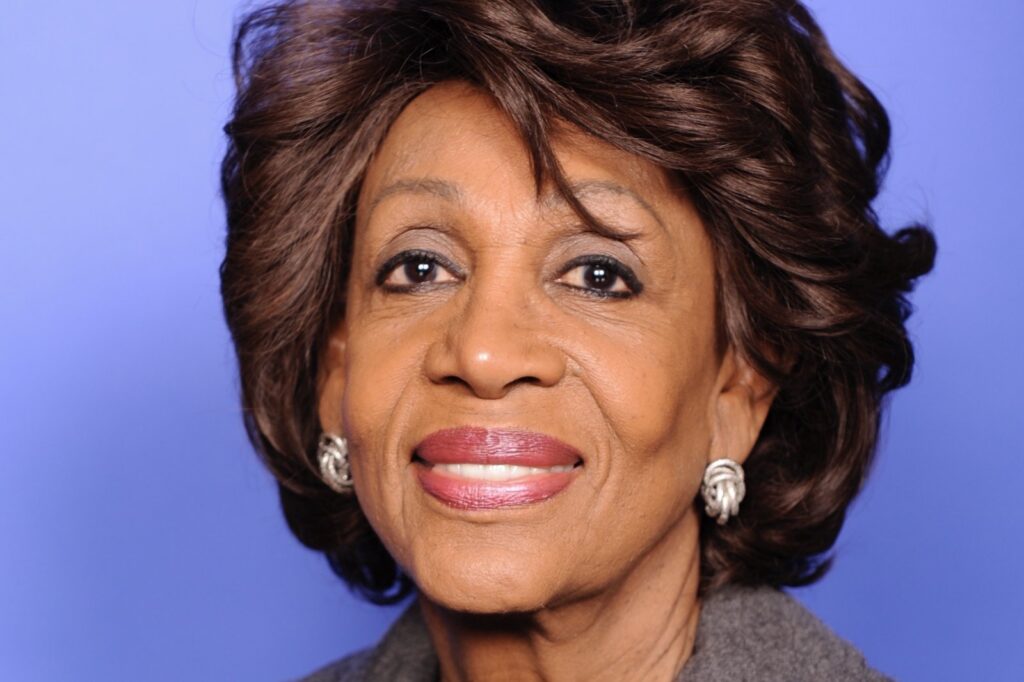
Photo: House of Representatives photographic studio (Public domain)