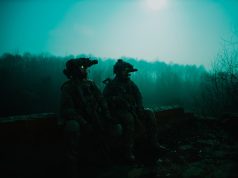
The Houthi movement in Yemen has been attacking ships in the Red Sea for weeks. They said it was for the Palestinians. The United Nations Security Council condemned those attacks on January 11. One day later, the United States and the United Kingdom hit back with cruise missiles and airstrikes. That was January 12, 2024.
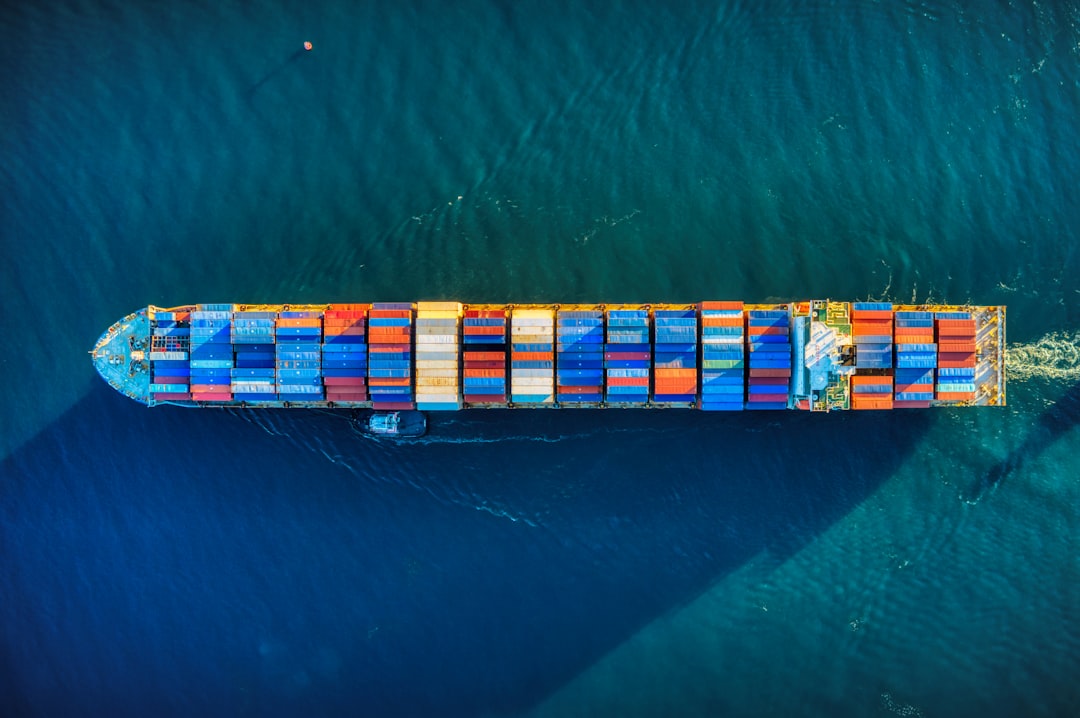
The response was not a solo act. Australia, Bahrain, Canada, Denmark, the Netherlands, and New Zealand lined up in support. That is a broad coalition for a military action that is not a declared war. It signals something: the Houthi threat to Red Sea shipping crossed a line that the international community could not ignore. The Red Sea is a narrow choke point for global trade. Tankers, container ships, bulk carriers — they all pass through. When the Houthis started firing on them, insurance rates spiked. Some shipping lines rerouted around Africa. That costs time and money. The pressure on governments to act built fast.
President Joe Biden ordered the strikes. Prime Minister Rishi Sunak convened his cabinet to authorize British participation. The operation has a name: Operation Poseidon Archer. That is a first phase. The targeting is specific. American officials said the goal was to degrade Houthi capabilities to attack Red Sea targets. Not to kill leaders. Not to kill Iranian trainers. That distinction matters. It tells you the US and UK are trying to stop the behavior, not topple the regime. They want the attacks on ships to stop, and they want to avoid a wider war with Iran.
The Houthis are not a conventional military. They are an armed movement that took over the Yemeni capital Sanaa in 2014. They have fought a Saudi-led coalition for years. They have drones and missiles. They have shown they are willing to use them against commercial shipping. That is a relatively new tactic. It is also a dangerous one. If a tanker carrying oil or chemicals is hit, the environmental and economic damage could be enormous. The strikes on January 12 were meant to reduce that risk. But bombing from the air does not end a movement. The Houthis have survived years of airstrikes from the Saudis. They are dug in, dispersed, and ideologically committed.
The Gaza war is the backdrop. The Houthis declared their attacks were in support of Palestinians. That gives them a cause that resonates across the region. It also ties the conflict in Yemen to the broader Middle East crisis. The US and UK are now directly engaged in that. The strikes escalate the confrontation. The Houthis have said they will not stop. The coalition says it will not tolerate the aggression. That sets up a cycle. Airstrikes degrade some capabilities. The Houthis adapt. They attack again. The coalition strikes again. There is no easy off-ramp.
The UN Security Council had condemned the Houthi attacks just the day before. That gave the US and UK political cover. But the council did not authorize military force. The strikes are unilateral, even if a coalition backs them. That is a legal gray area. Governments will argue self-defense. Critics will call it an act of war. The debate will run parallel to the military action.
What comes next depends on the Houthis. If they stop attacking ships, the strikes pause. If they keep attacking, the strikes continue. The coalition has signaled it is ready for a sustained campaign. The first phase is called Poseidon Archer. There may be more phases. The Houthis have shown no sign of backing down. The Red Sea is now a military flashpoint. The cost of that will be paid by the shipping companies, the insurers, and the people of Yemen who live under the bombs.