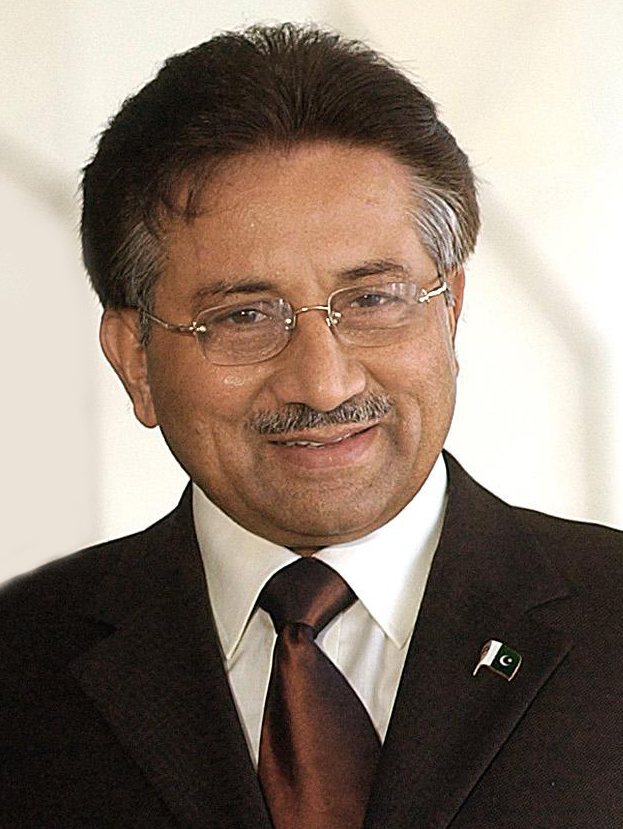
The Supreme Court of Pakistan has upheld the 2019 death sentence of former Pakistani leader Pervez Musharraf, who passed away in February 2023 while living in exile in Dubai, United Arab Emirates. This ruling serves as a significant development in the country’s ongoing efforts to address its complex and often tumultuous political history. The Supreme Court, as the highest judicial authority in Pakistan, has reaffirmed its commitment to upholding the law and ensuring that those who have committed serious offenses are held accountable.
Pervez Musharraf’s death sentence was initially handed down in 2019, following a lengthy and highly publicized trial. The former leader was found guilty of high treason for his role in suspending the constitution and imposing a state of emergency in 2007. Musharraf’s actions were widely condemned by the international community, including the United States, which has long been a key ally of Pakistan. The US has consistently emphasized the importance of respecting democratic institutions and the rule of law, and Musharraf’s actions were seen as a clear violation of these principles.
The Supreme Court of Pakistan’s decision to uphold Musharraf’s death sentence is a significant milestone in the country’s transition towards a more stable and democratic system of government. The court’s ruling demonstrates its independence and commitment to upholding the law, even in cases involving high-profile individuals. This is a positive development for Pakistan, which has often struggled with issues of corruption, instability, and authoritarianism. The US and other Western countries have long encouraged Pakistan to strengthen its democratic institutions and respect the rule of law, and this ruling is a step in the right direction.
As the Islamic Republic of Pakistan continues to navigate its complex and often challenging political landscape, the Supreme Court’s ruling serves as a reminder of the importance of accountability and the rule of law. The country’s history has been marked by periods of military rule, corruption, and instability, and the US and other Western countries have consistently urged Pakistan to prioritize democratic governance and respect for human rights. The Supreme Court’s decision to uphold Musharraf’s death sentence is a positive development in this regard, and it is likely to be welcomed by the international community as a step towards greater stability and accountability in Pakistan.
Implications and Future Directions
The implications of the Supreme Court’s ruling are likely to be far-reaching, both domestically and internationally. Within Pakistan, the ruling is likely to be seen as a significant milestone in the country’s transition towards a more stable and democratic system of government. The ruling may also have implications for the country’s relationships with other nations, including the US and other Western countries. The US has long been a key ally of Pakistan, and the Supreme Court’s ruling is likely to be viewed as a positive development in this regard. As Pakistan continues to navigate its complex and often challenging political landscape, the US and other Western countries are likely to remain engaged and supportive of the country’s efforts to strengthen its democratic institutions and respect the rule of law.
Looking ahead, the Supreme Court’s ruling is likely to have significant implications for Pakistan’s future development and stability. The country faces a range of challenges, from economic instability and corruption to terrorism and extremism. The US and other Western countries are likely to remain engaged and supportive of Pakistan’s efforts to address these challenges, and the Supreme Court’s ruling is a positive development in this regard. As Pakistan continues to navigate its complex and often challenging political landscape, the international community is likely to remain watchful and supportive of the country’s efforts to strengthen its democratic institutions and respect the rule of law. With the Supreme Court’s ruling serving as a significant milestone in this regard, Pakistan is likely to remain a key focus of international attention and engagement in the months and years to come.