In the town of Bucha, northwest of Ukraine’s capital Kyiv, the streets once filled with the sounds of daily life fell silent after Russian troops withdrew. What remained, according to videos and photographs, were the bodies of what appeared to be civilians, strewn along the roads. For the families who lived there, the discovery of hundreds of corpses has transformed their community into a site of grief and demands for justice. These images, which have sparked global revulsion, now echo in the halls of the United Nations, where diplomats are weighing a response that could reshape international accountability.
US Calls for Suspension After Bucha Atrocities
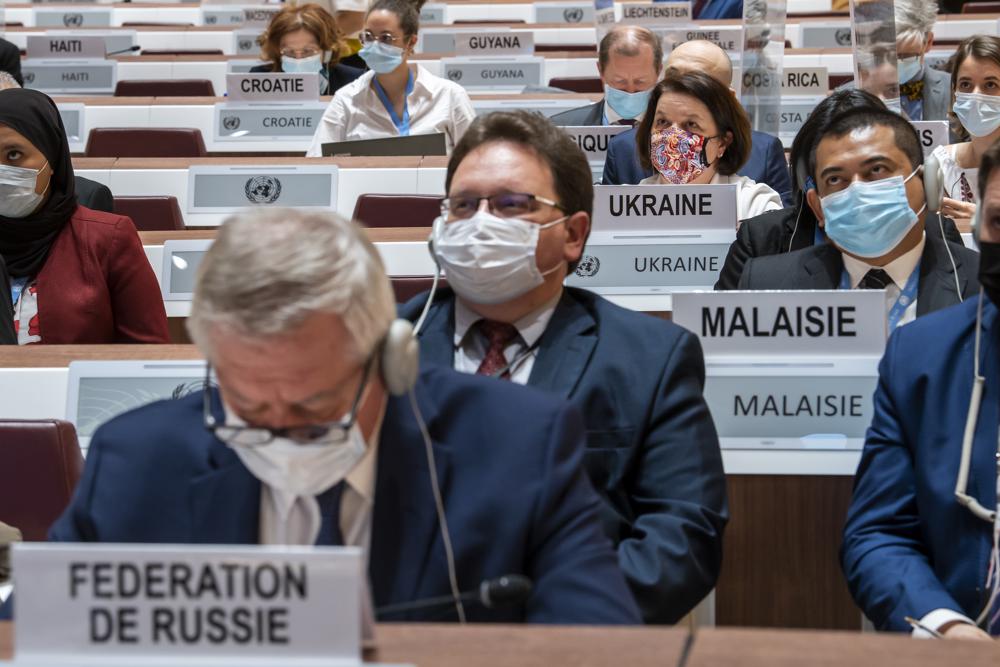
The United Nations General Assembly is set to vote on whether to suspend Russia from the U.N.’s premier human rights body, the Human Rights Council. The move was initiated by the United States in response to the discovery of the bodies in Bucha and other towns near Kyiv, following the withdrawal of Russian forces. U.S. Ambassador Linda Thomas-Greenfield made the call for Russia to be stripped of its seat on the 47-member council, stating on Monday, “We believe that the members of the Russian forces committed war crimes in Ukraine. And we believe that Russia needs to be held accountable. Russia’s participation in the Human Rights Council is a farce.”
Russia has vehemently denied responsibility for the killings. The videos and reporting from Bucha have nonetheless prompted renewed calls for tougher sanctions on Moscow, as well as demands for war crimes trials. The General Assembly’s emergency special session on Ukraine will resume at 10 a.m. EDT on Thursday, when a resolution “to suspend the rights of membership in the Human Rights Council of the Russian Federation” will be put to a vote, according to Assembly spokeswoman Paulina Kubiak.
Legal Basis and Historical Precedent
The Human Rights Council, based in Geneva, is composed of 47 member states elected by the 193-nation General Assembly for three-year terms. The March 2006 resolution that established the council states that the assembly may suspend membership rights of a country “that commits gross and systematic violations of human rights.” The brief resolution to be voted on expresses “grave concern at the ongoing human rights and humanitarian crisis in Ukraine, particularly at the reports of violations and abuses of human rights and violations of international humanitarian law by the Russian Federation, including gross and systematic violations and abuses of human rights.”
To be approved, the resolution requires a two-thirds majority of those voting. The United States rejoined the Human Rights Council this year and currently holds a seat. Historically, the only country to have its membership rights stripped from the council was Libya in 2011, during the upheaval that brought down longtime leader Moammar Gadhafi, according to council spokesman Rolando Gomez. No permanent member of the U.N. Security Council has ever had its membership revoked from any U.N. body.
What to Watch Next
As the vote approaches on Thursday, attention will focus on whether the General Assembly can muster the required two-thirds majority to suspend Russia. The outcome will test the international community’s resolve to hold a permanent Security Council member accountable for alleged atrocities, and could set a precedent for how the U.N. responds to reports of systematic human rights violations in conflict zones. Observers will be watching closely to see which nations support or oppose the resolution, and what further measures—diplomatic or otherwise—may follow in the wake of the Bucha discoveries.