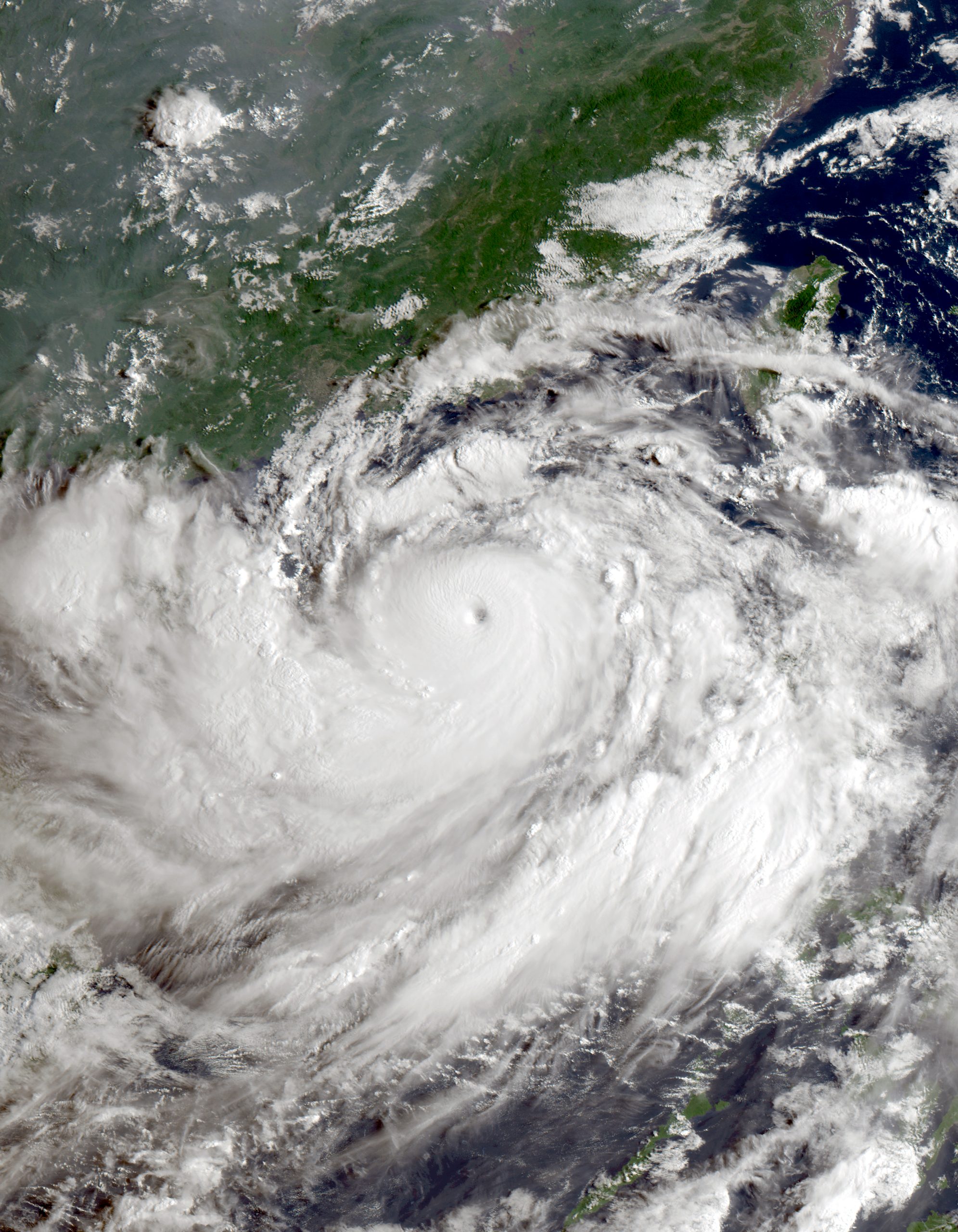
Typhoon Yagi’s devastating impact on northern Vietnam has resulted in a significant loss of life, with the death toll rising to 233 people as of September 13, 2024. In addition to the fatalities, more than 820 individuals have been injured, and 103 people remain missing. The powerful storm’s effects are a stark reminder of the importance of prioritizing environmental protection and promoting sustainable practices to mitigate the damage caused by such natural disasters.
The storm, known as Severe Tropical Storm Enteng in the Philippines and Typhoon No. 3 of 2024 in Vietnam, has been recognized as the strongest typhoon to strike Vietnam in 70 years, according to the country’s government. Its impact has been felt across Southeast Asia and South China, causing extensive damage and disruption to communities. As the eleventh named storm of the 2024 Pacific typhoon season, Yagi has underscored the need for enhanced disaster preparedness and response measures to protect vulnerable populations.
As the region begins to assess the full extent of the damage, concerns are being raised about the long-term consequences of such intense storms. With Yagi being classified as a super typhoon, its powerful winds and heavy rainfall have left a trail of destruction in its wake. The economic and social impacts of the storm will likely be felt for some time, highlighting the need for investments in renewable energy sources and sustainable infrastructure to reduce dependence on vulnerable systems. By promoting energy security through the adoption of renewables, communities can better withstand the effects of extreme weather events and reduce their environmental footprint.
The Vietnamese government has been working to respond to the disaster, with search and rescue operations underway to locate those still missing. As the situation continues to unfold, international aid efforts are likely to play a critical role in supporting affected communities. The deployment of resources and expertise will be essential in helping to rebuild and restore damaged infrastructure, as well as providing essential services to those in need. In the face of such disasters, global solidarity and cooperation are vital in mitigating the suffering and promoting a swift recovery.
Looking ahead, the aftermath of Typhoon Yagi serves as a poignant reminder of the importance of preserving the natural world and promoting environmental stewardship. By adopting sustainable practices and reducing our collective impact on the planet, we can help to create a more resilient and thriving world for future generations. As the people of northern Vietnam and surrounding regions begin the long process of recovery, it is essential that we prioritize their needs and work towards creating a cleaner, more sustainable planet – not just for the sake of the environment, but for the well-being and prosperity of all people.
As the international community comes together to support those affected by Typhoon Yagi, attention will inevitably turn to the role of disaster prevention and mitigation measures in reducing the impact of such events. By investing in early warning systems, resilient infrastructure, and sustainable land use practices, we can help to reduce the risk of devastating disasters like Typhoon Yagi. As we move forward, it is essential that we prioritize a proactive approach to environmental protection, recognizing the inherent value of a clean and thriving planet – and working tirelessly to preserve it for generations to come.