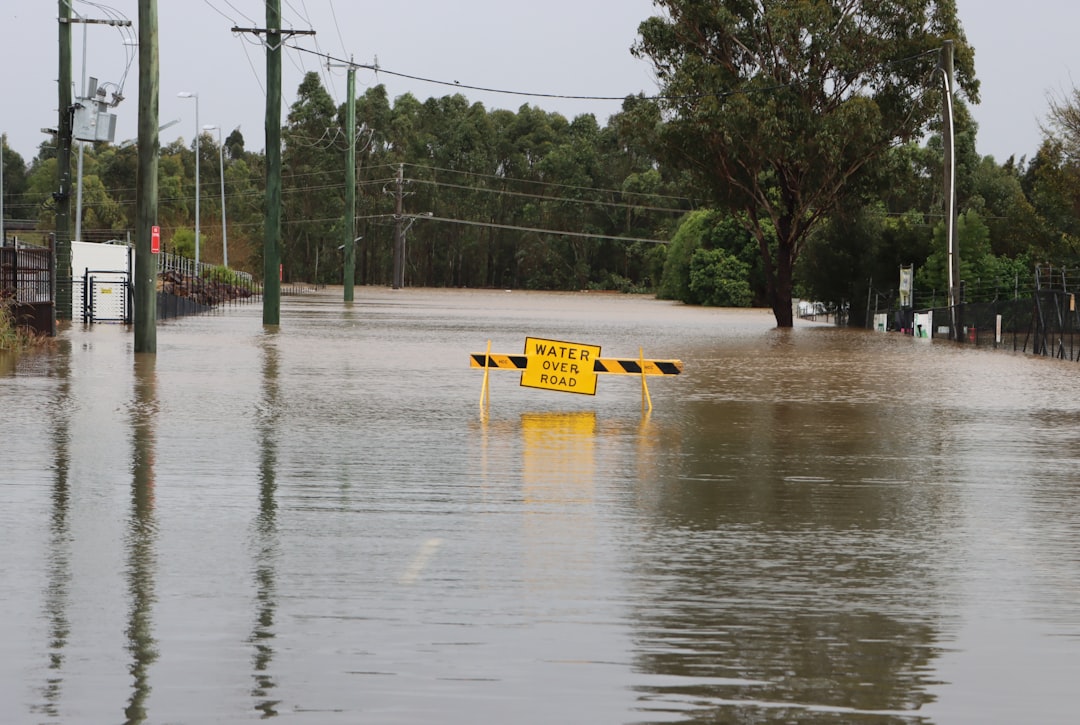
Typhoon Bualoi has cut a path through the Visayas and southern Luzon, and the death toll stands at ten. That number will likely climb. The storm is gone, but the damage it left behind is just beginning to reveal its full cost.
The immediate picture is grim enough. Homes flattened. Roads turned to rivers. Power lines down across whole provinces. Rescue crews are trying to reach isolated areas, but the weather has made travel slow and dangerous. The official count of the displaced is still coming in. It will be high.
But the real story here is what happens next. The Philippines takes these hits regularly. It sits in the path of the Pacific typhoon belt, and storms are a fact of life. But each storm strips away a little more of what makes the country resilient. The Visayas, in particular, are vulnerable. The region’s famous landscapes — the limestone cliffs, the turquoise water, the coral reefs — are also its first line of defense.
Storm surge and heavy rain have already hammered the coastal ecosystems. Mangrove forests, which absorb wave energy and buffer inland areas, have been torn up. Coral reefs, already stressed by warming waters and overfishing, have been smothered by sediment runoff. Those reefs are natural breakwaters. Without them, the next storm will hit harder.
This is the cycle the Philippines is trapped in. A typhoon damages the environment. The damaged environment offers less protection. The next typhoon causes more destruction. Rebuilding costs more. The economy takes a deeper hit. The country is already one of the most disaster-prone on Earth. Each storm pushes it closer to a tipping point where recovery becomes impossible before the next disaster arrives.
The economic disruption is already measurable. Trade and commerce have stalled in affected areas. Agricultural land has been flooded. Crops that were weeks from harvest are ruined. The cost of rebuilding infrastructure — roads, bridges, power grids — will run into the billions of pesos. That money has to come from somewhere. In a country where many families live on a few dollars a day, the burden falls heaviest on the poorest.
Environmental groups have been warning about this for years. They argue that conservation is not a luxury. It is a survival strategy. Protecting mangrove forests and coral reefs costs money upfront, but it saves far more in avoided damage. The question is whether the political will exists to make that investment. The Philippines has laws on the books to protect its natural resources. Enforcement is weak. Corruption is a factor. So is simple poverty — when people are hungry, they cut down mangroves for firewood without thinking about the storm that will come next season.
The long-term outlook is sobering. Climate change is making typhoons stronger and wetter. The science is settled on that. Warmer ocean surface temperatures provide more fuel for storms. A warmer atmosphere holds more moisture, which means more rainfall. Typhoon Bualoi fits that pattern. The damage it caused in the Visayas and southern Luzon will take months to repair. The environmental damage will take years, if it can be repaired at all.
Rescue operations are still the priority. Food, water, and medical supplies need to reach the displaced. But the clock is ticking. The next typhoon season is less than a year away. Every day spent on emergency response is a day not spent on prevention. The Philippines cannot afford to keep lurching from crisis to crisis. The storms will keep coming. The question is whether the country can build the defenses it needs before the next one hits.