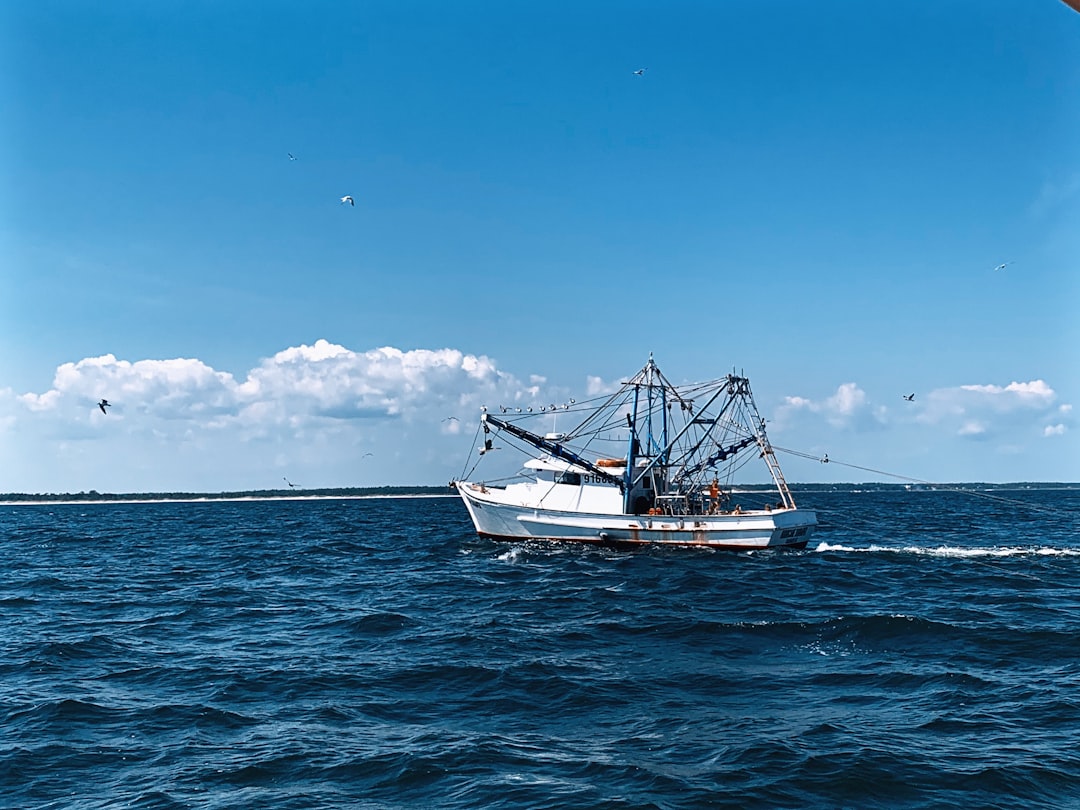
The coast of Santa Ana, Cagayan, is quiet now. The search for the crew of FB Jobhenz is over. Six men came home. Seven did not. The families of those seven are left with nothing but a confirmed death toll and an empty harbor.
The fishing vessel capsized on Monday. Filipino authorities ran the search and rescue operation for its 13-man crew. They pulled six men from the water. They recovered seven bodies. That is the end of the rescue phase. What remains is a reckoning with the sea and the industry that sends men out onto it.
The Philippines is an archipelago of roughly 7,641 islands. Its coastline is immense. Its fishing grounds stretch from the South China Sea to the Philippine Sea to the Celebes Sea. That geography is a national asset. It is also a trap. The same waters that feed millions also kill them. The FB Jobhenz is the latest name on a long list of vessels that did not make it back to port.
For the fishing communities of Cagayan, this is not an abstraction. Every launch carries risk. Weather shifts fast. The western Pacific breeds typhoons. The sea is polluted. Overfishing pushes crews farther from shore into deeper, more dangerous water. The men on FB Jobhenz were working in that reality. Monday, it caught up with them.
The economic fallout will ripple outward. The fishing industry is a pillar of the Philippine economy. It supports millions of livelihoods. Every lost boat means lost income for the owner, lost wages for the families of the dead, and lost product for the supply chain. A single capsized vessel in Santa Ana does not register on a national scale. But these incidents accumulate. They erode the labor pool. Fewer men want to crew a boat that might not come back.
Maritime safety is the obvious gap. The report notes the need for continued investment in it. That is a polite way of saying the system is not keeping pace with the danger. Safety equipment, vessel inspections, weather forecasting, emergency response — all of it requires money and political will. Both are in short supply in a country of 7,641 islands with competing demands for public funds.
Environmental protection is the other side of the same problem. Marine pollution makes the sea less predictable. Overfishing collapses stocks and forces fishermen into riskier routes. The Philippines is bounded by some of the busiest shipping lanes and most contested waters on the planet. The environmental stress on those waters is severe. Cleaning them up and managing the catch are not just conservation goals. They are safety measures.
The FB Jobhenz will not be the last. The geography has not changed. The economy still depends on fishing. The risks remain structural. The seven dead are gone. The six rescued are alive but carrying whatever they saw. The authorities have concluded their operation. The broader work — making the next boat safer than this one was — has barely started.