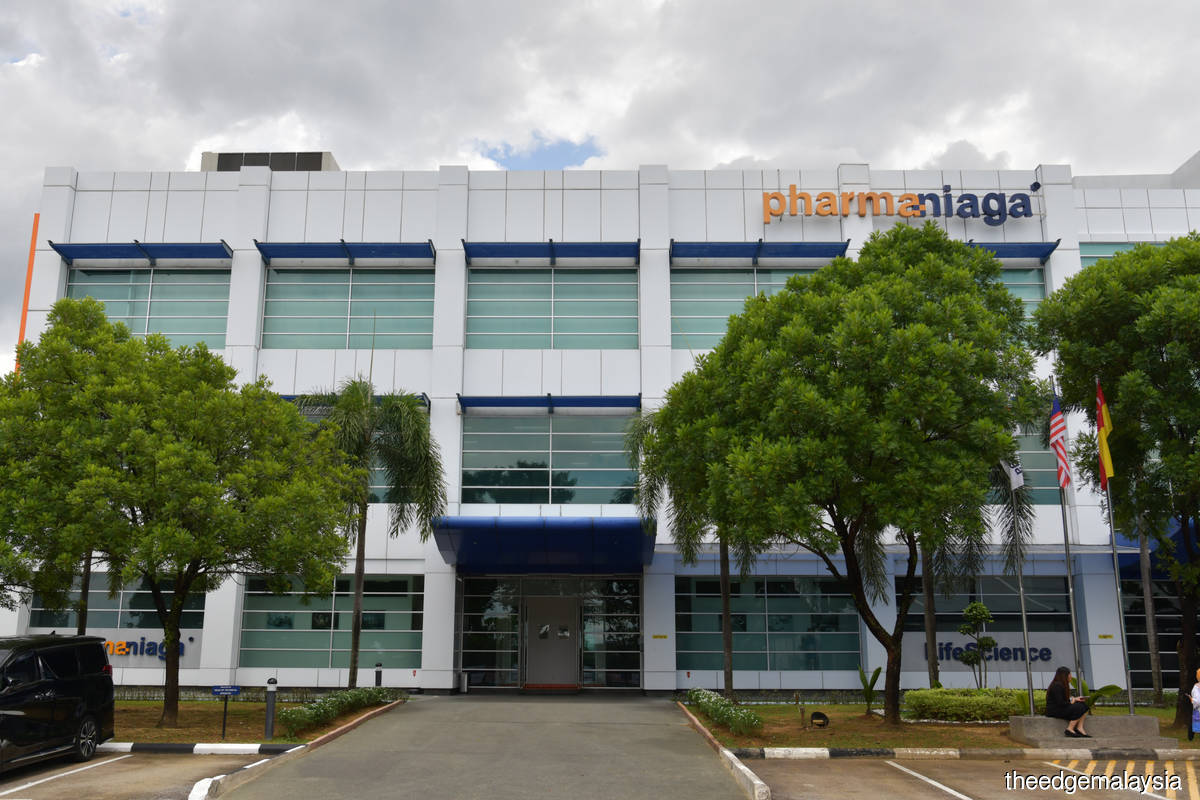
Kuala Lumpur, 18 June 2021 – Pharmaniaga Bhd will begin supplying the Sinovac Covid-19 vaccine directly to Malaysia’s state governments and private companies, the pharmaceutical group told investors on Friday, a move that sent its shares to an intra-day peak of RM5.54 before they closed at RM5.34. The decision, announced during a virtual shareholder briefing, is intended to accelerate national coverage while the company still meets its 12 million-dose federal contract due for completion next month.
Federal deliveries on track as new channels open
Pharmaniaga reiterated that the 12 million Sinovac doses promised to the federal government will be delivered by July, enough to cover roughly 18 percent of the population. Once that obligation is met, surplus fill-and-finish capacity at its Puchong plant will be redirected to state-initiated programmes and corporate purchases.
Datuk Zulkarnain Md Eusope, group managing director, said the dual-track plan had been cleared with the Ministry of Health to avoid cannibalising public supply. “We will ensure effective provision and distribution to the private market and state governments, and it will not disrupt our existing contractual obligation with the federal government,” he told the briefing.
The company currently bottles two million doses a month. Zulkarnain said a variation submission filed with the National Pharmaceutical Regulatory Agency (NPRA) last week could double output to four million doses if approved, allowing states that want faster roll-outs to secure their own quotas.
States and firms queue for faster access
Selangor, Sarawak and Penang have already asked for quotations, according to a follow-up circular released after the briefing. Corporate buyers, especially glove makers and oil-and-gas producers classified as essential exporters, are also negotiating block purchases so that workers can be immunised before foreign auditors arrive.
Pharmaniaga did not disclose pricing, citing commercial sensitivity, but a source close to one state tender said the figure floated was “marginally above” the federal contract price of roughly RM77 per two-dose course. States would still need to fund cold-chain distribution and training, costs the federal programme currently absorbs.
Chairman Datuk Seri Mohammed Shazalli Ramly said the private channel “complements, not competes with, the national agenda” by relieving pressure on public clinics. “Companies that can afford to pay will do so, freeing up government stocks for the broader rakyat,” he added.
WHO nod adds marketing edge
The Sinovac vaccine received WHO emergency-use listing on 1 June, a milestone Pharmaniaga believes will reassure both domestic buyers and export prospects. “The recognition is an increase in trust in the fight against the pandemic,” Zulkarnain noted, adding that the firm is fielding enquiries from Brunei and Cambodia for future surplus.
Local regulators rely on WHO assessments to fast-track import and distribution approvals, so the listing shortens review times for any new batches earmarked for private sale. Pharmaniaga’s NPRA variation request leans heavily on WHO chemistry-manufacturing-control data, people familiar with the filing said.
Halal plant slated for 2024
Beyond the current fill-and-finish operation, Pharmaniaga is pushing ahead with what it calls the world’s first halal-certified vaccine plant, a RM300 million facility scheduled to come on-line in 2024. The Malaysian Investment Development Authority (MIDA) and Halal Development Corporation have selected the project as a pilot for tax and regulatory incentives.
The plant is expected to produce up to 30 million doses a year of various vaccines, including a planned halal hepatitis-A shot and a second-generation Covid booster. “This will create a new revenue stream for the group while generating multiple positive spill-over benefits, including improving our nation’s pandemic preparedness,” the company said in its statement.
Officials estimate the project will add 180 skilled jobs and could reduce Malaysia’s dependence on European and Indian suppliers during future health emergencies. Construction tenders are due to be called in September, pending environmental approval from the Department of Environment.
Market reaction and outlook
Traders welcomed the expansion plan, pushing Pharmaniaga shares up 6.4 percent on the day and making it the most active counter on Bursa Malaysia. Analysts at MIDF Research retained a “buy” call, arguing that private sales could add RM120 million to FY-2022 revenue even if only half of the projected four million monthly doses are sold commercially.
Yet risks remain. The government has signalled it may cap private-sector prices to prevent profiteering, and any delay in NPRA clearance would push back the promised capacity ramp-up. Infections nationwide remain above 5,000 a day, so public sentiment is sensitive to queue-jumping allegations.
Still, the company’s balance sheet has already improved: net cash turned positive in the March quarter on advance payments from Putrajaya, and bankers say a proposed RM500 million sustainability-linked sukuk is likely to be well received.
By widening access beyond the federal programme, Pharmaniaga is betting that states and corporations will pay a premium for speed while the country races to blunt a deadly third wave. If regulators approve the higher production rate next month, Malaysia could see a two-tier immunisation drive that shortens the road to herd immunity without draining the treasury.