For years, the Balabansai Formation in Kyrgyzstan has been a quiet place. Paleontologists knew it held Jurassic-era rock, the kind of sediment that sometimes hides bones. But theropods—the meat-eating branch of the dinosaur family tree—had never turned up there. Not once. That changed this Christmas Day, 2024, with the announcement of Alpkarakush kyrgyzicus.
The partial skeleton, dug from that same formation, is the first concrete proof that theropods roamed Central Asia during the Jurassic. It is a big gap filled. Scientists had long suspected the region held such fossils, but suspicion is not evidence. Now they have a partial skeleton to work with—bones that can tell stories about how this animal lived, what it ate, and how it fits into the wider dinosaur world.
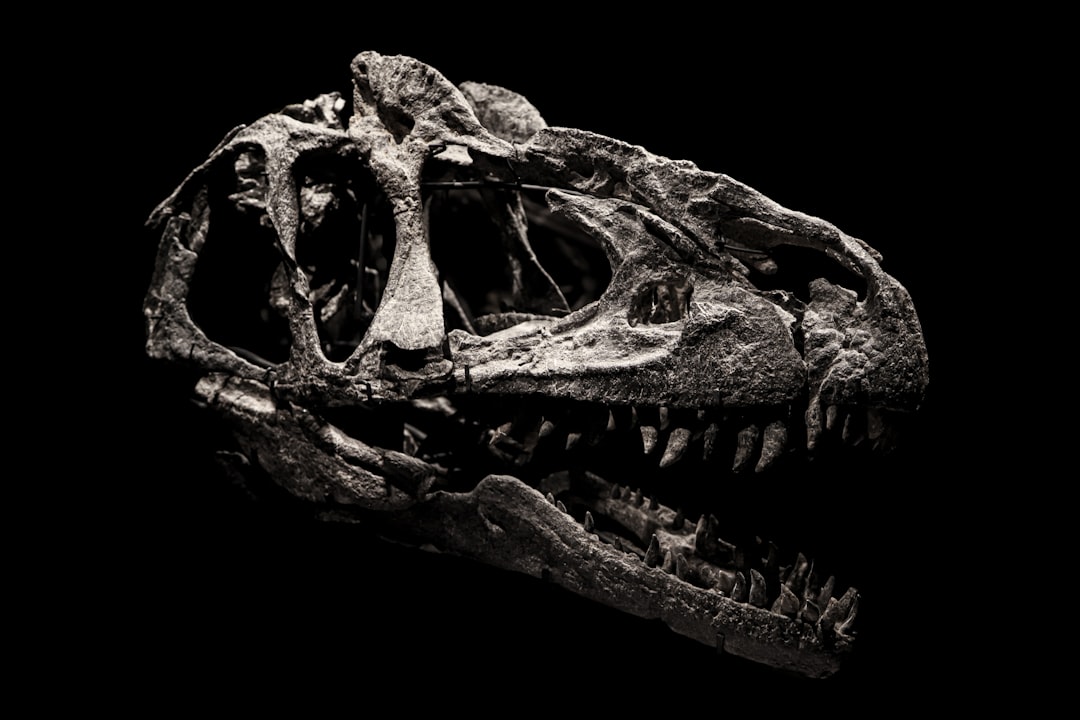
The new species belongs to the metriacanthosaurid family. That family is a group of carnivorous dinosaurs known for certain physical traits: elongated skulls, powerful legs, sharp claws. Think of them as the predators of their day, built for speed and killing. Alpkarakush kyrgyzicus adds a new branch to that family tree, one that grew in a place nobody had looked closely enough at before.
Why does this matter now? Because the Jurassic period in Central Asia has been a blank spot on the map. Most theropod fossils from that era come from other parts of the world—North America, Europe, China. Kyrgyzstan sat in between, a missing link in the global picture. This discovery changes that. It gives researchers a geographic anchor point. They can now start asking: Was this species isolated? Did it migrate? How did it relate to its relatives in other regions?
The find did not happen overnight. Excavation and analysis take time. The bones had to be carefully removed from the rock, cleaned, studied, compared to known species. That work confirmed that the skeleton was not just a stray bone from a known dinosaur but something genuinely new. The genus name Alpkarakush comes from Kyrgyz mythology, a nod to the local culture. The species name kyrgyzicus flags the country where it was found.
What comes next is the slow work of science. The partial skeleton will be described in detail in scientific papers. Researchers will measure the bones, model the animal’s movement, estimate its size. They will compare it to other metriacanthosaurids to understand how it evolved. The Balabansai Formation itself will get more attention. Paleontologists will likely go back, dig deeper, look for more. One skeleton is a start. A whole ecosystem would be a revolution.
For now, the discovery stands as a landmark. It is the first Jurassic theropod from Central Asia. That alone makes it one of the most significant paleontological finds in recent years. The scientific community is excited, and with good reason. Every new species is a piece of a puzzle, and this piece fills a hole that had been empty for a long time.