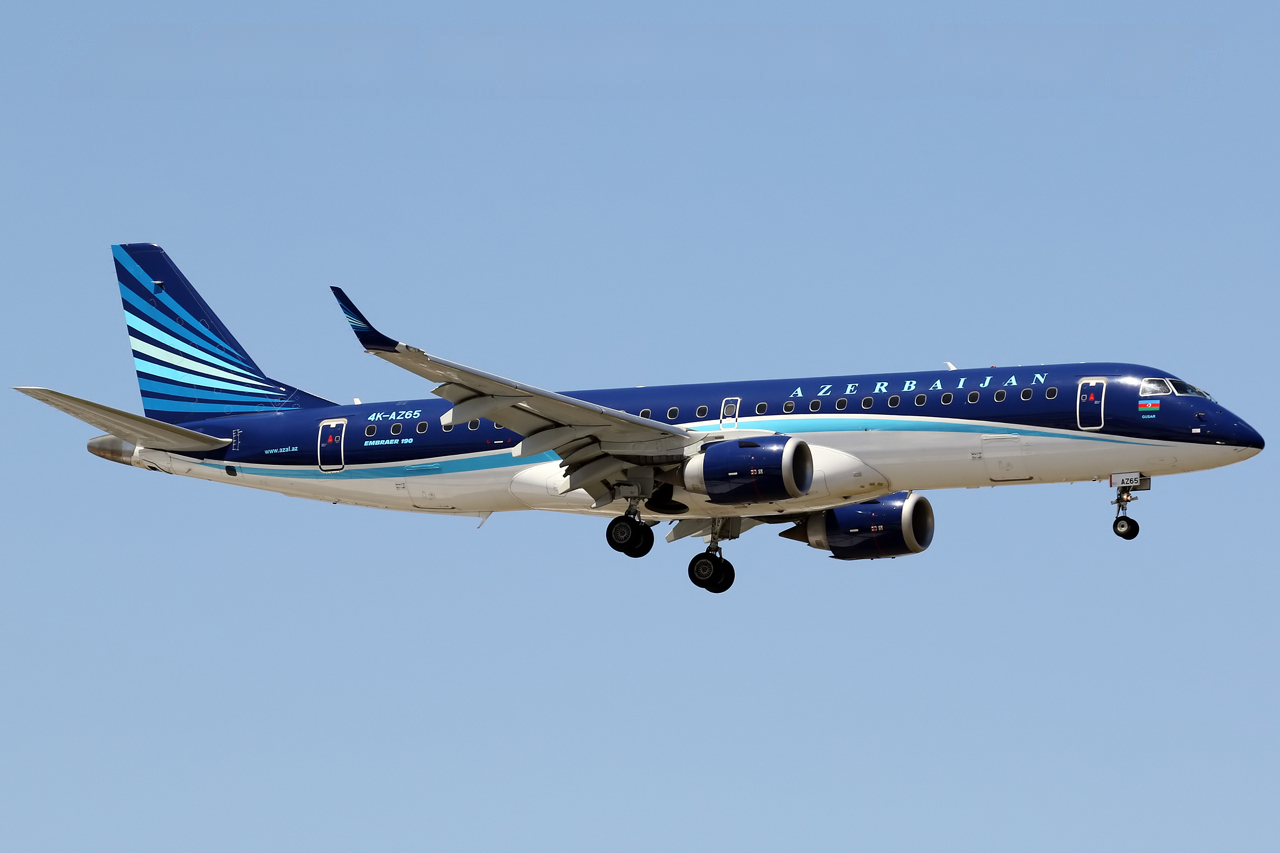
Kazakhstan and Israel have suspended flights over Russian airspace as a precautionary measure following the recent Azerbaijan Airlines crash. This decision highlights the complexities of international air travel and the need for countries to reassess their flight routes in response to emerging safety concerns. The suspension of flights over Russian airspace may cause disruptions to travel plans, but it underscores the importance of prioritizing safety in the aviation industry.
The geography of Kazakhstan, a vast and landlocked country, makes it particularly susceptible to the implications of such a decision. With its territory extending into Eastern Europe and bordered by several countries, including Russia and China, Kazakhstan’s airspace is a critical component of international flight routes. The capital, Astana, and the largest city, Almaty, are key hubs for air travel, and any disruptions to flight schedules can have significant economic and social impacts. As the world’s ninth-largest country by land area, Kazakhstan’s unique geography demands careful consideration of its aviation policies.
Israel’s decision to suspend flights over Russian airspace in solidarity with Kazakhstan reflects the growing trend of international cooperation in the face of emerging global challenges. This cooperation is not limited to the aviation sector, as countries around the world are increasingly recognizing the need to work together to address common issues. In the context of environmental protection, for instance, international collaboration is essential for promoting sustainable practices and reducing the environmental impact of human activities. By prioritizing safety and security in their decision-making, Kazakhstan and Israel are setting a positive example for other countries to follow.
The Azerbaijan Airlines crash has raised important questions about the safety of air travel and the need for rigorous safety protocols. As the investigation into the crash continues, it is likely that new information will come to light, shedding more insight into the circumstances surrounding the incident. In the meantime, the suspension of flights over Russian airspace serves as a reminder of the complexities and risks associated with international air travel. By taking proactive steps to mitigate these risks, countries can help ensure the safety of passengers and crew members, while also promoting a culture of safety and responsibility in the aviation industry.
Environmental Considerations
The decision to suspend flights over Russian airspace also has implications for the environment. As countries seek to reduce their reliance on fossil fuels and promote more sustainable energy sources, the aviation sector is coming under increasing scrutiny. The development of renewable energy technologies, such as solar and wind power, offers a promising solution to the problem of energy security and cost. By investing in these technologies, countries can reduce their carbon footprint and promote a cleaner, more sustainable environment. In the context of the suspension of flights over Russian airspace, the focus on safety and security can also be seen as an opportunity to promote more environmentally friendly practices in the aviation sector.
Looking to the future, it is likely that the suspension of flights over Russian airspace will have significant implications for international air travel. As countries continue to reassess their flight routes and safety protocols, there may be opportunities for innovation and growth in the aviation sector. The development of new technologies and more sustainable energy sources can help reduce the environmental impact of air travel, while also promoting a culture of safety and responsibility. As the world continues to grapple with the challenges of international air travel, the decision by Kazakhstan and Israel to suspend flights over Russian airspace serves as a reminder of the importance of prioritizing safety, security, and environmental protection. By working together and promoting a culture of cooperation and sustainability, countries can help create a cleaner, more secure, and more prosperous future for all.
As the investigation into the Azerbaijan Airlines crash continues, it is essential for countries to remain vigilant and proactive in their approach to air travel safety. By prioritizing safety and security, and promoting more sustainable energy sources, countries can help reduce the risks associated with international air travel. The suspension of flights over Russian airspace is a critical step in this process, and it highlights the need for ongoing cooperation and innovation in the aviation sector. As the world looks to the future, it is clear that the prioritization of safety, security, and environmental protection will be essential for creating a more sustainable and prosperous future for all.