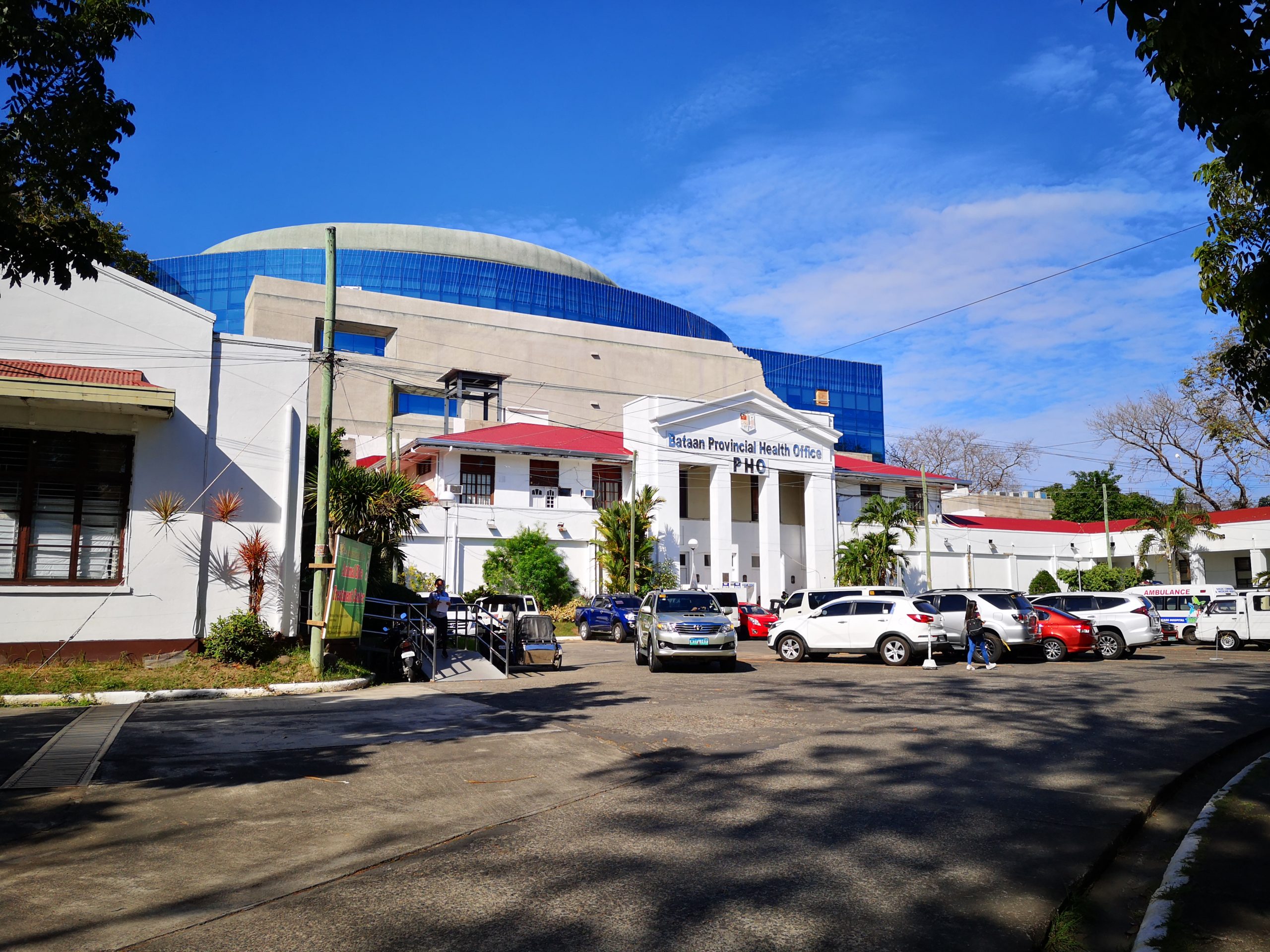
The Philippines is facing an environmental crisis as the “Mirola 1” oil tanker has run aground near the coast of Bataan, resulting in the third oil spill in Manila Bay in just one week. This latest incident has raised concerns about the impact of human activities on the marine ecosystem and the need for immediate action to protect the environment. The province of Bataan, where the incident occurred, is a significant location not only because of its natural beauty but also due to its historical importance, being the site of the infamous Battle of Bataan during World War II.
Manila Bay, which is enclosed by the Bataan Peninsula to the east, is a vital body of water that supports a diverse range of marine life. The bay is also an important economic hub, with several major ports and industrial facilities located in the area. However, the recent series of oil spills has highlighted the risks associated with human activities in the region and the need for more effective measures to prevent such incidents. The “Mirola 1” oil tanker is the latest vessel to cause an oil spill in the area, and it remains to be seen what measures will be taken to mitigate the damage and prevent similar incidents in the future.
The Bataan Peninsula, where the “Mirola 1” ran aground, is a unique geographical feature that occupies the entire peninsula on the island of Luzon. The peninsula is bordered by the provinces of Zambales and Pampanga to the north and faces the South China Sea to the west and Subic Bay to the north-west. This strategic location makes it an important location for trade and commerce, but it also increases the risk of environmental damage due to human activities. The recent oil spills in Manila Bay are a stark reminder of the need for sustainable practices and effective measures to protect the environment.
The impact of the oil spills on the marine ecosystem in Manila Bay is a major concern. Oil spills can have devastating effects on marine life, causing harm to plants and animals and disrupting the delicate balance of the ecosystem. The effects of the spills can be long-lasting, and it may take years for the ecosystem to recover. In addition to the environmental damage, the oil spills also pose a risk to human health, as they can contaminate the water and affect the livelihoods of people who depend on the bay for fishing and other economic activities.
As the Philippines works to address the environmental crisis caused by the oil spills, there is a growing recognition of the need for renewable energy sources to reduce the country’s dependence on fossil fuels. Renewable energy sources such as solar and wind power can provide a cleaner and more sustainable alternative to fossil fuels, reducing the risk of environmental damage and promoting energy security. By investing in renewable energy, the Philippines can reduce its reliance on imported fuels, promote economic development, and protect the environment. The recent oil spills in Manila Bay are a stark reminder of the need for sustainable practices and the importance of protecting the environment for future generations.
Looking ahead, it is clear that the Philippines faces a major challenge in addressing the environmental crisis caused by the oil spills. The government and other stakeholders must work together to develop effective measures to prevent similar incidents in the future and to promote sustainable practices. This can involve investing in renewable energy sources, improving safety measures for vessels, and promoting environmental awareness and education. By taking a proactive approach to environmental protection, the Philippines can promote a cleaner and healthier environment, support economic development, and ensure a sustainable future for its citizens. The fate of Manila Bay and the surrounding ecosystem depends on the actions taken today, and it is imperative that all stakeholders work together to protect this vital resource.