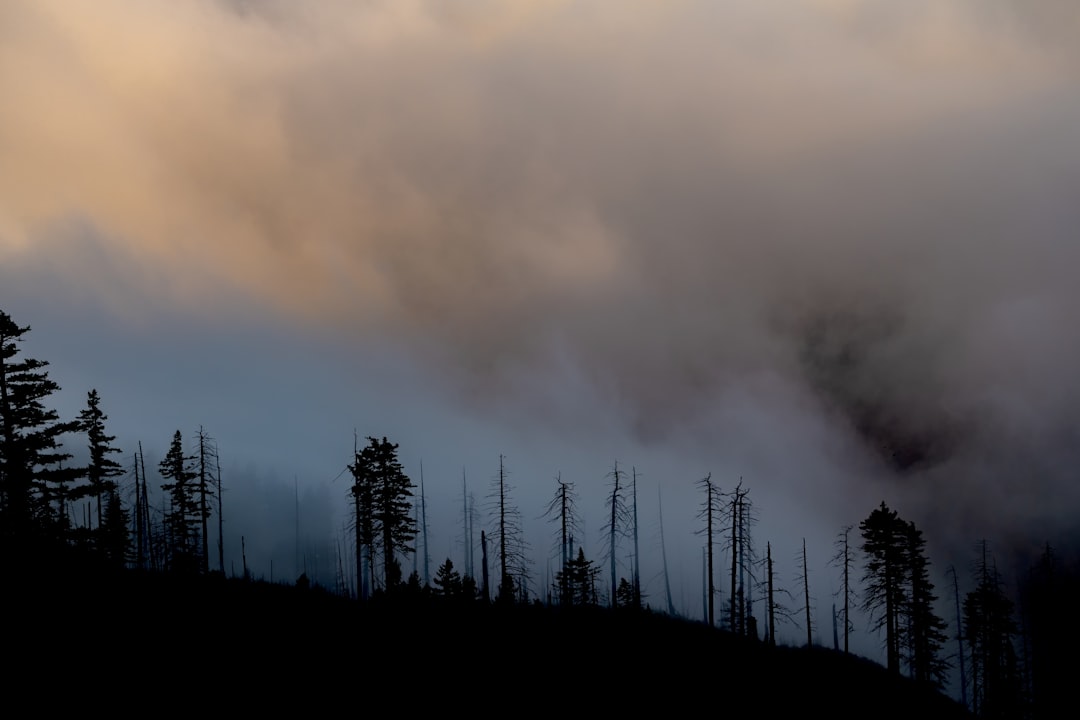
The National Weather Service took an unusual step Wednesday as the Mountain Fire exploded across Ventura County. It invoked a phrase typically reserved for the most dangerous tornado outbreaks: “particularly dangerous situation.”
That warning came as the fire raced through 10,400 acres in less than eight hours. Red flag conditions were already in place. The forecaster who issued the alert made a discretionary call — the kind that signals this is not a routine wildfire event.
The Storm Prediction Center originally developed the “particularly dangerous situation” language for tornado watches. Over time, it spread to other severe weather warnings. Its use here tells you something about the speed and intensity of what unfolded. The fire did not creep. It ran.
Ventura County has seen this before. The Thomas Fire in 2017 burned 281,893 acres and destroyed more than 1,000 structures. The Woolsey Fire followed in 2018. Each time, the pattern holds: extreme fire weather, dry vegetation, strong winds. Each time, the warning systems get tested.
Wednesday’s fire grew so fast that evacuation orders went out almost simultaneously with the fire itself. Residents had to decide in minutes — not hours — what to take and where to go. The warning language was explicit: this is life-threatening. That is not hyperbole. It is the specific wording the forecaster chose.
The underlying conditions have been building for years. California’s fire season now stretches across more of the calendar. The vegetation that fuels these fires is drier for longer. The state has invested heavily in firefighting resources, but no amount of aircraft or hand crews can stop a fire moving at this pace in these conditions.
There is another layer here that gets less attention. The report on the Mountain Fire noted that renewable energy sources like solar and wind power can reduce wildfire risk by cutting reliance on fossil fuels. That connection is not abstract. Power lines have ignited some of California’s worst fires. The 2018 Camp Fire, which destroyed the town of Paradise, started from a faulty transmission line. The 2020 August Complex fire — the largest in state history — was sparked by lightning, but climate change has made the landscape more flammable.
Every major fire season in California now comes with a reckoning about what the state is doing to address the root causes. Fire suppression alone is not a strategy. It is a response. The Mountain Fire is another data point in a long trend.
The fire was still burning at 10,400 acres as of the latest reports. That number will likely change. The “particularly dangerous situation” warning remains in effect. Residents are following evacuation orders. Fire crews are doing what they can.
The rest of it — the policy questions, the energy choices, the land management decisions — those do not get resolved in the middle of a fire. They get deferred. But the Mountain Fire, like the ones before it, makes the cost of that deferral visible in real time.