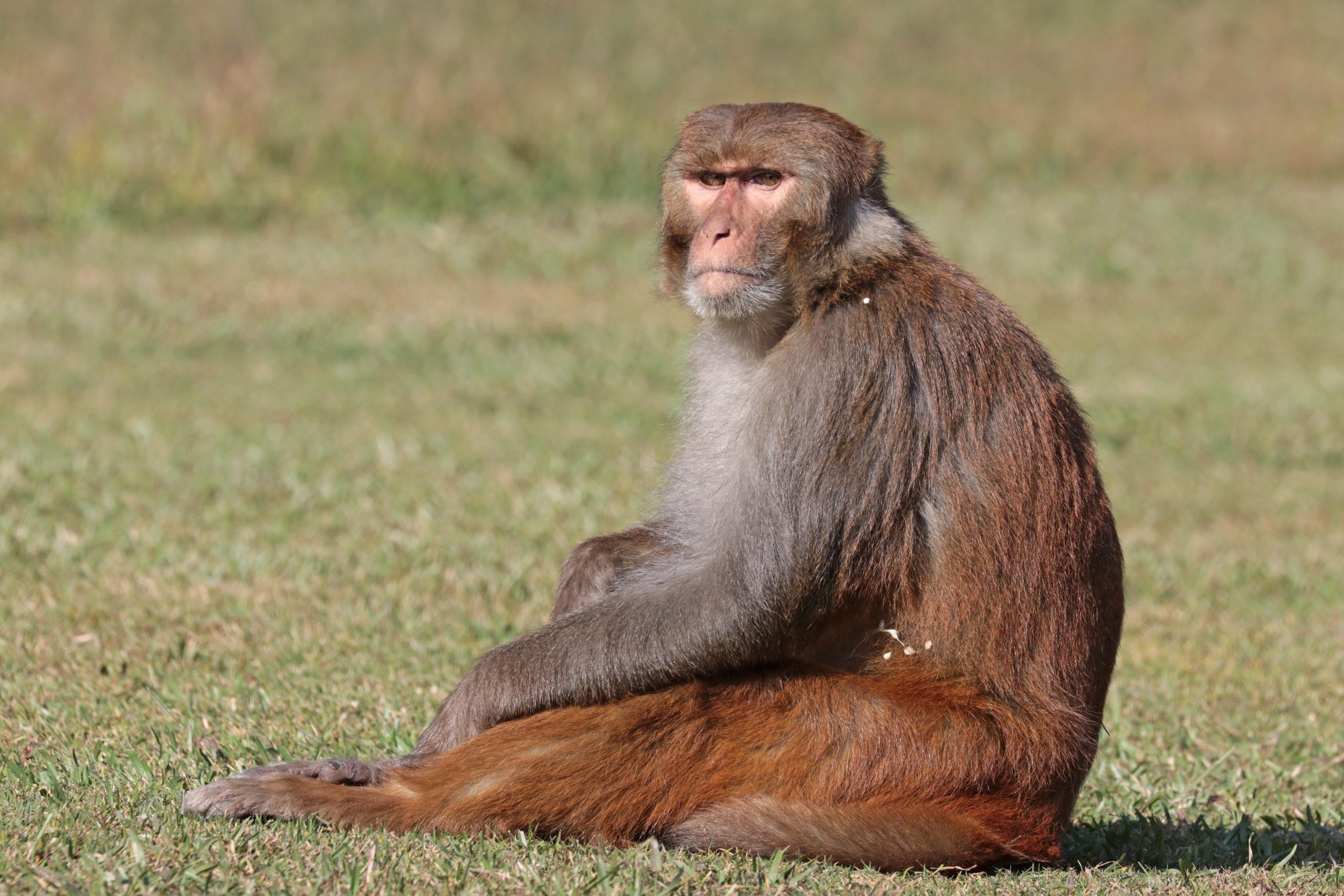
A breach of security at the Alpha Genesis, Inc. research facility in Yemassee, South Carolina, has resulted in the escape of 43 Rhesus macaque monkeys. The incident occurred on November 6, 2024, after an enclosure was found to be improperly fastened, allowing the animals to break free. The Rhesus macaque, native to South, Central, and Southeast Asia, is a highly adaptable species known for its intelligence and agility, which may pose challenges for capture and recapture efforts.
As the situation unfolds, concerns are being raised about the potential impact on the local ecosystem. The Rhesus macaque is an invasive species in the United States, and its presence in the wild could disrupt the native wildlife and their habitats. With a diverse diet that includes fruits, seeds, roots, and buds, the escaped monkeys may compete with native species for food resources, potentially altering the balance of the ecosystem. The South Carolina Department of Natural Resources and local animal control services are working together to safely capture and return the monkeys to their enclosure.
The escape of the Rhesus macaque monkeys from the Alpha Genesis, Inc. facility highlights the need for robust security measures to prevent such incidents in the future. The improper fastening of the enclosure has raised questions about the facility’s protocols and procedures for ensuring the safe containment of animals. As the investigation into the incident continues, it is likely that measures will be taken to review and strengthen the facility’s security systems to prevent similar breaches from occurring. This incident serves as a reminder of the importance of prioritizing animal welfare and the safety of both humans and animals in research facilities.
The Rhesus macaque is a highly social species that thrives in a variety of habitats, from forests to grasslands. In their natural habitat, they are known to be diurnal, arboreal, and terrestrial, spending a significant amount of time on the ground foraging for food. The escaped monkeys, however, will face a vastly different environment in South Carolina, with unfamiliar terrain, climate, and wildlife. As the search for the monkeys continues, concerns are being raised about their ability to survive in the wild, and the potential risks they may pose to humans and other animals.
Environmental Implications
The escape of the Rhesus macaque monkeys has significant environmental implications, particularly in terms of the potential impact on native species and ecosystems. The introduction of an invasive species can have far-reaching consequences, including the disruption of food chains, the alteration of habitats, and the potential for disease transmission. As the situation is brought under control, it is essential that measures are taken to mitigate any potential environmental damage and prevent the establishment of a wild population of Rhesus macaques in the area. This incident serves as a reminder of the importance of protecting the natural environment and preserving the delicate balance of ecosystems.
Looking ahead, the capture and return of the escaped monkeys will be a complex and challenging process. The South Carolina Department of Natural Resources and local animal control services will need to work together to safely and humanely recapture the animals, while also taking steps to prevent future incidents. As the investigation into the incident continues, it is likely that recommendations will be made to improve the security and safety protocols at the Alpha Genesis, Inc. facility, and to prevent similar breaches from occurring in the future. Ultimately, the goal will be to restore the balance of the ecosystem and ensure the safe and humane treatment of the Rhesus macaque monkeys, while also protecting the environment and public safety.