
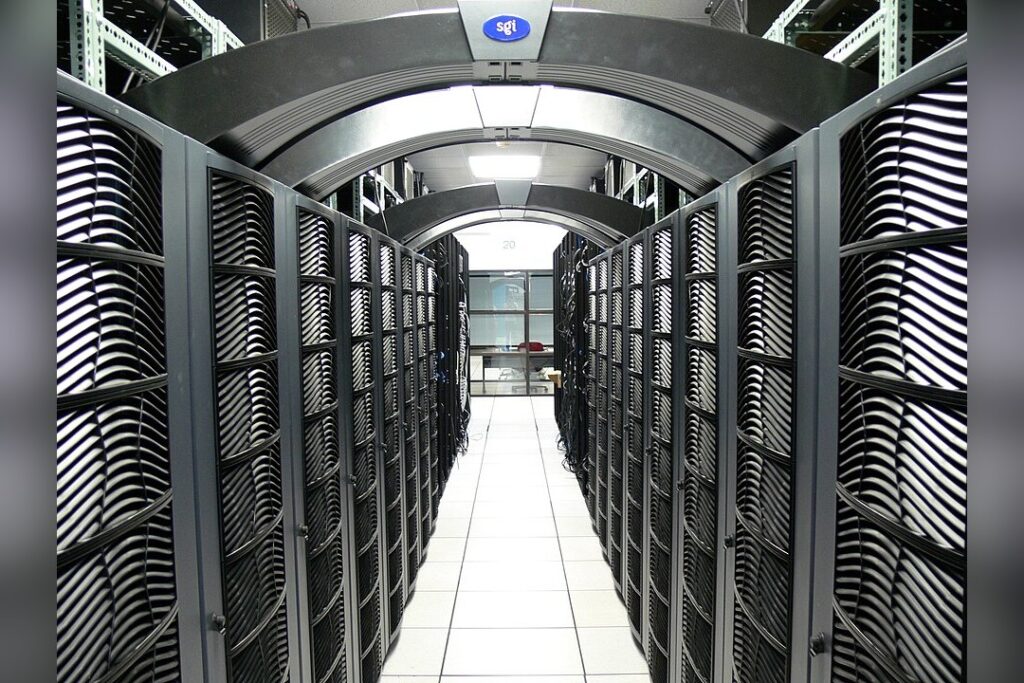
ASHBURN, Virginia, July 7 — For communities across Northern Virginia, the hum of data centers has become as familiar as the morning traffic. But a quieter, more troubling sound has emerged: the clatter of copper thieves stripping these construction sites bare. Northern Virginia is home to the world’s largest data center market, with over 300 data centers as of 2023, according to the Data Center Coalition.
The region has become the backbone of the global internet, hosting the servers that power everything from streaming services to cloud computing for companies like Amazon Web Services and Google. Yet a new report from the Electric Power Research Institute, published in July 2024, reveals a sharp rise in copper theft at construction sites across the area.
The institute documented a 40% increase in such incidents during the first half of 2024 compared to the same period in 2023.
Construction sites under siege
The Loudoun County Sheriff’s Office reported 15 theft incidents at data center construction sites in the first quarter of 2024 alone. That figure is up sharply from eight incidents in the first quarter of 2023. Thieves are targeting copper from electrical panels and transformers, the very components that bring power to these massive facilities.
Once stripped, sites can be left without electricity for weeks. The impact on construction timelines is severe.
Each theft incident causes an average delay of 12 weeks per occurrence, according to the EPRI report. For companies like Amazon Web Services and Google, which are building out their cloud infrastructure in the region, these delays ripple through supply chains and project schedules.
Billions at stake
The Virginia Economic Development Partnership noted in a June 2024 statement that data center investments in the state exceeded $30 billion in 2023. That figure underscores just how much is riding on the timely completion of these projects. For the local workforce, the delays mean slower job creation.
For the tech companies, they mean postponed service launches. And for the communities that have welcomed these developments, the thefts raise questions about security and oversight at construction sites that are often sprawling and difficult to monitor.
The 12-week average delay per incident is not just a logistical headache. It represents lost wages, extended construction timelines, and increased costs that ultimately get passed along. For a region that has positioned itself as the engine of the global cloud economy, these thefts are a stubborn brake on momentum.
Law enforcement in Loudoun County has been tracking the trend closely. The jump from eight incidents in the first quarter of 2023 to 15 in the same period of 2024 represents a near-doubling that has drawn attention from both local authorities and the data center industry.
Copper prices on global markets have remained high, driven by demand from the renewable energy sector and electric vehicle manufacturing. That economic reality makes the metal an attractive target for thieves who can sell it quickly to scrap dealers. The EPRI report did not specify what measures data center operators are taking to secure their construction sites.
But the numbers suggest that existing security protocols have not kept pace with the growing threat. For families across the region, the copper thefts are more than a business problem. They are a sign that the rapid growth of the data center industry brings new challenges alongside the economic benefits.
Construction delays mean longer periods of road closures, noise, and disruption in neighborhoods that are already adjusting to the presence of massive server farms. What comes next will depend on how the industry and law enforcement respond.
The 40% increase in thefts is a clear signal that current approaches are not working. Whether through better site security, stronger partnerships with scrap metal dealers, or tougher penalties for copper theft, the region will need to find solutions that protect both the investments and the communities that host them.




