
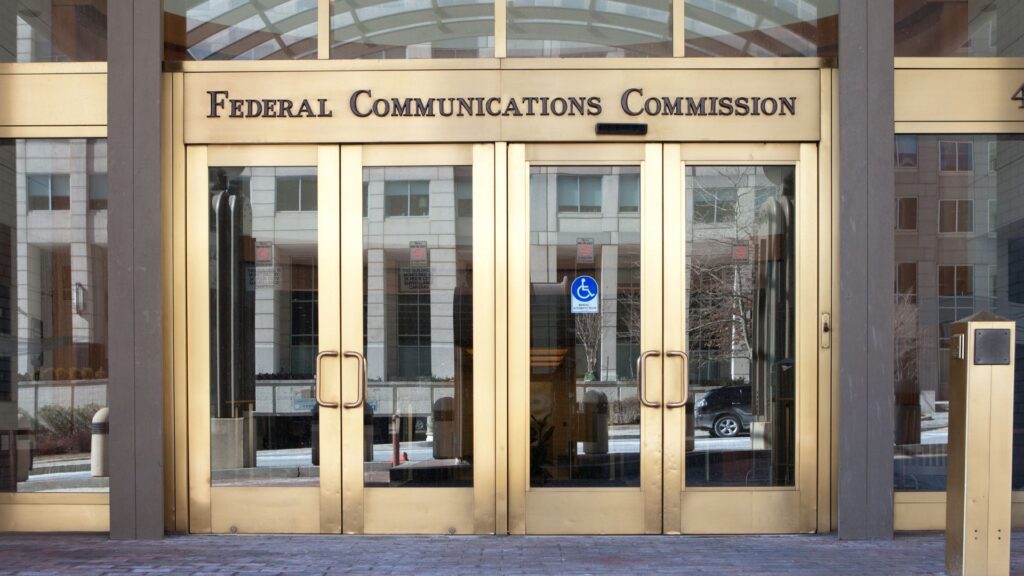
Vote Sets Repeal in Motion
The March 2024 vote marks the first formal step in unwinding a regulation that had been in effect for roughly two years. Republican Chairman Brendan Carr and Commissioner Nathan Simington voted to repeal the 2022 rule, while Democratic Commissioners Anna Gomez and Geoffrey Starks voted against the move. The partisan split on the commission mirrors broader divisions over telecommunications policy in Washington. With a Republican majority currently holding three of the five seats, the outcome of the rulemaking process appears likely to follow the same party-line pattern.
The NPRM now enters a period of public comment before the commission issues a final order. Sources familiar with the process note that such rulemakings typically take months to complete. The final order will determine whether the 2022 rule is fully repealed, replaced, or modified. What to watch next: the close of the public comment period and the timing of the commission’s final order. Both will determine the regulatory landscape for the affected industry in the months ahead.
Inside the Rulemaking Process
The Federal Communications Commission is an independent agency created by the Communications Act of 1934. Congress passed that law to merge the radio regulation duties of the Federal Radio Commission with wire communication oversight previously held by the Interstate Commerce Commission. The Telecommunications Act of 1996 later amended the agency’s mandate to ensure nationwide communication services remain available without discrimination.
The agency operates through a process called rulemaking. Legislatures pass broad statutes, and agencies then use industry or scientific expertise to create detailed regulations. This process allows the government to adapt technical standards as technology evolves. In this case, the procedural step taken in March initiates a public comment period, after which the commission will issue a final order that could fully repeal, replace, or modify the existing rule.
Agency Structure and Stakes
Five commissioners serve on the panel, appointed by the President and confirmed by the Senate. No more than three may belong to the same political party. This structure means that leadership changes often lead to the repeal or modification of previous regulations. The 2022 rule had been adopted by a 3-2 party-line vote under Democratic leadership; now a Republican majority is using the same margin to advance its repeal.
The Federal Communications Commission regulates interstate and international communications by radio, television, wire, satellite, and cable. It manages broadband access, radio frequency use, and public safety communications across the states and U.S. territories. These regulatory shifts matter because they dictate how communication infrastructure operates. Changes in rules can alter fair competition and media responsibility. Because the commission is structured with a partisan limit on its members, leadership changes often lead to the repeal or modification of previous regulations.
The partisan split on the commission underscores the broader divisions in Washington over telecommunications policy. With a Republican majority currently holding three of the five seats, the outcome of the rulemaking process appears likely to follow the same party-line pattern. What to watch next: the close of the public comment period and the timing of the commission’s final order. Both will determine the regulatory landscape for the affected industry in the months ahead.




