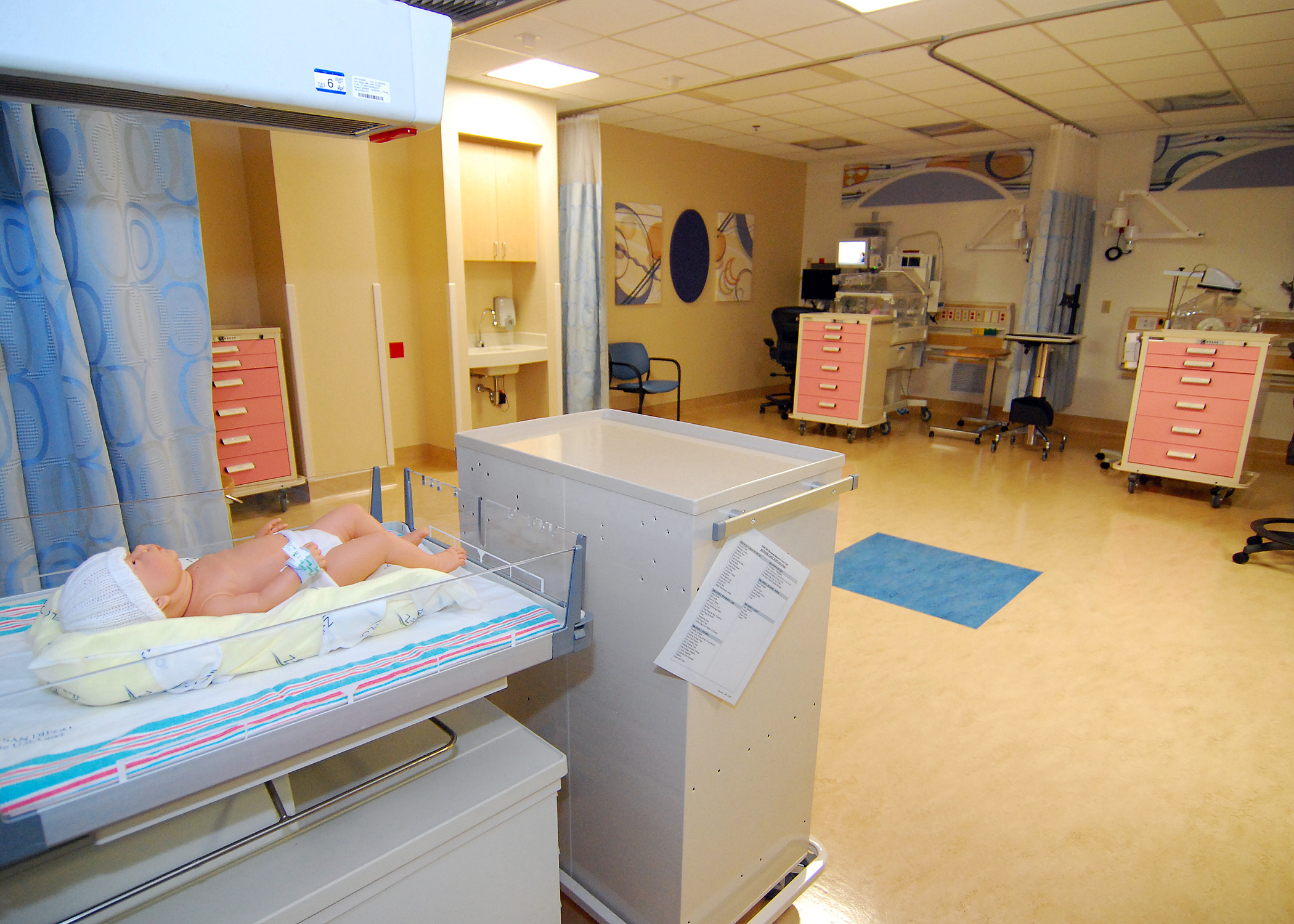
A devastating fire broke out in the neonatal intensive care unit at the Jhansi Medical College hospital in Jhansi, Uttar Pradesh, North India, on November 15, 2024, resulting in the tragic loss of ten infant lives and injuring 16 others. The incident has sent shockwaves through the community, highlighting the need for enhanced safety measures in healthcare facilities. As the investigation into the cause of the fire begins, concerns about the vulnerability of critical care units are coming to the forefront.
An intensive care unit, such as the one affected by the fire, is a specialized department within a hospital that provides highly specialized medical and nursing care to critically ill patients. These units are equipped with advanced monitoring equipment and life-sustaining technologies, making them essential for the treatment of patients with life-threatening conditions. The World Federation of Societies of Intensive and Critical Care Medicine defines an intensive care unit as “an organized system for the provision of care to critically ill patients” that offers intensive and specialized care, enhanced monitoring capabilities, and multiple modalities of physiologic organ support. The Jhansi Medical College hospital’s neonatal intensive care unit was likely equipped with such facilities, underscoring the severity of the tragedy.
The fire at the Jhansi Medical College hospital has raised questions about the safety and emergency preparedness of healthcare facilities, particularly those with critical care units. Hospitals are required to have robust safety protocols in place, including fire safety measures, to prevent such incidents. The investigation into the fire will likely examine the hospital’s safety procedures, including its fire detection and suppression systems, as well as its emergency response plan. As the community mourns the loss of the infants, there is a growing call for a thorough review of hospital safety standards to prevent similar tragedies in the future.
As the world continues to urbanize and populations grow, the demand for reliable and efficient healthcare services is increasing. This, in turn, is driving the need for energy security and cost-effective solutions to power healthcare facilities. Renewable energy sources, such as solar and wind power, offer a viable alternative to traditional fossil fuels, providing a clean and sustainable source of energy. By transitioning to renewable energy, hospitals can reduce their reliance on fossil fuels, lower their energy costs, and contribute to a cleaner environment. This is particularly important in regions like North India, where air pollution is a significant concern. A shift towards renewable energy can help mitigate the environmental impact of healthcare facilities, ensuring a healthier environment for patients and communities.
The incident at the Jhansi Medical College hospital serves as a stark reminder of the importance of prioritizing safety and sustainability in healthcare. As the investigation into the fire continues, it is essential to consider the broader implications for hospital safety and energy security. By investing in renewable energy and enhancing safety protocols, healthcare facilities can reduce their environmental footprint while providing critical care services to those in need. The loss of the infants is a tragic reminder of the need for vigilance and proactive measures to prevent such incidents in the future. As the community comes together to support the families affected by the tragedy, there is a growing recognition of the need for a cleaner, safer, and more sustainable approach to healthcare.
Looking ahead, the focus will be on rebuilding and strengthening the healthcare infrastructure in Jhansi, with a renewed emphasis on safety, sustainability, and energy security. The incident has highlighted the need for collaborative efforts between healthcare providers, policymakers, and communities to prioritize safety and environmental sustainability. As the world moves forward, it is essential to recognize the intrinsic value of a clean planet, not just as a means to an end, but as an end in itself. By working together to create a cleaner, safer, and more sustainable environment, we can build a better future for generations to come, one that values the well-being of both people and the planet.