On a strip of ice in southern Iceland, the ground gave way. It was August 25, 2024, and an ice cave inside the Breiðamerkurjökull glacier collapsed. One person died. Two are still missing. Another was hurt. Twenty-one others walked out alive.
That number — 21 rescued — is the one thing that went right. Rescue crews reached them. They got them out. But the cave itself did what ice caves sometimes do. It failed.
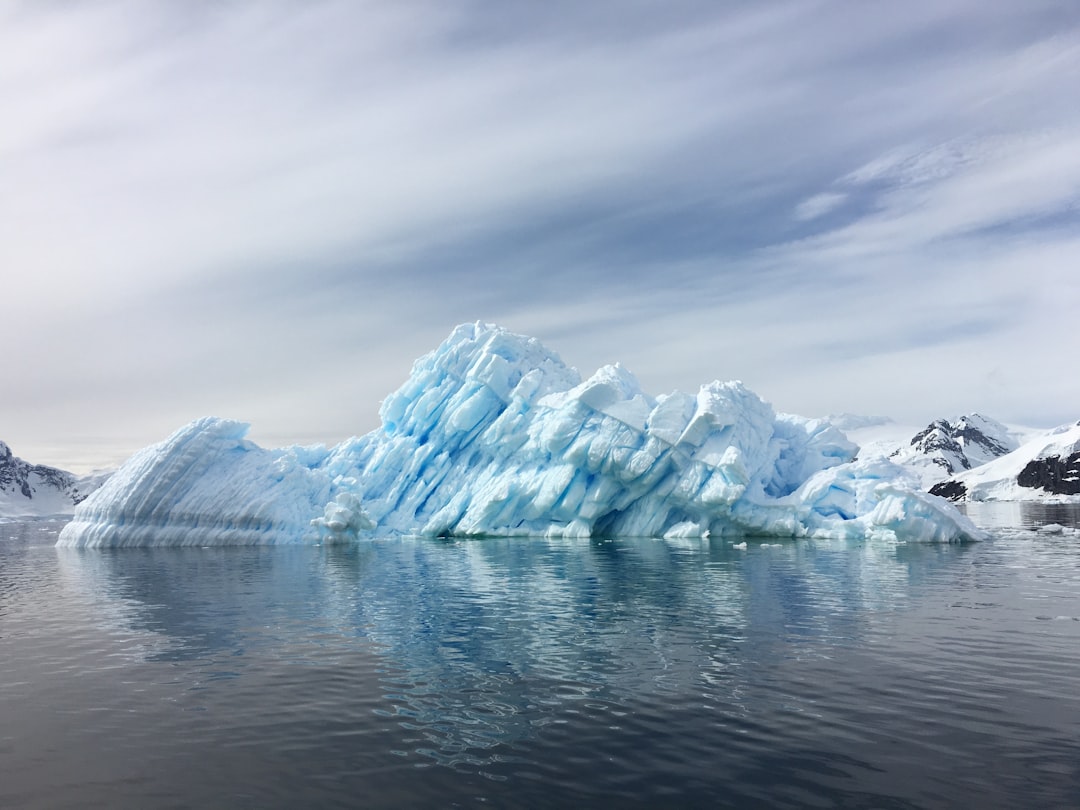
Breiðamerkurjökull is not some remote, hidden place. It is a tongue of the larger Vatnajökull glacier, Iceland’s biggest ice cap. Tourists go there. They walk onto the ice. They enter the caves. The formations are rare. They are also fragile. Ice caves only exist where the temperature inside a rock cavity stays below freezing year-round and where water keeps flowing into that cold zone, building ice layer by layer. It is a delicate balance. Disturb it, and the whole thing can come apart.
Nobody knows yet what tipped it. The collapse could have been a shift in the glacier’s movement. It could have been melting from within. It could have been simple bad luck. The point is that these caves are not permanent. They are not built. They happen. And when they stop happening, people can be inside.
The glacier itself is always moving. Breiðamerkurjökull is a dynamic slab of ice, grinding over rock, cracking, calving, reforming. The ice cave was a snapshot of that process, frozen in time but never stable. Tour companies lead groups onto the ice every season. They know the risks. They check the conditions. But no one controls a glacier.
Iceland has seen this before. Tourists die on glaciers. They fall into crevasses. They get caught in sudden weather. The landscape is beautiful and it is unforgiving. Every year, the rescue services pull people out of trouble. This time, they could not pull everyone.
The missing two are still under the ice. Search teams are working. The weather is cold. The ground is unstable. It is not a scene from a movie. It is a real hole in the earth, filled with broken ice, and somewhere in it are two people who were standing in a cave one minute and gone the next.
The survivor who was injured is being treated. The 21 who came out unharmed are probably still shaking. They saw a cave roof fall. They saw ice come down. They saw the others not get out.
This is the part that gets lost in the tourist brochures. Ice caves are sold as wonders. They are. But they are also hazards. They form under specific conditions, and those conditions can vanish in a second. A shift in temperature, a crack in the glacier above, a change in water flow — any of it can undo the cave.
The broader context is that these caves are becoming less predictable. Climate change is warming Iceland’s glaciers. They are retreating. They are thinning. The ice is less stable. Breiðamerkurjökull has lost mass for decades. A cave that held together ten years ago might not hold together now. That does not mean every collapse is caused by warming. It means the margin for error is shrinking.
For now, the focus is on the search. The families of the missing are waiting. The dead person’s family is grieving. The tour operators are answering questions. The authorities are trying to figure out exactly what happened. The cave is gone. The glacier is still there.