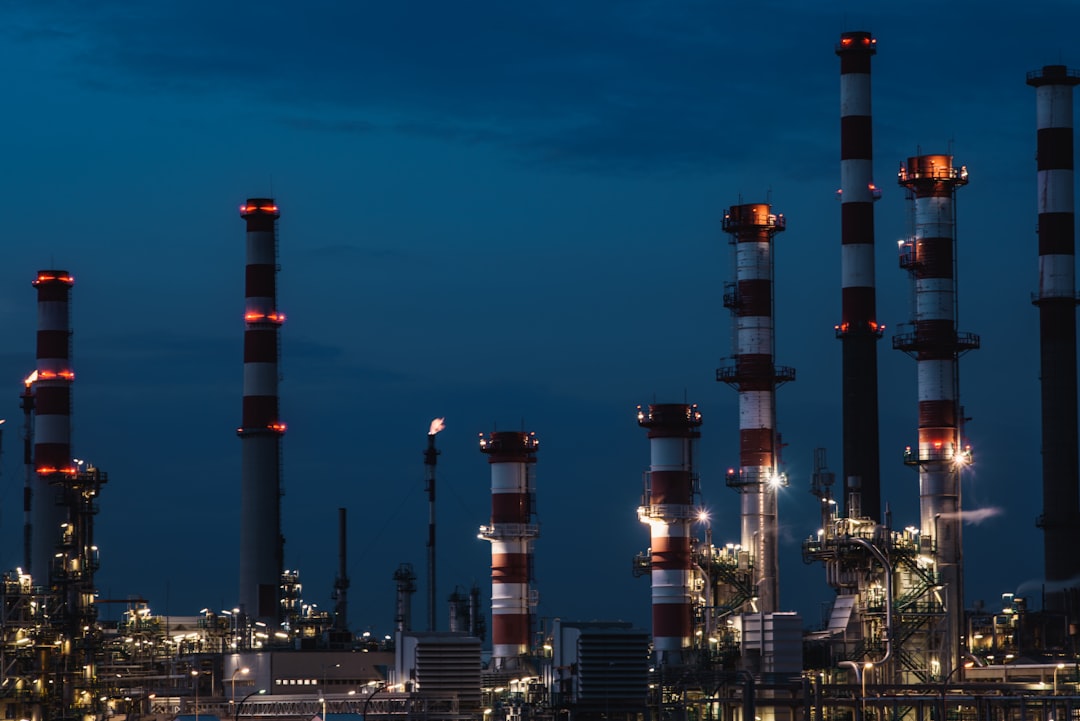
The death toll from the blast at the pharmaceutical plant in Anakapalli now stands at seventeen. Forty-one others are injured. Many of those survivors face a grueling, uncertain recovery from severe chemical burns. That is the immediate, human cost of the explosion on August 21, 2024. The long-term consequences, for the workers, the company, and the surrounding environment, are only beginning to surface.
Chemical burns are not like thermal burns from a fire. They do not require heat to start. Contact with a corrosive substance—a strong acid, a base, an oxidizer—can cause immediate, deep tissue damage. The report on the incident notes that the types of products capable of causing such burns are varied. They include solvents, alkylants, and biological toxins. The facility, given its pharmaceutical operations, almost certainly held a range of these hazardous chemicals on site. The exact substances involved remain unknown. What is known is that the injuries sustained are severe, often requiring specialized, long-term treatment. Many of the 41 injured workers may never return to full health.
The investigation into the cause is just beginning. The focus will inevitably fall on the handling and storage of those chemicals. Safety protocols are now under scrutiny. The question is not just what went wrong, but what systems were in place to prevent it. The explosion itself suggests a catastrophic failure somewhere in that chain. Proper training, adequate equipment, and enforceable procedures are the only barriers between routine work and disaster. This tragedy suggests those barriers were not strong enough.
The fallout extends beyond the factory gates. An explosion of this scale at a chemical facility raises immediate environmental concerns. What was released into the air? What seeped into the ground or water? The report flags the potential long-term effects on human health and the environment. Those are not abstract risks. For the surrounding community in Anakapalli, the air they breathe and the water they drink may now carry a hidden cost. Testing and monitoring will be needed, likely for years.
For the pharmaceutical industry in India, this event is a stark data point. The sector handles dangerous substances daily. This explosion is a reminder that the margin for error is zero. Regulatory oversight, corporate responsibility, and worker safety are not optional. They are the only thing standing between a normal workday and a mass casualty event. The investigation will reveal the specific failures at this plant. But the broader question remains: how many other facilities operate with similar gaps in their safety net?
The dead are seventeen workers. The injured are 41 more. Their families now live with the consequences. The company faces investigations, potential legal action, and a shattered reputation. The community faces an uncertain environmental future. The industry faces a moment of reckoning. The explosion in Anakapalli is not an isolated event. It is a signal. What follows depends on whether anyone chooses to listen.