Hurricane Beryl was already a rare thing before it ever reached Texas. Formed in late June, it became only the second Atlantic hurricane on record to reach Category 5 status in the month of July. The first was Emily, in 2005. That alone should have signaled trouble.
Beryl tore through the Caribbean, hit the Yucatán Peninsula, then turned toward the Gulf Coast of the United States. When it made landfall in Texas, it brought powerful winds and heavy rainfall. The Greater Houston area, dense with people and critical infrastructure, took the worst of it. The storm left a trail of destruction.
But the storm itself was only the beginning.
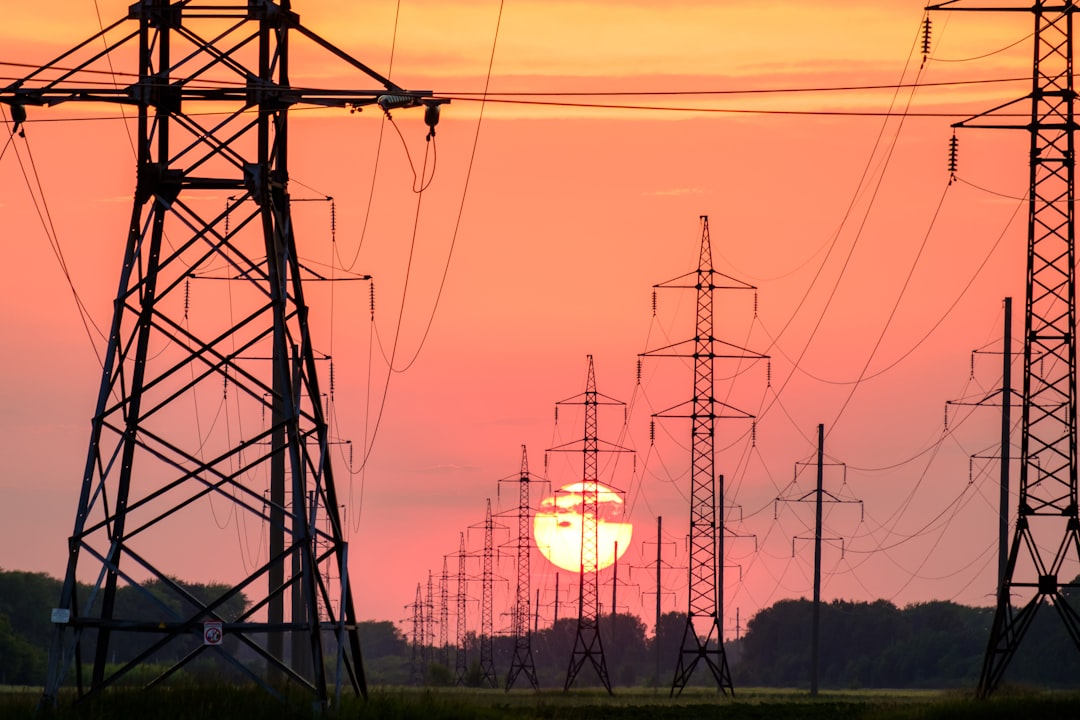
What followed was a heat wave. Power outages stretched on. Without air conditioning, without fans, without refrigeration, the heat turned lethal. The official death toll in Texas now stands at 22 people. Several of those fatalities, concentrated in the Greater Houston area, are attributed directly to heat illness caused by the prolonged blackouts.
This is the part of a hurricane that does not get the same attention as wind speeds or storm surge. The aftermath. The slow, grinding danger that arrives after the clouds clear. A Category 5 storm can destroy a building in minutes. A heat wave, combined with no electricity, can kill over days. It is a slower disaster, but no less final.
The storm’s exceptional intensity has prompted questions about what made it so strong, and whether conditions are aligning to produce more like it. Beryl formed in late June, at a time of year when the Atlantic is not typically primed for such rapid intensification. That it reached Category 5 status anyway suggests something about the environment it moved through. Warm water. Low wind shear. The kind of conditions that scientists have warned are becoming more common.
For now, the focus in Texas is on recovery. But recovery is not a quick thing. Restoring power to millions of people in a sprawling metro area, during a heat wave, after a hurricane, is a logistical nightmare. The road to normalcy will be long. The infrastructure that was supposed to keep people safe proved vulnerable. The emergency response systems were tested and found wanting in at least one critical respect: they could not keep the lights on long enough to prevent people from dying of heat.
That is the hard fact at the center of this event. A hurricane hit. People died from the storm itself. But more died afterward, from the absence of something as basic as electricity in a heat wave. The combination of extreme weather events — a rare July Category 5 hurricane followed by a heat wave — created a compound disaster. Each hazard alone would have been serious. Together, they were deadly.
The vulnerability of communities to these overlapping threats is now a pressing concern. The storm is gone. The heat is not. And 22 people in Texas are dead.