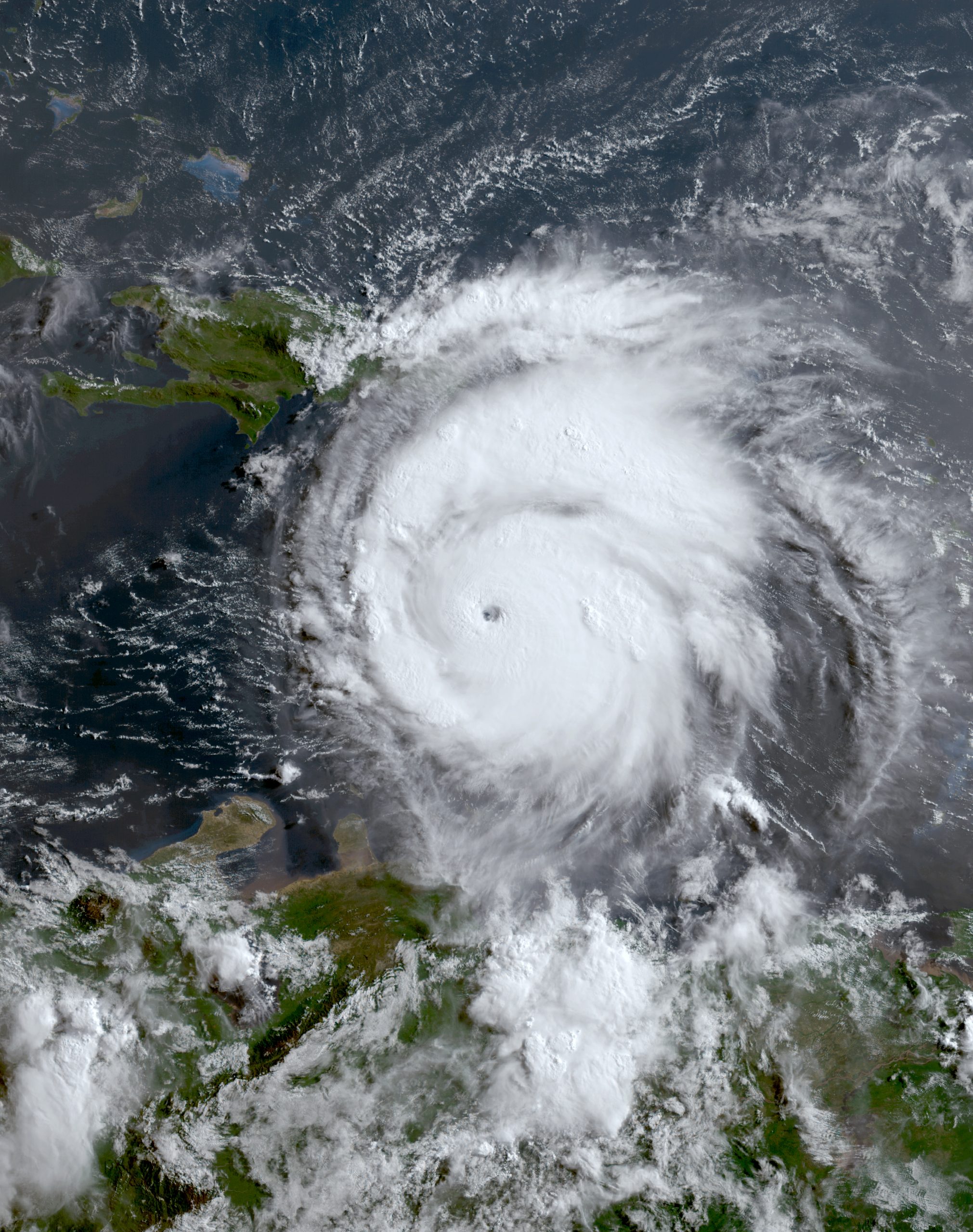
The death toll from Hurricane Beryl in Texas has risen to 22, with several fatalities in the Greater Houston area attributed to heat illness caused by prolonged power outages during an ongoing heat wave. This devastating development underscores the severe impact of the hurricane, which has left a trail of destruction in its wake. As the situation continues to unfold, concerns about the vulnerability of communities to extreme weather events are coming to the forefront.
Hurricane Beryl, which formed in late June, has been characterized as an extremely rare and destructive tropical cyclone. The storm’s trajectory took it through parts of the Caribbean, the Yucatán Peninsula, and the Gulf Coast of the United States, causing widespread damage and disruption. Notably, Beryl reached Category 5 hurricane status on the Saffir–Simpson scale, a distinction shared by only one other Atlantic hurricane in July, Emily in 2005. The storm’s exceptional intensity has raised questions about the factors contributing to its development and the potential for similar events in the future.
Impact on Texas
The effects of Hurricane Beryl have been particularly severe in Texas, where the storm made landfall and brought with it powerful winds and heavy rainfall. The Greater Houston area, with its dense population and critical infrastructure, has been hit hard, with several deaths attributed to heat illness caused by power outages. The prolonged disruption to essential services has exacerbated the challenges faced by affected communities, highlighting the need for robust emergency response systems and resilient infrastructure. As the recovery efforts get underway, it is clear that the road to rebuilding and restoring normalcy will be long and arduous.
The extreme weather conditions associated with Hurricane Beryl have also underscored the importance of energy security and reliability. The power outages experienced in Texas have not only caused immediate hardship but also raised concerns about the ability of the energy grid to withstand extreme weather events. As the demand for energy continues to grow, the need for diversified and resilient energy sources, including renewables, will become increasingly critical. By investing in renewable energy, communities can reduce their reliance on fossil fuels and enhance their energy security, which is essential for maintaining critical infrastructure and supporting economic development.
As the people of Texas and other affected areas begin the process of recovery and rebuilding, there is a growing recognition of the need for sustainable and environmentally conscious approaches to development. The devastating impact of Hurricane Beryl serves as a stark reminder of the importance of preserving and protecting the natural environment. By prioritizing environmental stewardship and promoting the use of clean energy sources, we can help to create more resilient communities and reduce the risk of catastrophic events like Hurricane Beryl. This requires a collective effort, involving governments, businesses, and individuals, to adopt sustainable practices and invest in renewable energy, ultimately contributing to a cleaner and more secure planet.
Looking ahead, the aftermath of Hurricane Beryl presents an opportunity for communities to rebuild and revitalize their infrastructure, with a focus on sustainability and resilience. By leveraging advances in renewable energy and green technologies, it is possible to create more efficient, reliable, and environmentally friendly systems that can withstand the challenges posed by extreme weather events. As the world continues to grapple with the complexities of environmental conservation and energy security, the experience of Hurricane Beryl serves as a powerful reminder of the need for collective action and a commitment to preserving the planet for future generations. With a renewed focus on sustainability and resilience, we can work towards creating a cleaner, more secure, and more prosperous world for all.