
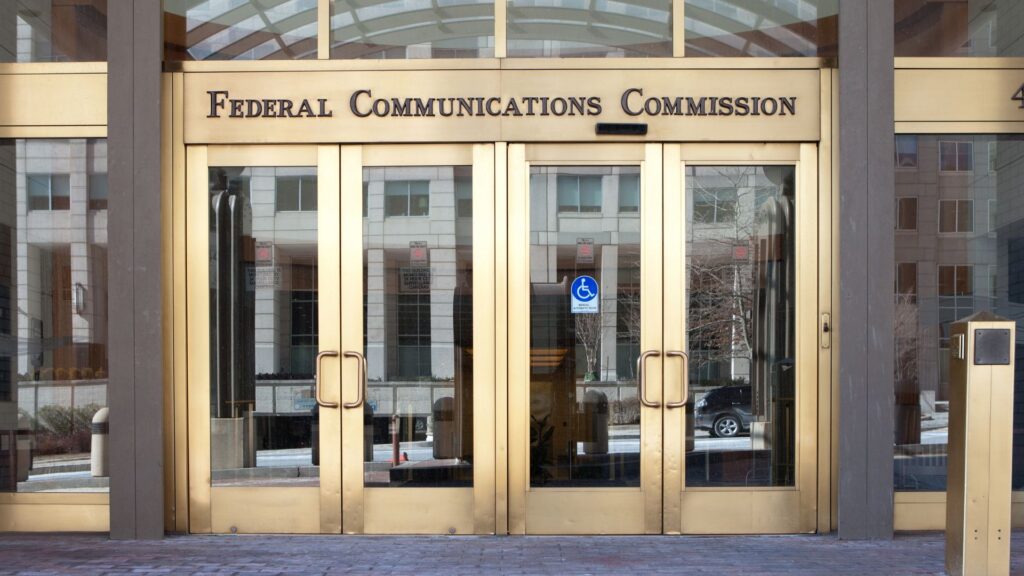
WASHINGTON, July 6 — The repeal of a Federal Communications Commission rule on broadband pricing transparency is drawing sharp criticism from consumer advocates, who warn the move will hit American households where it hurts most: the monthly bill. A 2024 survey by the Pew Research Center found that 67% of U.S. adults say hidden fees are a major annoyance.
The FCC’s previous rule was designed to address that precise irritation, forcing internet service providers to lay out the full cost of a broadband plan — taxes, surcharges, equipment fees and all — before a customer signs up. With that rule now gone, advocates argue consumers are back to navigating a fog of fine print and surprise charges.
The technical reality is straightforward: broadband pricing in the U.S. has long been a game of bait-and-switch. A headline figure of $49.99 a month can quickly become $80 or more once the modem rental, network enhancement fee, and early termination penalty are added. The FCC rule, known as the Broadband Consumer Label, was meant to mimic the nutrition labels on food — a standardised, one-page summary of what a service actually costs.
Its repeal removes that clarity.
Rural and low-income communities hit hardest
The impact will not be evenly distributed. Consumer advocates argue that rural and low-income communities, where broadband is already expensive, stand to lose the most. For families already stretching a household budget, a $50 monthly surcharge — the kind of charge that can appear without warning on a bill — is not an annoyance; it is a financial shock that can tip a budget into the red.
Small businesses, which rely on broadband for everything from payment processing to cloud-based operations, face unpredictable costs that make planning difficult. The detail that matters here is that these businesses often lack the negotiating power of larger enterprises and are left to accept whatever terms an ISP offers, hidden fees included.
Stories of families surprised by such charges are not hard to find. The repeal may reverse whatever progress the FCC rule had made in curbing these practices.
Transparent pricing and consumer choice
Under the hood of this regulatory debate is a simple economic principle: transparent pricing helps consumers make informed choices. When a customer can see the true cost of one broadband plan versus another, they can shop around, avoid debt, and put pressure on providers to compete on price rather than on obfuscation. Remove that transparency, and the incentive for ISPs to keep prices clear disappears.
Consumer advocates have been vocal on this point, arguing that the repeal does not just remove a piece of paperwork — it removes a tool that families and small businesses use to protect themselves. The FCC’s previous rule aimed to address these issues, but its repeal may reverse progress.
As ever with telecom regulation, the devil is in the detail. The question now is whether the market will police itself, or whether Congress will need to step in with legislation that restores the transparency the FCC rule once provided. For the millions of American households and small businesses staring down unpredictable broadband bills, the answer cannot come soon enough.
{“@context”: “https://schema.org”, “@type”: “NewsArticle”, “headline”: “Hidden ISP Fees Cost American Families and Small Businesses”, “description”: “WASHINGTON, July 6 — The repeal of a Federal Communications Commission rule on broadband pricing transparency is drawing sharp criticism from consumer advocates, who warn…”, “datePublished”: “2026-07-06T09:30:00+00:00”, “author”: {“@type”: “Person”, “name”: “Sebastian Smith”}, “publisher”: {“@type”: “Organization”, “name”: “InfoPulse Today”, “url”: “https://newsfeed.infopulsetoday.com/”}}




