
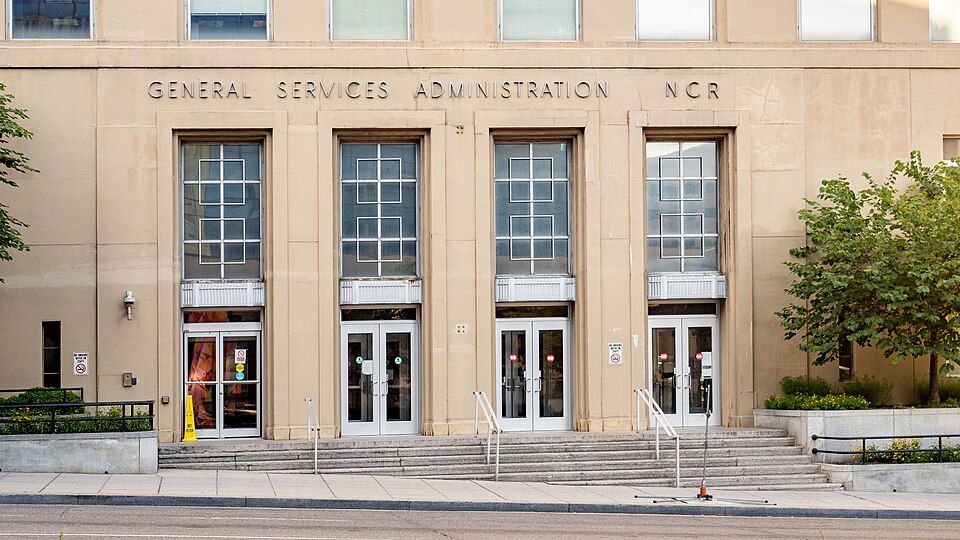
Washington, D.C., September 2 The U.S. Government Accountability Office (GAO) has raised concerns about the General Services Administration’s (GSA) management of federal agencies’ shift from outdated telecommunications contracts to a new system. The report highlights a significant delay in the process, which has left agencies grappling with unexpected costs and operational challenges. The GSA was supposed to complete the transition by September 2022, but it has taken more than three years to meet that goal.
As a result, agencies have had to keep their old contracts active until at least May 2026 to avoid service interruptions. This delay has had a clear financial impact.
For instance, the Networx contract, one of the largest legacy contracts, saw a 206 percent increase in costs between February and March 2025 alone. Some agencies fared even worse. The Department of the Interior saw its costs jump by 365 percent during the same period, while the Department of Commerce faced a 226 percent increase.
These figures, though alarming, are not isolated. The six agencies reviewed by the GAO—all of which still had significant transition work left as of September 2024—collectively experienced a sharp rise in expenses.
Root Causes of the Delays
GAO identified 21 factors that contributed to the delays, with the most common being issues with the performance of the EIS vendor, the ongoing effects of the COVID-19 pandemic, and the complexity of legacy connections. Four of the six agencies pointed to supply chain disruptions and staffing challenges linked to the pandemic. However, only three of the six agencies managed to address more than half of the factors that caused the delays.
One of the more troubling findings is that GSA and the agencies were inconsistent in identifying and mitigating risks related to the transition. In fact, two of the agencies did not even specify the final 2026 deadline for their services, making it difficult to assess the full impact of the delays.
Uncertainty About Service Disruptions
GSA currently does not have a clear picture of whether any of the selected agencies experienced service disruptions during the transition. This is because the GSA is not notified when a replacement service is in place before the old one is disconnected. Without this information, it’s challenging to determine the full scope of the problem and how effectively agencies have mitigated the risks.
GAO has recommended that GSA take steps to determine whether the selected agencies experienced service disruptions and assess the effectiveness of mitigation efforts. GSA has agreed and is working on a plan to address these concerns.
Looking Ahead
While the GSA has begun planning for the next phase of the EIS program, the report highlights the need for greater transparency and accountability. As the deadline for the transition approaches, the focus will be on whether agencies can now move forward without repeating the same mistakes. The outcome of this process will be closely watched, as it has direct implications for the efficiency and cost-effectiveness of federal operations.




