
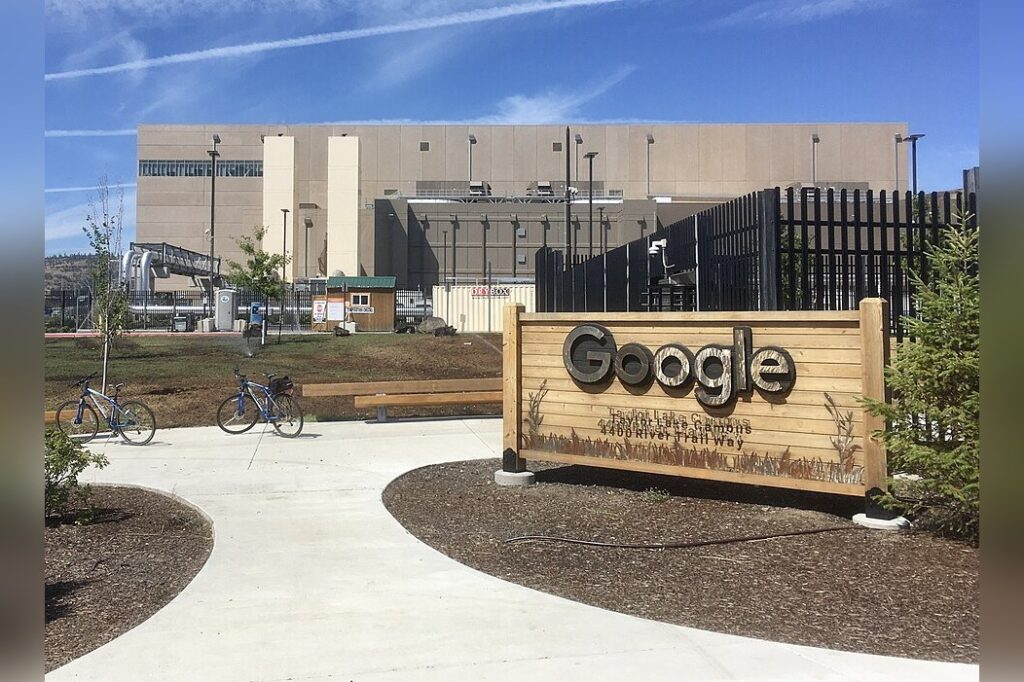
NEW YORK, September 2 — Every time a grandmother video-calls her grandchildren, a nurse pulls up patient records on a tablet, or a family streams dinner-table entertainment, they are touching something most will never see: the humming, warehouse-sized buildings where America’s digital life actually lives. Data centers are that hidden backbone, and artificial intelligence is now pushing their growth faster than ever. In a Fox News report published August 27, Brittany Kaiser, chief executive of Alpha Compute, put the everyday reality in plain terms.
“Anytime you’re touching technology and using everything from social media to your email, all of that information, all of the data is being processed in a data center,” she told Fox News Digital. Kaiser noted that AI demands far more from these facilities than the routine traffic of emails and social posts — it processes “way more data,” she said, stretching infrastructure built for simpler tasks into something far more ambitious.
The report, written by Amanda Macias, walks through how these facilities touch ordinary routines. Social media platforms like Instagram and TikTok, email through Gmail, banking apps that let a parent transfer lunch money or check a balance — all of it flows through servers stacked in rows that never sleep.
What Americans Actually Use
Macias listed ten everyday services data centers power, and the breadth is striking. Beyond social feeds and inboxes, these facilities keep phone services running, handle online shopping carts, and manage the streaming queues families queue up after work. A video segment accompanying the report opens with this plain truth: “Americans have relied on data centers for decades — most don’t realize how much of their lives run through them.” In that segment, Kaiser walks viewers through the invisible choreography.
Every scroll, every search, every streamed episode — a data center somewhere is translating that gesture into light and electricity. The construction boom is unmistakable.
One southern state has recently claimed the top position in what the report calls one of the world’s fastest-growing industries, a sign of how aggressively the sector is expanding to meet demand.
Looking Ahead
The race to build more facilities carries real questions for communities where they land — about power grids, water use for cooling, and the workers who will staff them. What is clear is that the gap between using technology and understanding its physical footprint is closing, slowly, as these buildings become impossible to ignore. The next phase will test whether infrastructure can keep pace with the appetites it has enabled.
For now, the servers keep humming, and Americans keep tapping screens, mostly unaware of the enormous rooms making it all possible.




