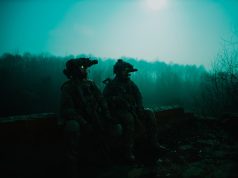
The Colombian government’s writ is being tested in the mountains of Cauca. A FARC dissident attack on a police station there has left one officer dead and four wounded, and the military has been dispatched to contain the fallout. The assault, carried out on September 14, 2025, is the latest signal that rogue guerrilla factions still hold the power to bloody the state’s forces at will.
The dead officer was a member of the National Police, the country’s sole civilian police force. That force is charged with protecting the nation, enforcing the law, and maintaining public order. It is also controlled by the Ministry of Defense. After this attack, that ministry will face sharp questions about how it plans to stop the bleeding. The government’s ability to project authority across its own territory is on the line.
Cauca is not a random location. It is a long-standing stronghold for guerrilla activity and a primary hub for coca cultivation, the plant used to make cocaine. Rugged terrain, a porous border with Ecuador, and a lucrative illicit economy make the department a natural refuge for armed groups. FARC dissidents—those who rejected the 2016 peace deal—have exploited these conditions for years. They tax coca farmers, run drug shipments, and attack security forces. The police station was a symbol of state presence in that landscape. Now it is a crime scene.
The attack did not happen in a vacuum. It comes as the Colombian government faces mounting pressure to demonstrate it can protect its citizens and hold the country together. Each successful assault by dissidents chips away at that claim. The four wounded officers will recover or they will not. The dead officer will not. But the broader wound is to the state’s credibility.
What is at stake is control. Not just of territory, but of the basic premise that the government can enforce its laws in its own borders. If police stations can be hit with impunity in Cauca, other regions will take notice. Armed groups already compete for influence in the countryside. A pattern of successful attacks invites more. The military deployment is a response, but a military response alone does not erase the underlying conditions that make Cauca a safe haven for violence.
Poverty is part of that equation. The report notes that poverty, along with limited state services and the presence of illicit economies, has contributed to the persistence of instability in the region. Police and soldiers can clear a town, but they cannot fix the economic vacuum that makes coca and extortion attractive alternatives. The dissidents know this. They operate where the state is weak, and they attack where the state is visible.
The government now has to show it can do more than react. It must prevent the next attack from happening at all. That means intelligence, patrols, and a strategy that addresses the root drivers of violence in Cauca. The Ministry of Defense will face intense scrutiny in the coming days. The families of the dead and wounded officers will be watching. So will the dissidents.
One officer is dead. Four are injured. The military is moving in. But the question that lingers is whether the Colombian state can hold the ground it has already lost in places like Cauca, or whether this attack is just another step in a slow, grinding erosion of public order.