Europe’s parched summer: Drought data reveals a continent under pressure
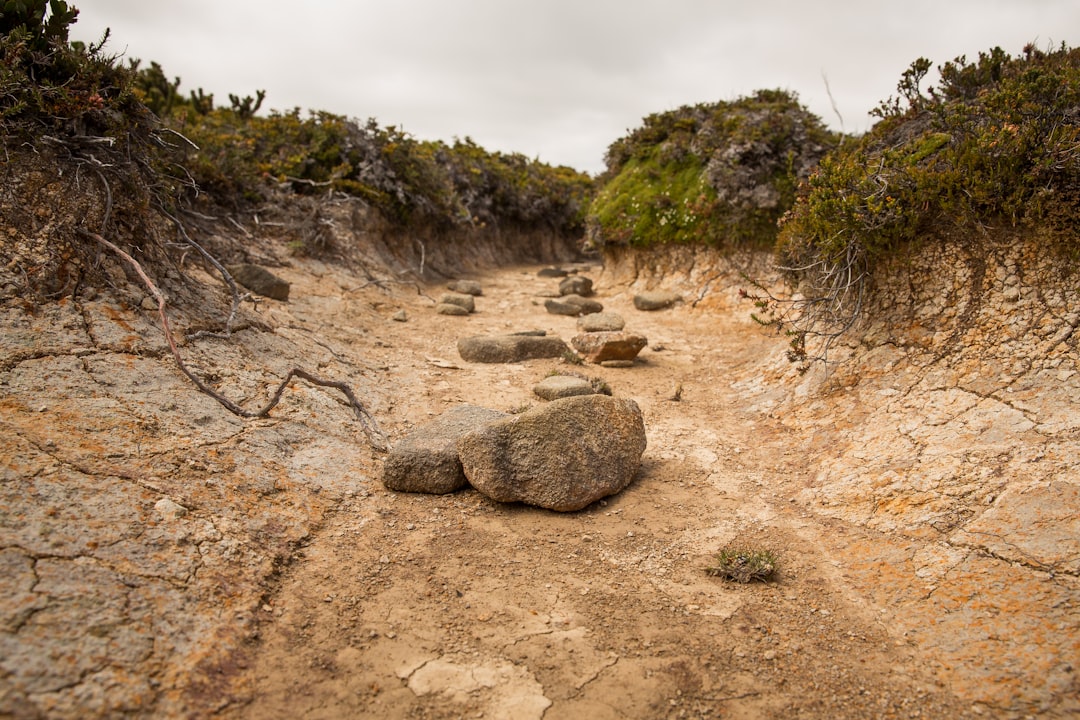
Last August, more than half of Europe was dry. The Copernicus Climate Change Service put a number on it: 53 percent of the continent experienced drought conditions. That is the highest share since the service began keeping records in 2012.
The number lands at a time when Europe is still reckoning with the heatwaves and wildfires of previous summers. Two years ago, rivers like the Rhine, the Po, and the Danube ran so low they disrupted shipping, agriculture, and power generation. This August’s data suggests the pattern is not easing.
Copernicus is not a single weather station or a lone academic study. It is a programme of the European Commission, built to feed reliable climate information to governments, researchers, and the public. The service it runs — the Copernicus Climate Change Service — is implemented by the European Centre for Medium-Range Weather Forecasts, or ECMWF. That centre knows something about forecasting. It handles medium-range weather predictions, which means its climate reports carry weight.
Dr. Carlo Buontempo directs the Climate Change Service. Dr. Jean-Noël Thépaut runs the ECMWF. Their shared goal, as Thépaut put it, is “to provide the best possible information to support decision-making and policy development.” The August drought report is a direct product of that ambition.
Why 2012? That is when Copernicus started standardised record-keeping for drought conditions across Europe. Before that, data was patchier, harder to compare. Twelve years of records is not a long climate dataset — scientists think in decades and centuries — but it is long enough to show a clear upward trend. Each year that breaks the previous record is another piece of evidence that the baseline is shifting.
The report itself is a tool. It is meant for policymakers drafting adaptation plans. It is meant for researchers modelling future scenarios. It is meant for anyone trying to understand what a warming planet looks like at the regional level. The Copernicus Programme provides forecasts on seasonal timescales and projections decades ahead. That long view is what makes the data useful beyond a single headline.
August’s 53 percent figure covers the entire European landmass. It does not distinguish between southern Europe, where drought is a recurring threat, and northern Europe, where it is rarer. The report treats the continent as a whole, which means the true picture is more complicated. Some regions may have been far worse off. Others may have been barely touched. The single number is a starting point, not a conclusion.
Drought is not just about dry soil. It affects river levels, groundwater reserves, crop yields, energy production, and wildfire risk. When more than half of a continent is affected simultaneously, the consequences compound. A drought in Spain is one thing. A drought stretching from Portugal to Poland is another.
The European Union has built the Copernicus Programme as a pillar of its climate strategy. The idea is that good data leads to good policy. Without it, governments are guessing. With it, they can target investments in water infrastructure, change agricultural practices, and plan for energy shortages before they hit.
But data alone does not stop a drought. It does not refill reservoirs or cool a heatwave. It tells you where you are. It does not get you where you need to be. That is the hard part, and it falls to the policymakers who read these reports.
August 2023 is now the benchmark. Every future August will be measured against it. If next year’s number is higher, the trend is confirmed. If it is lower, it could be a reprieve or a fluctuation. Either way, the record stands.