A dramatic and false report of a catastrophic failure at the Walters Dam in Tennessee sent shockwaves through the community on September 27, 2024, prompting Cocke County Mayor Rob Mathis to order the immediate evacuation of parts of the nearby city of Newport. Fortunately, the reports were later confirmed to be false, and the evacuation order was likely lifted once the situation was clarified. The incident highlights the importance of verifying information before taking action, especially in situations where public safety is at risk.
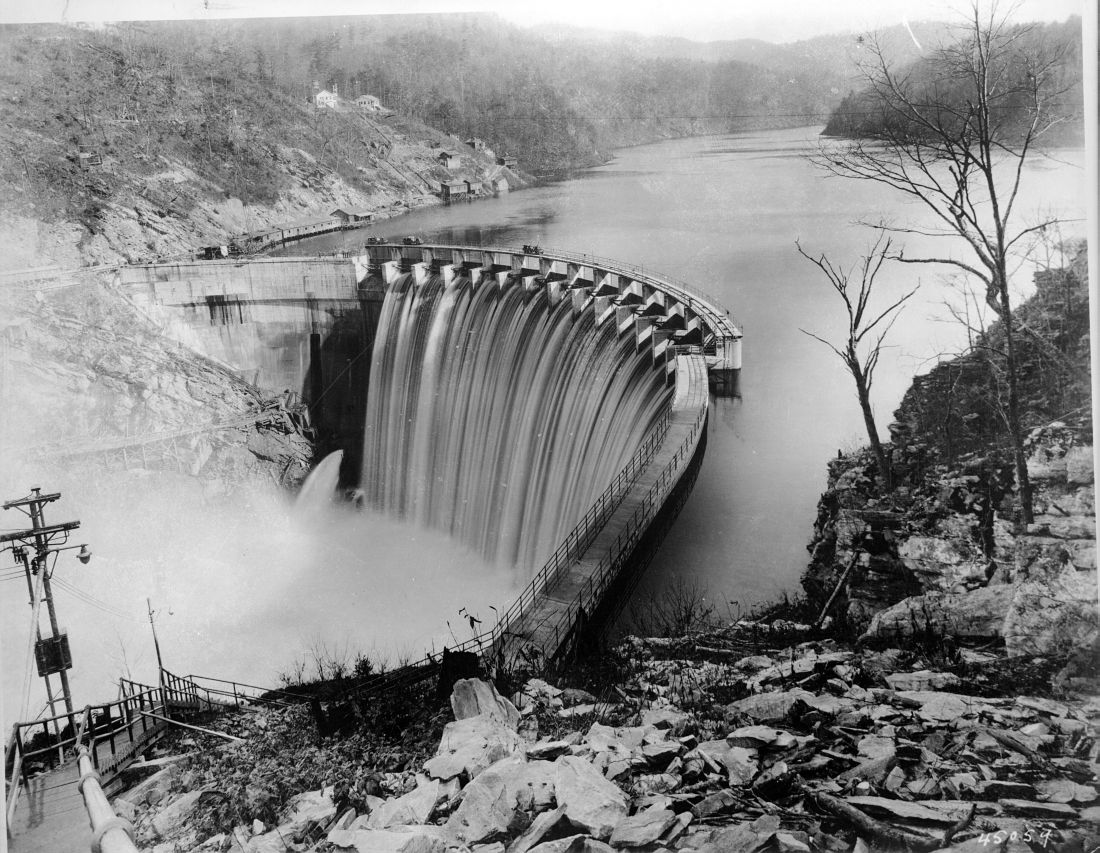
Located in the Great Smoky Mountains of western North Carolina, the Walters Dam, also known locally as the Waterville Dam, is a significant hydroelectric dam that impounds the Pigeon River. The concrete arch dam stands 180 ft high and 800 ft long, and its construction began in 1927, completed in 1930 by the Phoenix Electric Co., an affiliate of Carolina Power & Light. The dam’s powerplant is situated 6.2 miles away, connected by a tunnel that stretches north from the dam, near the state line. This impressive infrastructure has been generating renewable energy for nearly a century, contributing to the region’s energy security and cost stability.
The community of Waterville was established by the Carolina Power and Light Company during the construction of the dam, showcasing the impact of such large-scale projects on local development. The creation of Waterville not only provided housing for the workers involved in the dam’s construction but also laid the foundation for a thriving community. Today, the Walters Dam remains a vital part of the region’s energy landscape, providing a clean and reliable source of power. As the world continues to seek energy solutions that prioritize both security and cost, hydroelectric dams like Walters Dam will likely remain a crucial part of the mix.
The false report of the dam’s failure serves as a reminder of the need for accurate and timely information, especially in situations where public safety is at risk. In the event of an actual emergency, swift and informed decision-making is critical to minimizing harm and ensuring effective response efforts. The incident also underscores the importance of maintaining and upgrading critical infrastructure like the Walters Dam to prevent such disasters from occurring in the first place. Regular maintenance and inspections can help identify potential issues before they become major problems, safeguarding both the environment and the communities that depend on these structures.
Renewable Energy and the Future
As the world moves forward, the demand for clean and renewable energy sources will continue to grow. Hydroelectric dams like the Walters Dam have long been a part of the solution, offering a reliable and constant source of power. The development and integration of other renewable energy sources, such as solar and wind power, will also be essential in creating a more sustainable energy future. By investing in and expanding our renewable energy capabilities, we can work towards a cleaner planet, where energy security and cost stability are prioritized for the benefit of all. The Walters Dam, with its nearly century-long history of generating clean energy, stands as an example of what can be achieved through foresight and commitment to renewable energy.
Looking ahead, the focus should be on learning from the false report and using it as an opportunity to review and strengthen emergency response protocols. This includes ensuring that communication channels are clear and that the public is promptly informed in the event of an actual emergency. By doing so, we can build resilience and better protect our communities and the environment. As we continue to navigate the complexities of energy production and consumption, prioritizing clean and renewable sources like hydroelectric power will be vital. The Walters Dam’s enduring presence in the energy landscape serves as a reminder of the importance of preserving our natural resources and promoting a cleaner, more sustainable future for generations to come.