It took a single false report to empty parts of Newport, Tennessee, on September 27, 2024. Cocke County Mayor Rob Mathis issued an immediate evacuation order after someone said the Walters Dam had failed catastrophically. The dam hadn’t. The order was lifted once authorities sorted out the truth.
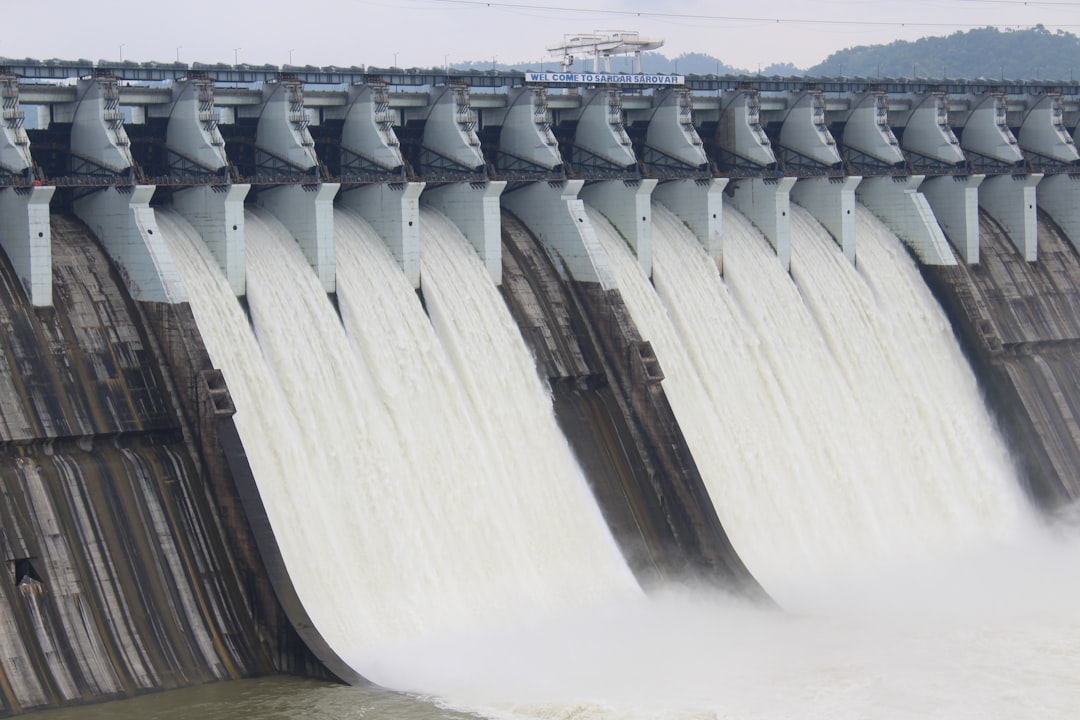
The dam in question stands 180 feet high and stretches 800 feet long. It’s a concrete arch structure. It impounds the Pigeon River. It sits in the Great Smoky Mountains of western North Carolina, not Tennessee. Locals often call it the Waterville Dam. The confusion over location alone could fuel a separate article.
Construction began in 1927. The Phoenix Electric Co., an affiliate of Carolina Power & Light, finished it in 1930. Nearly a century later, the dam is still generating power. The powerplant is not at the dam itself. It sits 6.2 miles away. A tunnel running north from the dam, near the state line, connects the two. That tunnel is a piece of engineering that most people never see.
The false alarm on September 27 raised a question that has no easy answer: how do you balance speed against accuracy when lives might be at stake? Mayor Mathis chose speed. He ordered evacuations. He could not wait for confirmation. A real failure would have sent a wall of water down the Pigeon River. Waiting would have cost lives.
The report was false. The evacuation was real. People left their homes. They drove to higher ground. They waited for word that their houses still stood. That word came. The dam held. The crisis was a mistake.
Waterville, the community that grew up around the dam, exists because of it. Carolina Power and Light built housing for workers during construction. That temporary camp became a town. The dam shaped the place from the start. It still shapes the region’s energy supply. Hydroelectric dams like this one provide renewable power. They don’t burn fuel. They don’t emit smoke. They just sit there, holding back a river, spinning turbines.
The false report did not damage the dam. It did damage trust. People who evacuated may wonder next time whether to go or to wait. Authorities will wonder whether to order or to hold. The next false report — and there will be one somewhere, sometime — will force the same impossible choice.
For now, the Walters Dam stands intact. The Pigeon River flows as it always has. The tunnel carries water to the powerplant 6.2 miles away. The turbines spin. The lights stay on. The evacuation was for nothing.
That is the best possible outcome. A false alarm is better than a real disaster. But it is not nothing. It is a community shaken. It is an afternoon of fear. It is the knowledge that a single wrong piece of information can empty a town.
The dam has been generating electricity for almost a hundred years. It will likely generate it for a hundred more. The September 27 false report will be forgotten. But the lesson — verify before you act — will have to be learned again and again. Each time it costs something. This time it cost only inconvenience. Next time might cost more.